
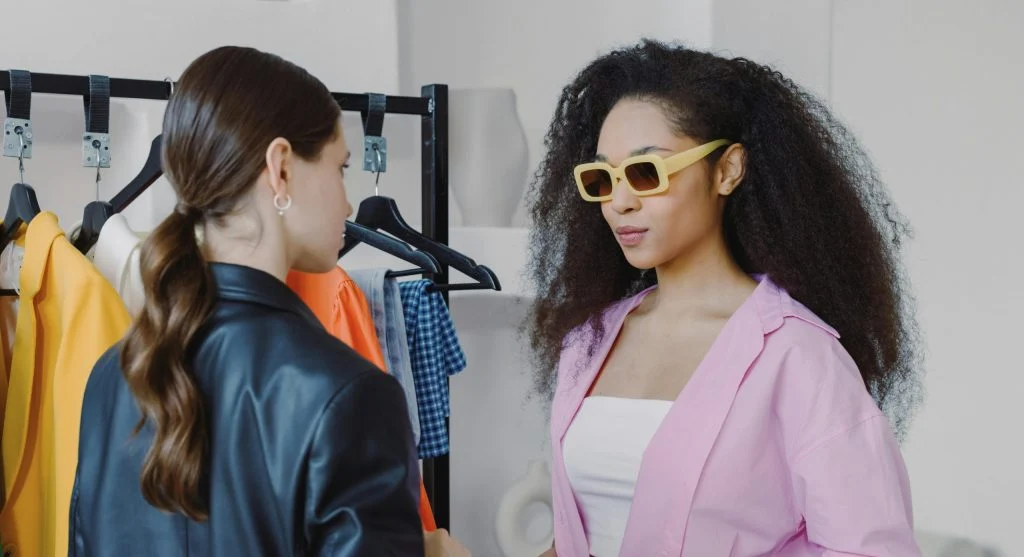
7 Style Basics Myths That Can Make Everyday Outfits Harder to Build
Style basics are often described as the easiest part of dressing, yet many readers still find it difficult to build daily outfits around them. One reason is that simple wardrobe advice often gets mixed with myths. These myths can make basics feel boring, restrictive, or less useful than they really are.
Stylists, wardrobe planners, and fashion editors often explain that basics work best when they are treated as flexible tools rather than strict rules. Many style basics myths create unnecessary pressure by suggesting that basics must look plain, expensive, or the same in every closet. In reality, the best basics are the ones that help everyday outfits feel clearer and easier to repeat.
Why style basics myths create unnecessary confusion
Style basics are supposed to make dressing simpler, but myths can turn them into another source of stress. Readers may begin to think they need a perfect closet, a certain look, or a very specific shopping list before their wardrobe can work properly. This often makes daily dressing feel more complicated than it needs to be.
Wardrobe experts often note that basics should reduce friction, not add to it. When readers understand what basics are really meant to do, outfit building usually becomes easier because the focus shifts from perfection to usefulness.
1. Myth: Style basics have to look boring
One of the most common style basics myths is the idea that simple clothing must also look dull. This often leads readers to avoid basics because they assume plain pieces cannot create interesting outfits. In reality, basics often create the foundation that allows shape, texture, color, and personal details to stand out more clearly.
Fashion editors often explain that basics do not remove style. They support it. A clean shirt, useful trousers, or a simple knit can make an outfit look stronger because the full look feels more balanced and less crowded.

Credit: Mikhail Nilov / Pexels
2. Myth: Every person needs the same wardrobe basics
Another misleading idea is that there is one universal list of basics that fits everyone. Some readers assume they need the same shirt shape, trouser type, or shoe style seen in every style guide. But wardrobe basics should match real routines, climates, comfort needs, and daily movement.
Wardrobe consultants often explain that basics should be personal in function, even when they are simple in appearance. A useful wardrobe for one person may rely on trousers and loafers, while another person may repeat dresses and flats more often. The strongest basics are the ones that support real life.
3. Myth: Style basics only matter if they are expensive
Price is often confused with value. Many readers believe basics only work well when they come from premium labels or cost more than the rest of the closet. In practice, useful basics are usually defined by fit, repeat wear, and how easily they connect with other pieces, not by price alone.
Retail analysts often note that wardrobe value comes from use over time. A reasonably priced basic worn often and styled well can offer far more value than a costly item that rarely fits into daily outfits.
4. Myth: Basics should never include color
Basics are often linked only with black, white, gray, and beige. While neutral tones are useful, this myth can make wardrobes feel more limited than necessary. Soft olive, muted blue, warm brown, dusty pink, or other calm shades can also function as basics when they mix well with the rest of the closet.
Stylists often point out that basics are defined more by how they work than by one exact color family. If a shade repeats easily and supports several outfits, it can still behave like a basic in everyday style.
5. Myth: Basics do all the work on their own
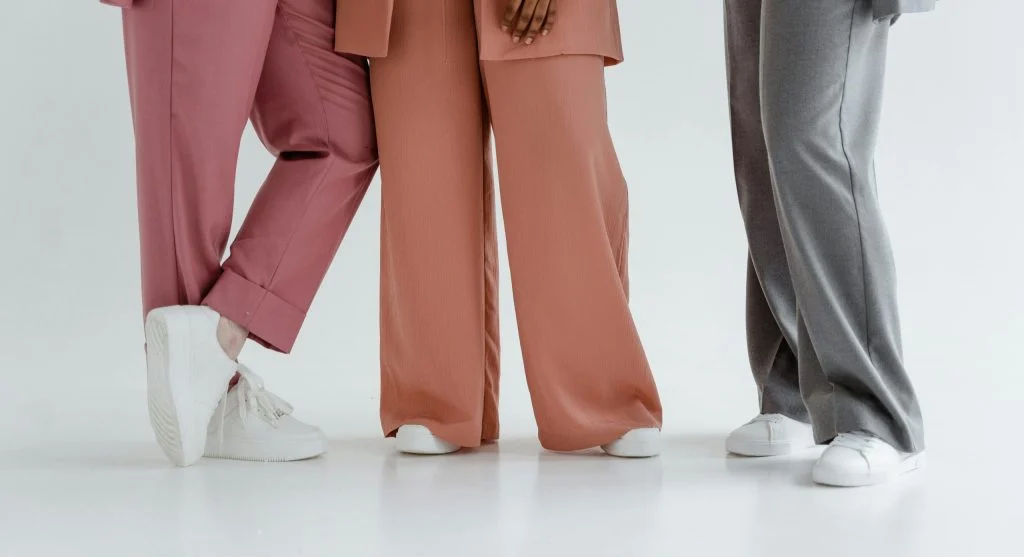
Some readers expect basics to make an outfit look polished without paying attention to fit, shoes, or proportion. This is one of the less obvious style basics myths. Basics support a strong outfit, but they still need clear styling choices around them. A plain shirt may still look awkward if the fit is off or the trousers and shoes do not balance well.
Tailoring professionals and stylists often explain that basics work best when the fit is clear and the outfit has a readable shape. Basics are powerful, but they still depend on how the full look is put together.
Credit: Tima Miroshnichenko / Pexels
6. Myth: Repeating basics means the wardrobe lacks style
Many readers think repeating basics is a sign of limited creativity. In reality, repetition is often what makes a wardrobe stronger. The same trousers may work with several tops. The same jacket may support multiple looks in one week. This repeat wear is often what makes the closet practical and dependable.
Wardrobe planners often explain that strong everyday style is rarely built from constant reinvention. It is usually built from dependable pieces that return often with small changes in color, layers, or accessories.
7. Myth: Style basics should stay exactly the same forever
Basics are meant to last longer than trends, but that does not mean they should never evolve. Cuts change, routines change, climates change, and comfort preferences shift with time. A useful basic today may not be the right basic later if it no longer fits daily life well.
Closet experts often recommend reviewing basics occasionally to make sure they still serve the reader’s current routine. A basic only stays valuable when it remains useful, wearable, and easy to build around.
What usually works better than style basics myths
Basics usually work best when readers treat them as practical tools instead of fixed rules. A strong basic fits well, repeats often, supports several outfit combinations, and suits the pace of normal life. Once these qualities become the focus, basics often feel easier to trust.
Stylists often point out that simple clothing does not need to be identical from closet to closet. It only needs to do its job well. When readers let go of style basics myths, daily outfits often become more natural, more balanced, and easier to repeat.
Frequently Asked Questions
Q: What are style basics myths?
A: Style basics myths are common beliefs that make basics seem more boring, restrictive, or difficult than they really are. These myths often create confusion about how basics should work in everyday outfits.
Q: Do wardrobe basics have to be neutral colors?
A: No. Wardrobe basics can include calm colors beyond standard neutrals if they mix easily with the rest of the closet and support repeated outfit use.
Q: Do style basics remove personal style?
A: No. Style basics usually make personal style easier to show because they create a clearer base for shoes, accessories, color accents, and individual outfit choices.
Q: Why is repeat wear important for basics?
A: Repeat wear matters because basics become more valuable when they support many outfits over time. A piece that works often is usually more useful than a piece that only looks good once.
Key Takeaway
Style basic myths often make simple dressing feel more complicated than it really needs to be. In reality, wardrobe basics work best when they fit real life, repeat easily, and support balanced outfits without taking away personal style. For many readers, letting go of these myths is what makes everyday style feel clearer, easier, and more practical.

Related Posts
Why One Clear Mid-Outfit Shape Can Make Everyday Looks Feel More Controlled Without Feeling Too Styled

Why One Clear Start-and-Finish Shape Can Make Everyday Outfits Feel More Complete Without Extra Styling