7 Seasonal Looks Myths That Can Make Transitional Dressing Harder Than It Needs to Be
Seasonal dressing often gets harder because of ideas that sound useful but do not always work well in real life. Many readers want seasonal looks that feel practical, flexible, and easy to repeat. Instead, they sometimes follow outdated assumptions that make every weather shift feel like a bigger problem than it needs to be.
Fashion editors, wardrobe planners, and retail stylists often explain that transitional dressing usually works best when it stays simple. Light layers, clear outfit formulas, and useful shoes often do more than dramatic seasonal changes. That is why letting go of a few common myths can make changing weather outfits feel much easier.
Why seasonal looks myths create unnecessary stress
Seasonal looks can already feel tricky because temperatures change throughout the day. Mornings may begin cool, afternoons may feel warm, and evenings may turn breezy again. When myths are added to that, readers often feel as if they need a completely different wardrobe or a more complicated outfit than everyday life really requires.
Wardrobe experts often note that transitional dressing is not about getting every detail perfect. It is about making an outfit flexible enough to handle normal changes. Myths often push readers toward strict rules, which is usually the opposite of what seasonal looks need.
1. Myth: Every season needs a completely new wardrobe
One of the most common seasonal looks myths is the belief that every season requires a full clothing reset. This idea often makes readers think they need separate wardrobes instead of one strong core closet with adaptable layers. In reality, many of the same basics can move across seasons with small changes in outerwear, fabric weight, and shoes.
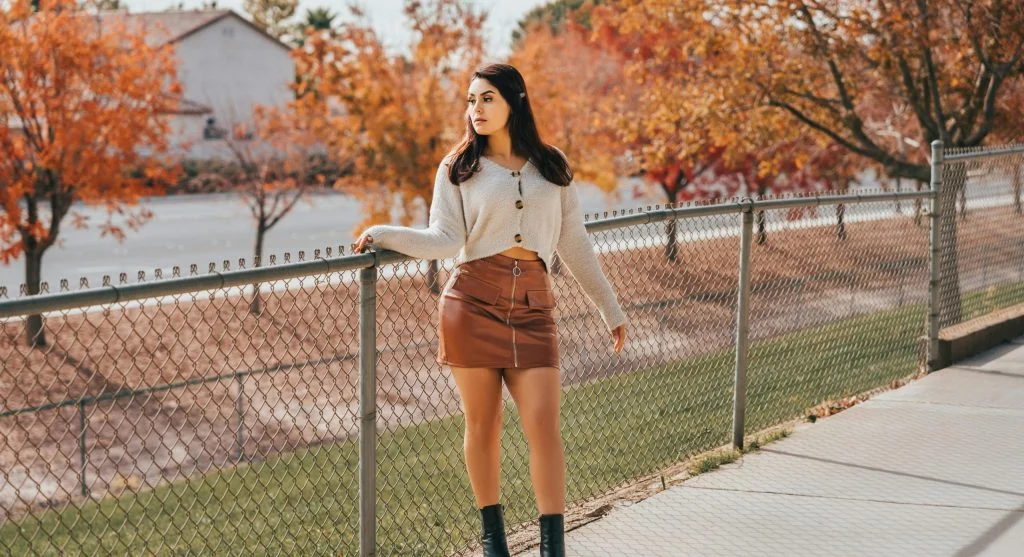
Closet planners often explain that useful wardrobes depend more on rotation than replacement. The same trousers, shirts, denim, and dresses can stay valuable while lighter or heavier layers shift around them.
Credit: Luis Erives / Pexels
2. Myth: More layers always make transitional dressing better
Layers can help, but more is not always better. One of the more misleading ideas in transitional dressing is that the safest choice is to stack on as many layers as possible. Too many layers can quickly make an outfit feel bulky, heavy, and harder to adjust once the temperature rises.
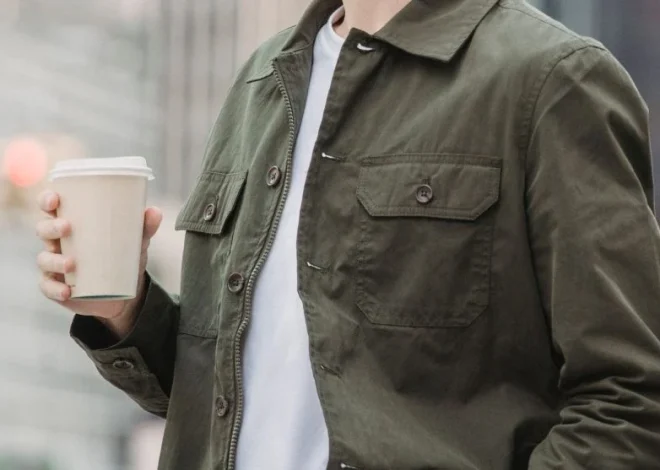
Fashion stylists often recommend fewer, lighter layers instead. A shirt, a knit, and one easy outer layer usually offer more flexibility than several thick pieces that create heat and bulk too quickly.
3. Myth: Seasonal looks should match one exact temperature
Many readers build an outfit around the weather at the exact moment they leave the house. This often leads to frustration because the day rarely stays the same. Seasonal looks usually work better when they are prepared for change instead of designed around one fixed point in time.
Style professionals often explain that a strong transitional outfit should still work after one layer comes off. That kind of flexibility often matters more than whether the outfit feels perfect during the first hour outside.
4. Myth: Seasonal dressing only works in neutral colors
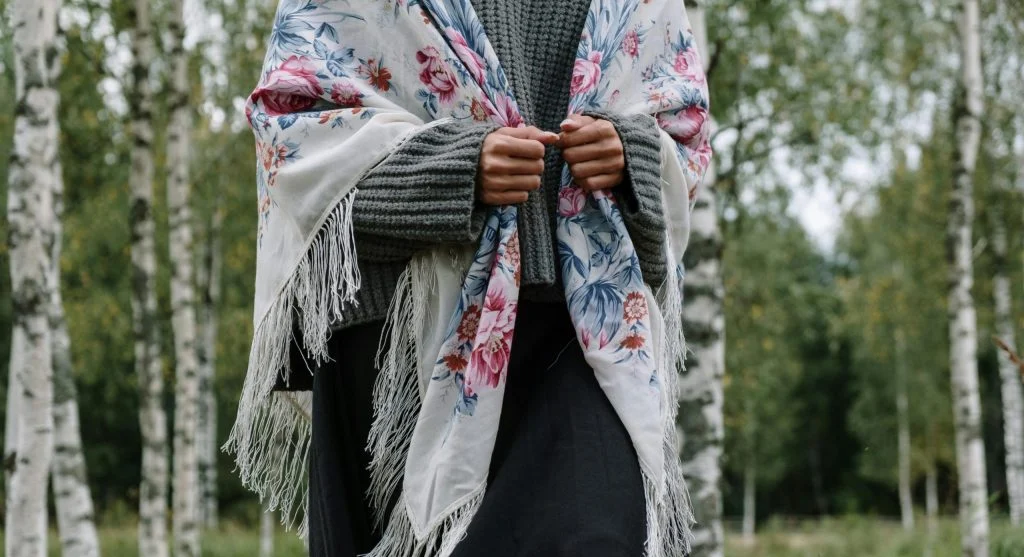
Neutrals are useful, but they are not the only option. One seasonal looks myth is that transitional outfits must stay almost completely neutral to feel practical. While connected shades do help, soft olive, dusty blue, muted rust, warm brown, or gentle pastels can also work well if they blend with the rest of the outfit.
Fashion editors often note that seasonal color works best when it feels coordinated rather than overly bright or disconnected. Calm color can still make an outfit interesting without making it harder to wear.
5. Myth: One perfect jacket can solve every changing-weather outfit
Reliable outer layers are helpful, but no single jacket works for every outfit, activity, and weather shift. Some readers place too much pressure on one trench, blazer, or denim jacket to solve every seasonal dressing problem. In practice, it is usually better to have a small group of layers that serve different needs.
Wardrobe specialists often recommend thinking in terms of roles. One layer may be best for polished looks, another for casual days, and another for slightly cooler weather. This approach keeps seasonal looks realistic instead of making them depend too much on one piece.

Credit: Maksim Goncharenok / Pexels
6. Myth: Transitional outfits should always look complicated
Some readers assume seasonal looks need extra styling to appear thoughtful. This can lead to too many layers, too many accessories, or too many visible ideas in one outfit. In reality, changing weather outfits often look better when the structure stays simple and each piece has room to work.
Stylists often explain that complexity is not the same as polish. A clear base outfit, one useful outer layer, and practical shoes often create a stronger result than a crowded look trying to do too much at once.
7. Myth: Seasonal shoes should change as much as the rest of the outfit
Footwear matters in transitional dressing, but readers do not always need completely different shoes every time the weather shifts slightly. A few dependable pairs that support several outfit types often provide more value than a large group of shoes that only work for narrow conditions.
Footwear specialists often point out that loafers, simple sneakers, flats, and low boots often work well across long transitional periods. Shoes that can be repeated usually make seasonal looks easier to manage and easier to trust.
What usually works better than seasonal looks myths
Seasonal dressing often becomes easier when it is built on practical truths instead of rigid ideas. A complete base outfit, one or two light layers, shoes that support the day, and colors that connect naturally usually offer more value than dramatic seasonal rules. Readers often benefit more from a flexible system than from trying to solve every weather change perfectly.
Wardrobe experts often note that the strongest changing weather outfits feel calm rather than overplanned. They move with the day, allow for adjustment, and return often enough to become dependable formulas instead of repeated experiments.
Why simpler seasonal looks often feel more wearable
Simple seasonal looks usually feel more wearable because they leave space for the weather to change without making the outfit fall apart. A practical jacket can come off. A cardigan can be added later. Shoes can stay useful even if the temperature shifts a little. This kind of flexibility is often what makes transitional dressing work well in real life.
For many readers, that is the real goal. Seasonal looks do not need to be the most creative outfits in the closet. They need to be the outfits that keep working when the day changes direction.
Frequently Asked Questions
Q: What are seasonal looks myths?
A: Seasonal looks myths are common ideas that make transitional dressing feel harder than it needs to be. These often include beliefs that every season needs a full wardrobe reset or that more layers always create a better outfit.
Q: Why do simple layers often work better?
A: Simple layers often work better because they are easier to remove, carry, and repeat. A few lighter layers usually create more flexibility than several heavy ones.
Q: Do changing weather outfits need special clothes?
A: Not always. Many changing weather outfits can be built from regular wardrobe basics with thoughtful layers, calm colors, and practical shoes that support different parts of the day.
Q: What makes transitional dressing easier?
A: Transitional dressing becomes easier when outfits are built for flexibility instead of perfection. A complete base outfit, one useful outer layer, and shoes that fit the routine often make the biggest difference.
Key Takeaway
Seasonal look myths often make transitional dressing more difficult by encouraging more clothing, extra layers, and complicated rules that everyday life does not really require. In most cases, practical seasonal outfits work best when they rely on clear base pieces, lightweight layers, useful shoes, and enough flexibility to adapt throughout the day. For many readers, simpler changing-weather outfits are usually the ones that last the longest and feel the easiest to wear.