Why Lifestyle Tips Work Better When Daily Habits Are Easier to Repeat
Lifestyle tips often sound useful in theory, but they do not always hold up in everyday life. Many people begin with good intentions, then realize the routine feels too detailed, too strict, or too hard to maintain once the week gets busy. In most cases, the issue is not a lack of effort. It is that the habits are harder to repeat than they first seemed.
Behavior specialists, productivity coaches, and home organization experts often explain that helpful routines usually depend more on repetition than intensity. When daily habits are simple enough to fit real mornings, work hours, errands, and tired evenings, lifestyle tips become much more practical and much easier to keep.
Why lifestyle tips often fail when they ask for too much
Many routines look good because they are designed for ideal days. They assume plenty of time, steady energy, a calm schedule, and full motivation. Real life often works differently. Appointments shift, work runs late, family needs come up, and simple tasks take longer than expected. That is why lifestyle tips often fail when they rely on perfect conditions.
Habit experts often note that a routine becomes stronger when it can survive an average day, not just a quiet one. A simple habit repeated often usually has more value than an impressive habit that keeps getting skipped.
How daily habits become easier to repeat
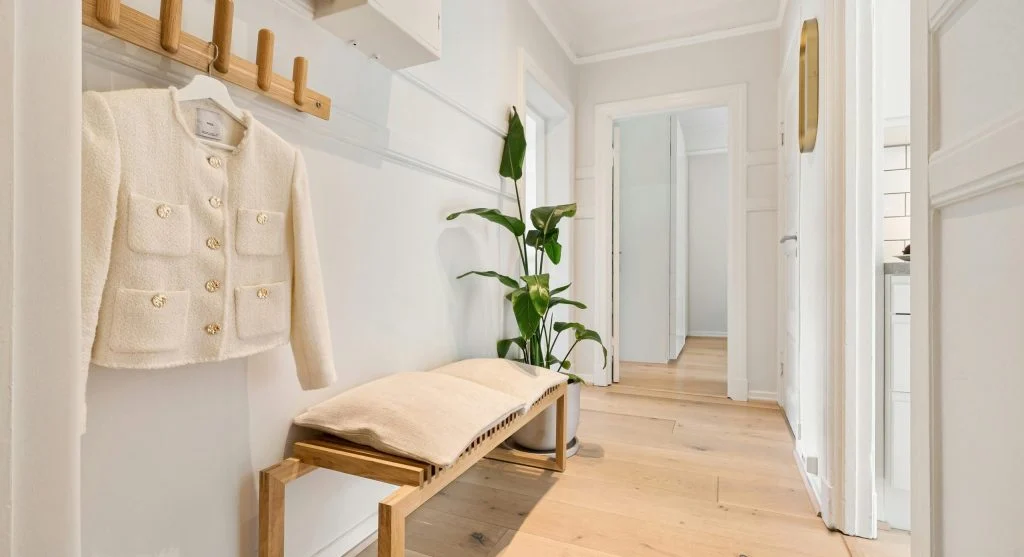
Habits usually become easier to repeat when they are connected to something that already happens. Drinking water after waking up, clearing a counter after dinner, checking the next day’s plan after brushing teeth, or placing keys in the same tray after coming home are all examples of actions linked to existing routines. These habits feel easier because they do not require a fresh decision every time.
Behavior researchers often explain that familiar triggers help routines settle into daily life. When a habit has a clear place and a clear moment, it becomes easier to remember and easier to keep.
Credit: Lisa Anna / Pexels
Why simple routines usually last longer
Simple routines often last longer because they reduce friction. They require less time, less decision-making, and less emotional effort. This matters more than many people realize. A routine that feels easy enough to do when tired is usually more useful than one that only works when motivation is high.
Productivity experts often point out that routine success is closely connected to ease. If a habit can be completed without much setup, it is more likely to become part of the day instead of another task that gets delayed.
How practical living depends on reducing repeated friction
Many daily frustrations come from the same small problems happening again and again. This might include lost essentials, no clear breakfast plan, clutter near the door, unclear task order, or too much time spent deciding what to do next. Practical living often improves when these repeated points of friction are handled directly.
Home organization specialists often explain that organized living is not only about how things look. It is about removing delays and confusion from the parts of life used most often. When the setup becomes easier, the routine usually follows.
Why one small routine anchor can change the day
A routine anchor is a repeated moment that helps the day feel more steady. This could be a short morning reset, a set lunch break, an afternoon pause, or a small evening tidy-up. The anchor itself may seem minor, but it often gives the day more shape and reduces the feeling of rushing from one task to the next.
Routine coaches often note that anchors create rhythm without requiring a strict schedule. They allow daily life to stay flexible while still giving the mind a clearer sense of order.
How evening habits make the next day easier
One of the most practical lifestyle tips is using the evening to reduce pressure the next morning. Laying out clothes, checking the calendar, clearing one room, charging devices, or preparing a bag can all make the following day feel easier before it even starts. These habits are small, but they often remove the exact problems that make mornings feel rushed.
Time-management experts often say calmer mornings are usually prepared ahead of time. Evening habits do not need to take long. They only need to reduce the friction that tends to repeat the next day.

Credit: www.kaboompics.com / Pexels
Why realistic routines are more useful than perfect ones
Many people stop following helpful habits because they think the routine has to be done perfectly to count. That belief often makes daily habits more fragile than they need to be. A more useful approach is to let routines stay flexible enough to survive imperfect days. Missing one part of a habit does not always mean the whole system has failed.
Habit specialists often explain that consistency grows through returning, not through perfection. The strongest routines are usually the ones readers can come back to without feeling that one difficult day erased all progress.
How daily habits shape long-term practical living
Practical living often looks ordinary from the outside. It may simply mean keys are easier to find, mornings begin with less rushing, counters stay usable, and important tasks are easier to remember. These things may seem small on their own, but together they change how daily life feels.
Over time, daily habits shape whether the home and schedule feel supportive or draining. This is one reason lifestyle tips work best when they focus on what can actually be repeated instead of what only sounds productive in the moment.
What makes a lifestyle tip truly useful
A useful lifestyle tip usually has three qualities. It solves a real repeated problem, fits naturally into the day, and remains possible even when energy is low. If a routine requires too much planning or too many perfect conditions, it may be harder to maintain than it first appears.
Experts in routine design often note that the best habits are the ones that begin to feel ordinary. Once something becomes easy enough to repeat without much thought, it starts doing real work in everyday life.
Frequently Asked Questions
Q: Why do lifestyle tips work better when habits are easy to repeat?
A: Lifestyle tips work better when habits are easy to repeat because consistency matters more than short bursts of effort. Smaller routines are usually easier to maintain in real life.
Q: What makes daily habits easier to keep?
A: Daily habits often become easier to keep when they are linked to existing routines, placed in a clear setting, and simple enough to continue on busy days.
Q: How can practical living feel less stressful?
A: Practical living often feels less stressful when repeated friction is reduced through simple routines, organized key spaces, and habits that support normal daily flow.
Q: Do simple routines really make a difference?
A: Yes. Simple routines can make a real difference because they are more likely to happen consistently. Over time, these repeated small actions shape the whole day.
Key Takeaway
Lifestyle tips usually work best when daily habits are simple enough to repeat without requiring too much effort. Clear routine anchors, small evening preparation habits, and routines connected to real life often create more practical and sustainable living than larger systems that are difficult to maintain. For many readers, the most helpful lifestyle tips are the ones that make everyday life feel easier again and again.