8 Fashion Mistakes That Can Make Everyday Outfits Feel Less Finished
Fashion mistakes are often small enough to seem harmless, but they can change how an everyday outfit feels. Many readers have worn clothes that looked fine on the hanger and still felt slightly unfinished once everything came together. In many cases, the issue is not a bad wardrobe. It is a styling choice that quietly weakens the final look.
Stylists, wardrobe planners, and fashion editors often explain that polished dressing usually depends on small decisions made well. A few missed details in fit, balance, shoes, or clothing condition can make everyday outfits feel less settled than they should.
Why fashion mistakes often look smaller than they feel
One reason fashion mistakes are easy to miss is that each piece may seem fine on its own. A shirt may work, the trousers may fit reasonably well, and the shoes may look useful. The problem often appears only when everything is worn together. That is why an outfit can feel wrong even when no single item seems obviously bad.
Style experts often note that the eye reads the full combination, not just the separate pieces. This is why small styling errors can have a bigger effect than people expect in daily dressing.
1. Wearing clothes that almost fit instead of clothes that fit well
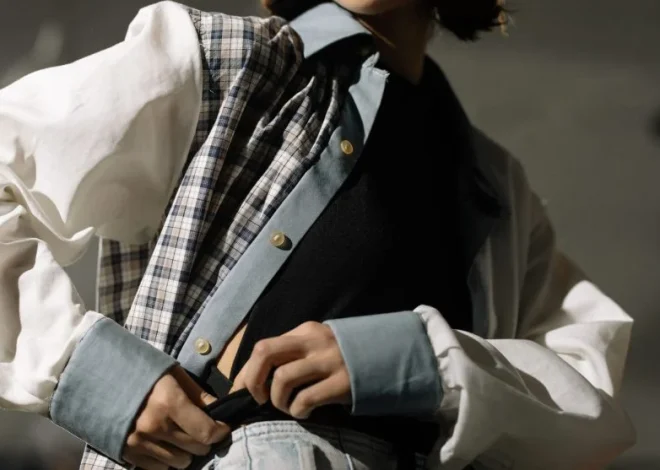
One of the most common fashion mistakes is accepting clothing that almost works. A shirt that pulls slightly, trousers that bunch too much at the ankle, or a blazer that feels just a little too wide at the shoulder can make the whole outfit seem less polished. The problem is often subtle, which makes it easy to ignore.
Tailoring professionals often explain that small fit corrections can improve several outfits at once. Better fit usually makes basics look stronger without adding anything new to the wardrobe.

Credit: Gustavo Fring / Pexels
2. Letting the outfit become too loose or too tight overall
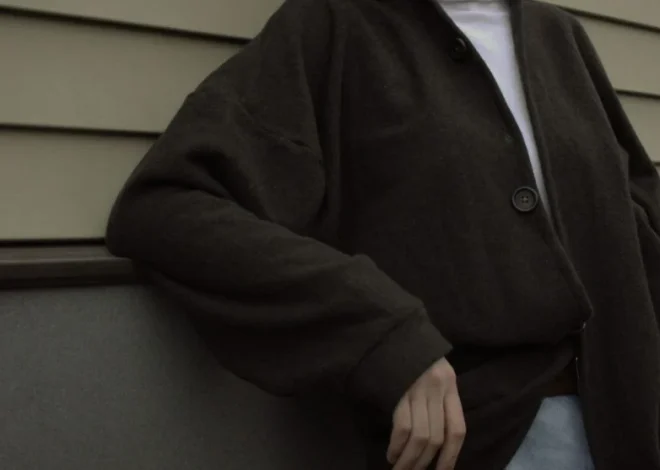
Another styling problem appears when the whole outfit leans too far in one direction. Clothing that is loose from top to bottom can feel heavy or shapeless, while clothing that is fitted from top to bottom can feel tense. Everyday outfits usually look better when there is some contrast in volume.
Stylists often recommend balance instead of extremes. Relaxed trousers may work better with a cleaner top line, while a softer knit may look stronger with straighter denim or a more defined lower half.
3. Choosing shoes that do not match the mood of the outfit
Shoes can easily change the full tone of an outfit. A very casual shoe may weaken a more polished look, while a sharper shoe can make relaxed clothing feel forced. This is one of the most common fashion mistakes because the shoe may seem practical on its own but still feel disconnected in the full look.
Footwear specialists often explain that the best shoe supports both the clothing and the day itself. It should fit the pace, weather, and visual direction of the outfit at the same time.
4. Adding too many noticeable details at once
Many readers try to improve an outfit by adding more visible details. A stronger bag, brighter shoes, layered jewelry, or another accent piece may all seem helpful. The problem begins when too many of them compete at the same time. The outfit can quickly lose clarity.
Fashion editors often suggest choosing one main focus and letting the rest of the outfit support it. In many cases, removing one extra detail improves outfit polish faster than adding anything else.
5. Ignoring how the colors relate to each other
Color can strengthen a look quickly, but it can also create confusion when the outfit has no clear connection. One of the more common fashion mistakes is combining shades that all ask for attention without giving the eye a calm base to follow. The result may feel busy even when the clothing itself is simple.
Wardrobe consultants often recommend using one steady base color family and then one accent if needed. This often helps everyday outfits look more finished and easier to repeat.

Credit: Israyosoy S. / Pexels
6. Forgetting that clothing condition affects style too
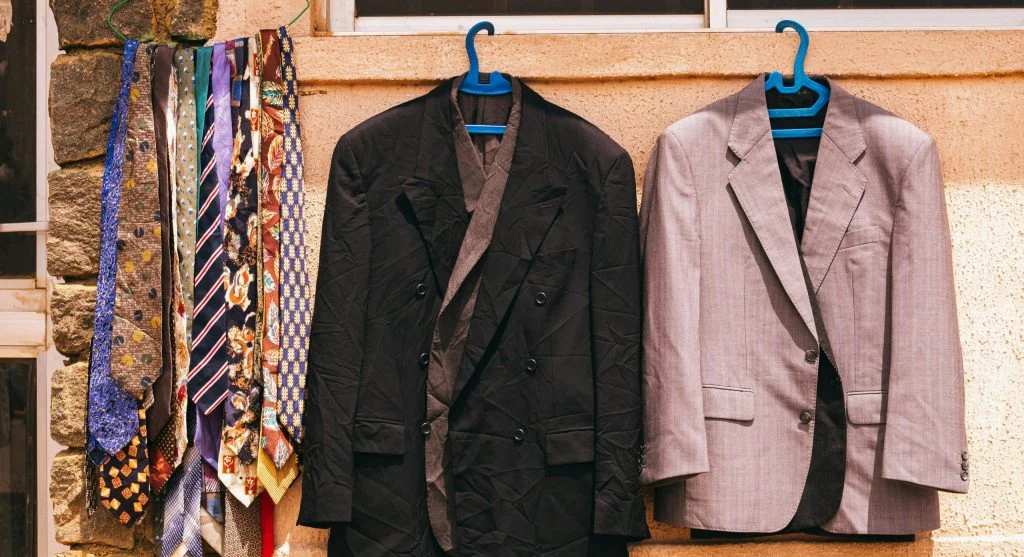
Some fashion mistakes have little to do with trends or outfit formulas. They come from clothing that looks worn out, wrinkled, stretched, or poorly cared for. Even a strong outfit idea can feel unfinished when the fabric looks tired or the shoes appear neglected.
Garment care specialists often point out that steaming, brushing, cleaning, and small repairs can do a lot to improve how an outfit reads. Good condition supports style more than many people realize.
7. Dressing for the photo instead of the full day
An outfit may look attractive in one quick mirror moment and still fail once the day actually begins. Clothing that needs constant fixing, shoes that become uncomfortable, or layers that turn too hot too early can all make the outfit feel less successful as the hours pass. Practical wear matters.
Wardrobe experts often explain that everyday outfits should support movement, weather changes, and long use. A look that only works while standing still may not feel finished in real life.
8. Skipping the final full-length check
One of the easiest fashion mistakes to avoid is also one of the most overlooked. A final full-length mirror check can reveal bunching fabric, awkward hems, accessories that feel too heavy, or shoes that shift the outfit in the wrong direction. These issues often become obvious only when the outfit is viewed as a whole.
Stylists often say that polished dressing depends as much on editing as choosing. The final check is often where the outfit becomes clearer, calmer, and more complete.
How to correct fashion mistakes without rebuilding the closet
Most fashion mistakes can be improved with smaller changes than readers expect. Better shoe choices, one less accessory, clearer color balance, improved maintenance, or a small fit adjustment can often make everyday outfits feel much more finished. This is why learning styling habits often matters more than buying more clothes.
Over time, readers often notice patterns in what keeps going wrong. Once those patterns are clear, outfit decisions become easier and the wardrobe feels more dependable from day to day.
Frequently Asked Questions
Q: What are the most common fashion mistakes in everyday outfits?
A: Common fashion mistakes in everyday outfits usually include poor fit, weak outfit balance, disconnected shoes, too many visible details, and clothing in poor condition.
Q: Why can an outfit feel unfinished even when the clothes are good?
A: An outfit can feel unfinished when the pieces do not work together clearly. Fit, shoes, color balance, and styling choices all influence the final look.
Q: Can fashion mistakes be fixed without shopping?
A: Yes. Many fashion mistakes can be improved through better fit, simpler styling, clearer shoe choices, and better clothing care. Small edits often make the biggest difference.
Q: What helps everyday outfits look more polished quickly?
A: Better fit, calmer color combinations, practical shoes, good clothing condition, and a final mirror check often help everyday outfits look more polished quickly.
Key Takeaway
Fashion mistakes often make everyday outfits feel less polished because small styling details can affect the overall look more than people realize. Better fit, balanced styling, smarter shoe choices, and proper clothing care can improve many outfits without the need for extra shopping. For many readers, polished dressing comes from consistently noticing and correcting these smaller details.