
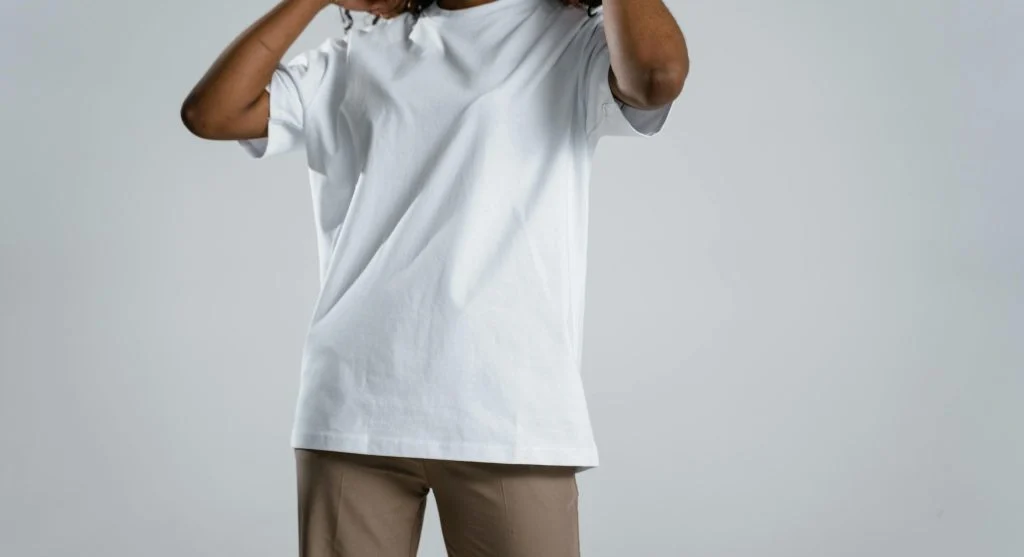
How to Use Style Basics to Make Everyday Outfits Feel More Balanced
Style basics often matter most when an outfit feels slightly off and the reason is difficult to explain. Many readers do not need more clothing to fix that problem. They need a clearer way to use simple pieces so outfits feel more balanced, more polished, and easier to repeat in daily life.
Stylists, wardrobe planners, and fashion editors often explain that daily style usually improves when readers understand a few reliable basics. Fit, proportion, layers, shoes, and color connection often shape the whole outfit more than trend pieces do. That is why style basics remain one of the strongest tools in any practical wardrobe.
Why style basics matter before anything else
Style basics matter because they create the foundation the rest of the outfit depends on. A simple shirt, straight trousers, useful denim, reliable knitwear, practical shoes, and one light outer layer often decide whether an outfit feels clear or confusing. These items may look quiet on their own, but they carry most of the balance in everyday dressing.
Wardrobe specialists often note that basics are what make outfits easier to build under pressure. When the foundation is strong, readers can get dressed faster and still look more intentional. When the foundation is weak, even good clothing can feel harder to combine well.
Step 1: Start with style basics that fit clearly
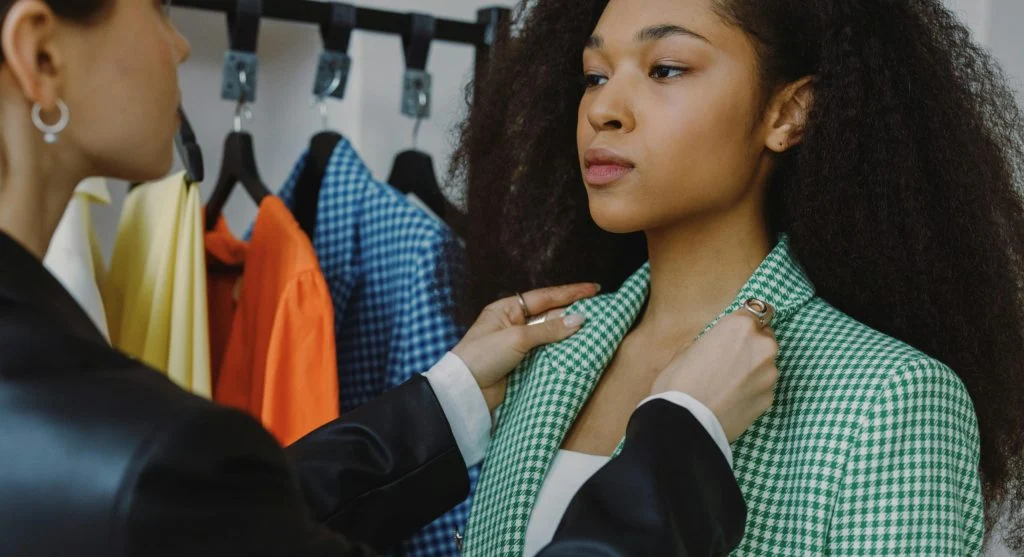
The first step is checking fit. One of the most useful style basics is clothing that sits well on the body without pulling, sagging, or creating awkward lines. A shirt that fits properly at the shoulders, trousers with a clean hem, and a jacket that rests well through the frame can make even simple outfits feel stronger.
Tailoring professionals often explain that fit does not need to mean tightness. It means a shape that looks clean and feels comfortable. When basics fit clearly, they create a stronger base for the rest of the outfit right away.
Credit: Ron Lach / Pexels
Step 2: Use one clear shape to guide the outfit
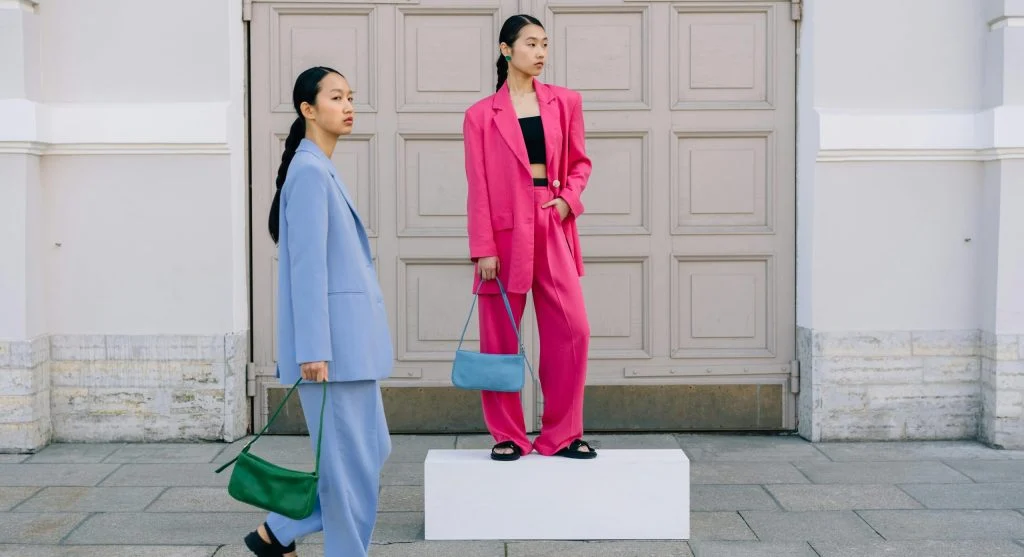
Balanced outfits usually have a shape the eye can follow easily. This often means making sure one part of the look provides structure while another part provides ease. Relaxed trousers can work well with a cleaner top line. A softer knit can pair well with straighter denim or a more defined lower half.
Stylists often note that many outfit problems come from unclear proportion. When the whole look feels too loose or too fitted, balance becomes harder to maintain. One strong shape can help the outfit feel more settled right away.
Step 3: Build around wardrobe basics that repeat well
Style basics become more useful when they are pieces already proven to work in daily life. A dependable shirt, useful knit, straight trousers, simple dress, or practical shoe often provides more value than clothing that only works once in a while. Everyday style usually becomes easier when readers build around the pieces they trust most.
Closet planners often suggest noticing what gets worn repeatedly without much hesitation. These pieces often reveal the real basics better than a shopping list does. The strongest outfit balance usually begins with clothing already known to work.
Step 4: Keep colors connected before adding accents
Color plays a major role in whether style basics work smoothly together. A calm base of navy, black, gray, beige, white, olive, or denim blue often helps everyday outfits feel more organized. Once that base is steady, a small accent through shoes, a bag, or knitwear can add interest without creating confusion.
Wardrobe consultants often explain that basics are easier to repeat when their colors already support several combinations. This is one reason connected color often makes outfits feel more balanced with less effort.
Step 5: Use one structured layer to improve outfit balance
One structured layer can change the whole outfit. A blazer, trench coat, crisp shirt, or light jacket often brings enough order to make softer clothing feel more intentional. This does not mean the outfit has to look formal. It simply means one item helps hold the rest of the look together.
Fashion editors often describe structure as one of the fastest ways to improve daily style. Even a simple outfit can feel much more polished when one piece adds shape and direction.
Credit: cottonbro studio / Pexels
Step 6: Let shoes support the look instead of interrupting it
Shoes can either strengthen or weaken outfit balance. A clean sneaker may support a relaxed outfit well, while a loafer, flat, or low boot may help sharper basics feel more finished. The key is choosing a shoe that matches the mood, weather, and pace of the day instead of fighting against it.
Footwear specialists often point out that useful shoes are often the ones that repeat across several outfits. When shoes connect well to wardrobe basics, daily dressing becomes more predictable in a helpful way.
Step 7: Keep accessories simple when the basics are already working
When basics are doing their job well, accessories usually do not need to work too hard. A tote bag, small earrings, a belt, or a watch may be enough to complete the outfit. Too many visible details can distract from the balance that basics are creating.
Stylists often recommend asking whether the outfit already has a clear direction. If the answer is yes, the accessories can stay quiet. This usually keeps the outfit easier to read and easier to repeat on another day.
Step 8: End with a full mirror check
A final full-length check often reveals the details that decide whether an outfit feels finished. A tucked shirt may need adjusting. A hem may bunch awkwardly. The shoes may feel slightly too casual for the rest of the look. One last look helps readers catch these small things before the day begins.
Fashion editors often note that getting dressed well is partly about editing. A balanced outfit usually comes from removing or adjusting one distracting detail rather than adding more.
How style basics create better daily style over time
The value of style basics grows through repetition. Once readers know which fits, colors, shapes, and shoes usually work together, getting dressed becomes much easier. Outfit balance stops depending on guesswork and starts depending on a clear pattern that supports real life.
Over time, this usually helps the whole closet work better. Shopping becomes clearer, outfit planning becomes faster, and daily style feels more dependable. That is why style basics often matter more over the long term than short-term trend changes.
Frequently Asked Questions
Q: What are style basics in everyday dressing?
A: Style basics are simple, dependable clothing pieces such as shirts, trousers, denim, knitwear, useful shoes, and light layers that help create balanced everyday outfits.
Q: How do style basics improve outfit balance?
A: Style basics improve outfit balance by creating a clearer foundation in fit, proportion, color, and structure. They help the whole outfit feel easier to read and more polished.
Q: Do balanced outfits need expensive clothes?
A: No. Balanced outfits usually depend more on fit, clear shape, connected colors, and thoughtful styling than on price. Simple clothes can work very well when used intentionally.
Q: Why are style basics easier to repeat?
A: Style basics are easier to repeat because they mix well with other pieces and support several outfit formulas. This makes daily dressing faster and more reliable.
Key Takeaway
Style basics make everyday outfits feel more balanced when they are built around good fit, useful structure, coordinated colors, and practical shoes. Readers often do not need more clothing to improve their daily style. For many people, the biggest improvement comes from learning how to use simple basics in a more thoughtful, consistent, and repeatable way.

Related Posts
Why One Clear Mid-Outfit Shape Can Make Everyday Looks Feel More Controlled Without Feeling Too Styled
Why One Clear Start-and-Finish Shape Can Make Everyday Outfits Feel More Complete Without Extra Styling