
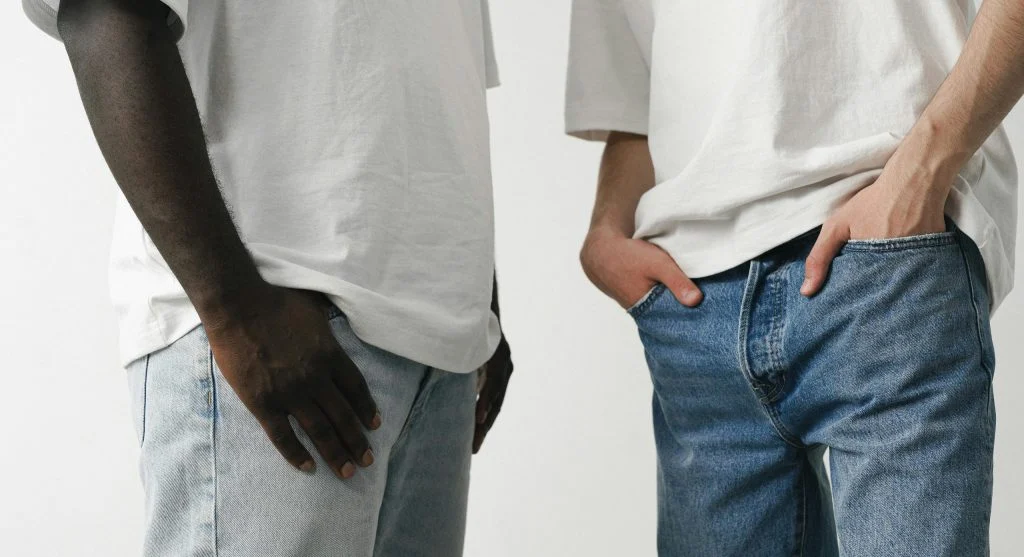
Why Style Basics Often Work Best When Outfits Stay Clear and Easy to Read
Style basics usually look strongest when an outfit feels clear rather than crowded. Many readers assume better style comes from adding more details, stronger pieces, or more visible styling choices. In daily life, though, outfits often look better when the eye can move through them easily and understand the shape, balance, and purpose of the clothing right away.
Stylists, wardrobe planners, and fashion editors often explain that good daily style depends on clarity as much as taste. When style basics are used well, they create a calmer foundation that makes outfits easier to wear, easier to repeat, and easier to trust on rushed mornings.
Why style basics matter so much in everyday dressing
Style basics matter because they carry most of the visual weight in a daily outfit. A shirt, knit, trousers, denim, useful shoes, or a light outer layer often shapes the whole look before any smaller detail is added. These pieces may not seem dramatic on their own, but they usually decide whether the outfit feels balanced or uncertain.
Wardrobe specialists often note that basics are what make a closet work under real-life pressure. When the core pieces are strong, daily dressing becomes more manageable, even if the outfit stays simple. When the basics are weak, the whole wardrobe usually feels harder to use.
How clear outfits make style basics look stronger
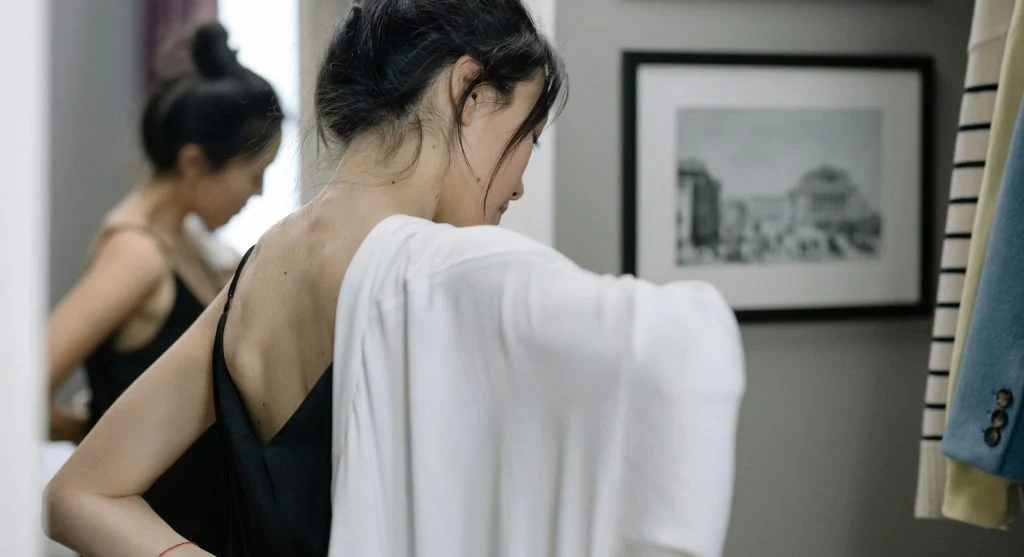
Outfits often feel stronger when they are easy to read. This means the shape is clear, the layers are not fighting each other, and the color choices feel connected rather than scattered. Style basics perform best in this kind of setting because they create quiet structure without pulling attention in too many directions.
Fashion editors often point out that simple dressing does not mean flat or uninteresting dressing. It often means the outfit has one clear direction. That is what helps wardrobe basics look polished instead of plain.
Credit: cottonbro studio / Pexels
Why fit is one of the clearest style basics
Fit affects whether an outfit looks clean and easy to understand. A shirt that sits well at the shoulders, trousers with the right hem, or a blazer that does not overwhelm the frame can make a simple outfit feel much more intentional. Poor fit often makes basics look weaker because the shape of the outfit becomes harder to follow.
Tailoring professionals often explain that small changes can improve the overall look of a wardrobe. A better hem, sleeve adjustment, or cleaner shoulder line may help several outfits feel more polished without changing the clothes themselves.
How wardrobe basics create stronger outfit structure
Wardrobe basics help because they build structure that can repeat across many days. A plain shirt can work with denim, trousers, or under knitwear. Straight trousers can support soft knits, crisp tops, or light jackets. A simple loafer can move through several looks without changing the outfit mood too sharply.
Closet planners often explain that outfit structure matters more than novelty in daily style. Readers usually benefit more from a few pieces that connect clearly than from many pieces that each need their own separate styling approach.
Why too many strong elements can weaken style basics
Basics often lose their strength when an outfit asks them to compete with too many noticeable details. A bold bag, statement shoe, layered jewelry, strong color contrast, and oversized outer layer may all work separately, but together they can make the outfit harder to read. Style basics usually work better when they are allowed to guide the look instead of being hidden under extra visual noise.
Stylists often recommend letting one detail lead while the rest of the outfit stays more grounded. This helps basics do their job and makes the full look feel calmer.
How color connection helps style basics do more work
Color has a major effect on whether basics mix smoothly. Neutrals and connected shades such as navy, gray, black, beige, olive, white, and denim blue often help basics work harder because more combinations become possible. The outfit does not need to stay colorless. It only needs a stable enough base that the eye can follow easily.
Wardrobe consultants often explain that one soft accent color can still work beautifully with basics if the foundation already feels connected. This keeps daily style more flexible without making the outfit feel busy.

Credit: freestocks.org / Pexels
Why shoes and layers are part of style basics too
Many readers think of basics only as tops and bottoms, but shoes and layers are just as important. Loafers, clean sneakers, flats, low boots, blazers, cardigans, light jackets, and trench coats often decide whether an outfit feels polished or not. These pieces support both comfort and visual structure.
Footwear specialists and stylists often note that a strong basic shoe or useful layer makes daily dressing much easier because it can repeat without pushing the outfit in a completely different direction each time.
How clear style basics make mornings less stressful
Daily dressing becomes easier when readers know which pieces create reliable outfit structure. A closet built around clear basics offers less uncertainty in the morning because more combinations already make sense. The reader is not solving a new visual problem every day. They are using a system that has already proven useful.
Wardrobe experts often note that this is one reason basic pieces become more valuable over time. Their value grows through repeated success. The more clearly they work, the easier the whole wardrobe becomes to use.
Why style basics still leave room for personality
Some readers worry that clear, simple basics might remove individuality. In practice, basics often make personal style easier to notice because they give smaller details room to stand out properly. A bag, shoe, scarf, color accent, or piece of jewelry often looks more intentional when the clothing underneath already feels steady.
Stylists often explain that personal style does not need chaos to be visible. It usually becomes more obvious when the outfit structure underneath is strong enough to support it.
Frequently Asked Questions
Q: What are style basics in a wardrobe?
A: Style basics are simple, dependable pieces such as shirts, trousers, knitwear, denim, useful shoes, and light layers that help create clear, repeatable outfits.
Q: Why do style basics work better in clear outfits?
A: Style basics work better in clear outfits because the eye can follow the shape, color, and structure more easily. This makes the outfit feel more polished and balanced.
Q: Can simple basics still look stylish?
A: Yes. Simple basics can look very stylish when fit, color, structure, and shoe choices are handled well. Their strength often comes from clarity rather than drama.
Q: Do style basics help with daily dressing?
A: Yes. Style basics help with daily dressing because they repeat easily, connect well with other pieces, and reduce guesswork on busy mornings.
Key Takeaway
Style basics often work best when outfits feel clear, balanced, and easy to put together. Better fit, coordinated colors, practical shoes, and simple structure can make everyday style look more polished without adding unnecessary complexity. For many readers, the strongest style basics are the ones that create calm, dependable outfits time and time again.

Related Posts
Why One Clear Mid-Outfit Shape Can Make Everyday Looks Feel More Controlled Without Feeling Too Styled

Why One Clear Start-and-Finish Shape Can Make Everyday Outfits Feel More Complete Without Extra Styling