How to Build Seasonal Looks That Stay Comfortable from Morning to Evening
Seasonal looks often feel most difficult when the day changes faster than the outfit can. A cool morning can turn into a warm afternoon, and a mild evening can become breezy again very quickly. That is why many readers find transitional dressing challenging. The goal is not just to look right for one moment. The goal is to stay comfortable and put together from morning to evening.
Fashion editors, wardrobe planners, and retail stylists often explain that successful changing weather outfits usually rely more on flexibility than perfect prediction. Practical layers, simple outfit formulas, and dependable shoes often help more than dramatic seasonal styling when real life keeps shifting the conditions throughout the day.
Why seasonal looks should be built for a full day
Many readers choose clothing based on the weather at the moment they leave home. That approach may work for an hour, but it often creates problems later. A heavy layer can feel uncomfortable by noon, while a light outfit may stop working once the sun goes down. Seasonal looks usually work better when they are planned for several parts of the day instead of one exact temperature.
Wardrobe experts often note that the strongest transitional outfits are not the ones that guess the weather perfectly. They are the ones that can adjust without making the whole look fall apart. That is usually what makes seasonal dressing feel more practical and far less stressful.
Step 1: Begin with a base outfit that works on its own
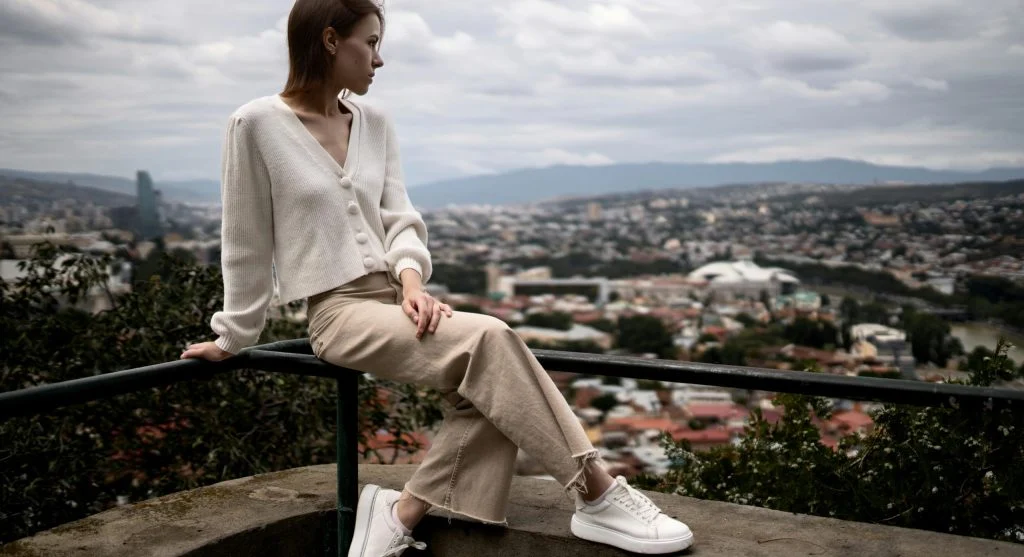
A strong base outfit is one of the most important parts of seasonal looks. This could be a knit top with straight trousers, a plain shirt with denim, or a simple dress with practical flats. The outfit underneath should already feel complete enough to wear if an outer layer comes off later in the day.
Stylists often recommend this approach because it keeps the outfit from depending too much on one jacket or cardigan. When the base already works, the reader has more freedom to adjust as temperatures change.
Credit: Alex / Pexels
Step 2: Add one light outer layer instead of several heavy ones
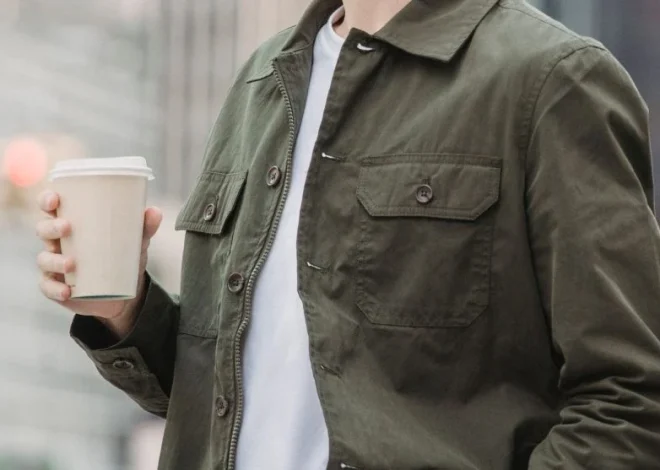
Many seasonal outfits become uncomfortable because too many layers are added too early. One light outer layer often works better than several bulky pieces. A relaxed blazer, denim jacket, light trench, cardigan, or overshirt can provide enough warmth without locking the outfit into one temperature range.
Fashion editors often point out that lighter layers usually offer more flexibility. They are easier to remove, easier to carry, and easier to rewear with other looks throughout the week. This often makes them a better choice for changing weather outfits than anything too thick or restrictive.
Step 3: Choose fabrics that feel easy to layer
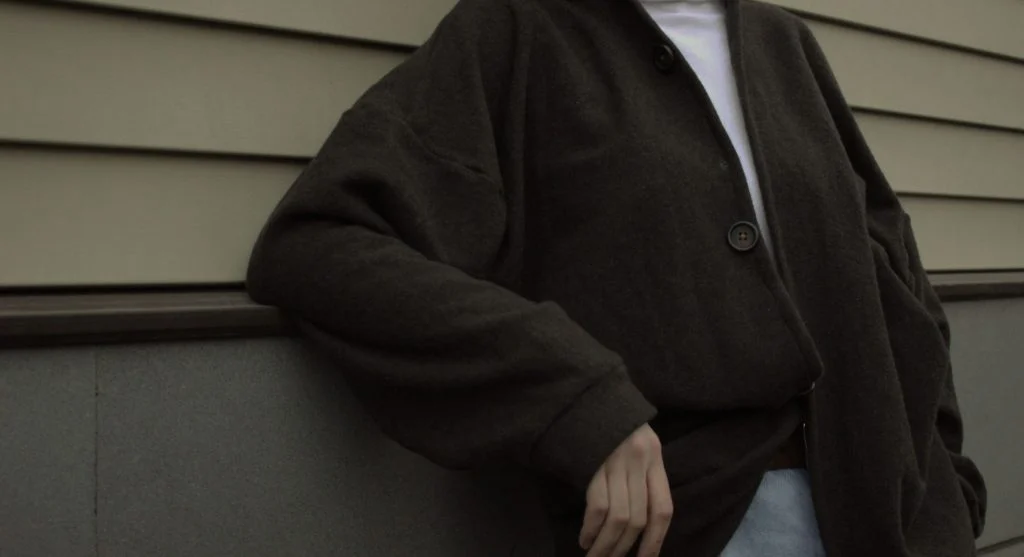
Comfort often depends on fabric as much as outfit structure. Fine knitwear, cotton shirts, light denim, and unlined jackets usually feel easier to wear across the day because they do not trap heat too quickly. Heavier materials can still be useful, but they often work best when the weather is more stable than transitional dressing usually allows.
Retail stylists often explain that seasonal looks work better when layers can sit over each other without becoming stiff or bulky. Lighter fabrics usually help the outfit stay balanced for longer.
Step 4: Keep the colors connected across the outfit
When seasonal outfits include more than one visible layer, color becomes especially important. Shades such as navy, beige, cream, gray, olive, denim blue, and soft brown often make layering easier because the pieces connect naturally. That color connection helps the outfit still look clear if one layer comes off later.
Wardrobe consultants often note that color coordination reduces visual stress in layered outfits. The reader does not need everything to match perfectly, but the clothing should feel like it belongs together from morning through evening.
Step 5: Use shoes that support both style and comfort
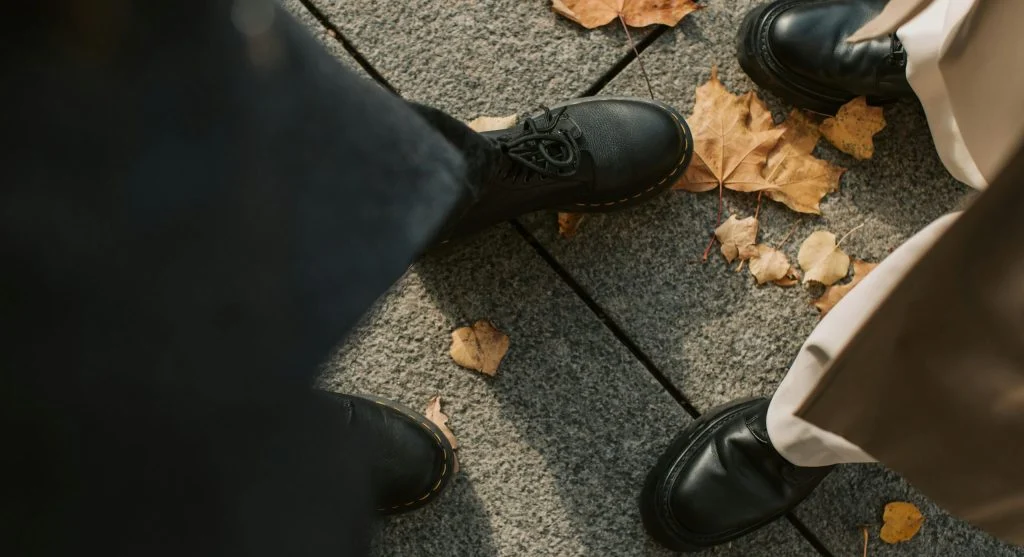
Shoes have a major effect on whether seasonal looks stay wearable all day. Loafers, simple sneakers, flats, and low boots often work well because they can handle mild weather, longer walking, and normal daily routines without demanding too much from the outfit. Shoes that look right but do not support the actual day can weaken the whole look quickly.
Footwear specialists often explain that transitional shoes need to balance appearance and practicality. A good shoe should suit the weather, the pace of the day, and the mood of the outfit at the same time.
Credit: Vlada Karpovich / Pexels
Step 6: Build one or two outfit formulas you can repeat
Seasonal dressing usually becomes easier once a reader has a few formulas that already work. A shirt plus cardigan plus trousers, a knit plus denim plus blazer, or a dress plus jacket plus flats can all serve as dependable starting points. These formulas reduce guesswork and make mornings easier when the forecast feels uncertain.
Closet planners often explain that repeatable outfit structures are especially useful during weather shifts. Once the reader knows the shape works, only small changes are needed around it.
Step 7: Carry one backup layer instead of overbuilding the outfit
One of the easiest ways to stay comfortable is to prepare quietly for later in the day. A sweater in a tote, a scarf in the car, or a cardigan folded nearby can add enough flexibility without making the morning outfit too warm. This is often more practical than wearing every possible layer from the start.
Style professionals often recommend this because it keeps the outfit light early in the day while still allowing room for change later. That balance often makes seasonal looks feel much more comfortable overall.
Step 8: Notice which combinations already survive long days well
The best seasonal looks are often the ones that have already proven themselves in real life. Readers can learn a lot by noticing which outfits still feel comfortable in the afternoon, which shoes stay wearable, and which outer layers are easiest to remove and carry. Those repeated successes usually reveal the strongest seasonal combinations better than trend images do.
Wardrobe experts often suggest treating transitional dressing as something learned through observation. Once a few dependable combinations become clear, the whole season becomes easier to manage.
How these seasonal looks stay comfortable longer
Comfort usually improves when the outfit is not trying to solve every weather change at once. A complete base, one useful outer layer, practical shoes, and one optional backup layer often create enough flexibility without making clothing feel too heavy or complicated. This kind of structure helps seasonal looks stay useful for more hours of the day.
For many readers, that is what makes transitional dressing feel less stressful. The outfit no longer depends on perfect weather timing. It depends on a few clear choices that keep working even when the day shifts.
Frequently Asked Questions
Q: What makes seasonal looks comfortable all day?
A: Seasonal looks usually stay comfortable all day when they begin with a complete base outfit, use light removable layers, and include shoes that support both the weather and the schedule.
Q: How can changing weather outfits stay practical?
A: Changing weather outfits often stay practical when they rely on lighter fabrics, connected colors, and one or two flexible layers instead of too many heavy pieces.
Q: Do seasonal looks need completely different clothes?
A: No. Many seasonal looks can be built from the same core wardrobe basics with different outer layers, shoes, and small fabric adjustments.
Q: Why are outfit formulas useful in transitional dressing?
A: Outfit formulas are useful because they reduce guesswork. When readers already know which combinations work well, it becomes easier to dress for weather that may shift through the day.
Key Takeaway
Seasonal looks stay more comfortable from morning to evening when they are built around a complete base outfit, lightweight layers, coordinated colors, and practical shoes. Most readers do not need overly complicated outfits for changing weather. For many people, the most successful seasonal dressing comes from simple outfit formulas that stay flexible enough to handle the entire day.