How to Avoid Fashion Mistakes That Can Make Simple Outfits Feel Less Polished
Fashion mistakes often show up in outfits that seem simple enough to style well. Many readers choose a plain shirt, useful trousers, and practical shoes, yet still feel like something is missing once the outfit comes together. In many cases, the issue is not the clothing itself. It is one or two small styling choices that weaken the whole look.
Stylists, wardrobe planners, and fashion editors often explain that polished outfits usually rely on clear fit, steady balance, and calm finishing details. That is why avoiding fashion mistakes often matters more than adding extra clothing or accessories. The strongest improvements usually come from noticing what quietly throws the outfit off.
Why fashion mistakes often happen in simple outfits
Simple outfits leave little room for distraction, so every choice becomes more noticeable. If the shirt fit is slightly off, the trousers are too long, or the shoes shift the tone in the wrong direction, the whole outfit can feel less finished. A more detailed outfit may hide those issues for a while, but simple clothing often makes them easier to see.
Style professionals often point out that basic outfits work best when the pieces support each other clearly. Without that support, even clean and practical clothing can still look unsettled.
Step 1: Check fit before styling anything else
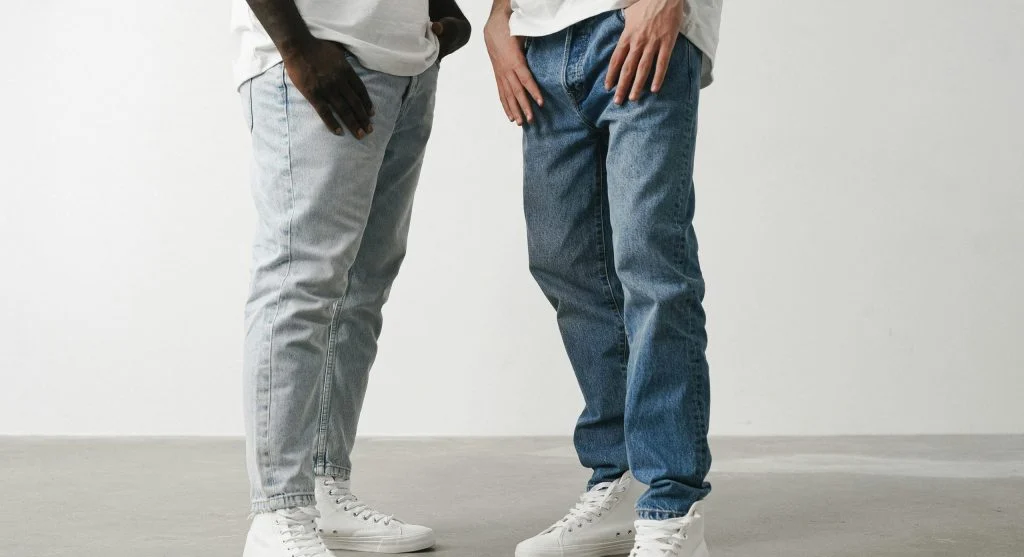
The first step in avoiding fashion mistakes is checking whether the clothing fits clearly enough to support the full look. A shirt that pulls across the chest, trousers that bunch too much at the ankle, or a blazer that feels too wide at the shoulders can weaken the outfit before shoes or accessories are even considered.
Tailoring professionals often explain that fit does not mean tightness. It means the clothing follows the body in a clear, comfortable way. Better fit often makes the biggest difference in simple outfits because it creates a cleaner outline right away.
Credit: SHVETS production / Pexels
Step 2: Make sure the outfit has a clear shape
One of the easiest fashion mistakes is letting the whole outfit lean too far in one direction. Clothing that is loose from top to bottom can feel heavy, while clothing that is fitted everywhere may feel too sharp. Polished outfits usually need some contrast in shape, which helps the eye move through the look more naturally.
Stylists often recommend pairing fuller trousers with a cleaner top line or softer knitwear with straighter denim. These shape choices can help an outfit feel more balanced without needing anything dramatic.
Step 3: Choose shoes that support the outfit mood
Shoes are one of the most common places where fashion mistakes begin. A very casual shoe can weaken a more polished outfit, while a sharper shoe can make relaxed clothing feel forced. The right shoe should suit the clothing, the schedule, the weather, and the pace of the day.
Footwear specialists often note that good shoes do more than finish the look. They help the outfit feel believable in real life. When the shoes make sense both visually and practically, the rest of the outfit often feels more settled too.
Step 4: Keep one main focus instead of several
Many readers make fashion mistakes by trying to improve a simple outfit with too many points of attention. A brighter shoe, larger bag, statement jewelry, strong outer layer, and color accent may all seem useful, but together they can make the look feel crowded. Simple outfits often work better when one detail leads and the rest stays quieter.
Fashion editors often explain that one strong point is usually enough. This might be the bag, the coat, the shoe, or the color accent. Once one detail takes that role, the rest of the outfit can support it more clearly.
Step 5: Let color create connection, not confusion
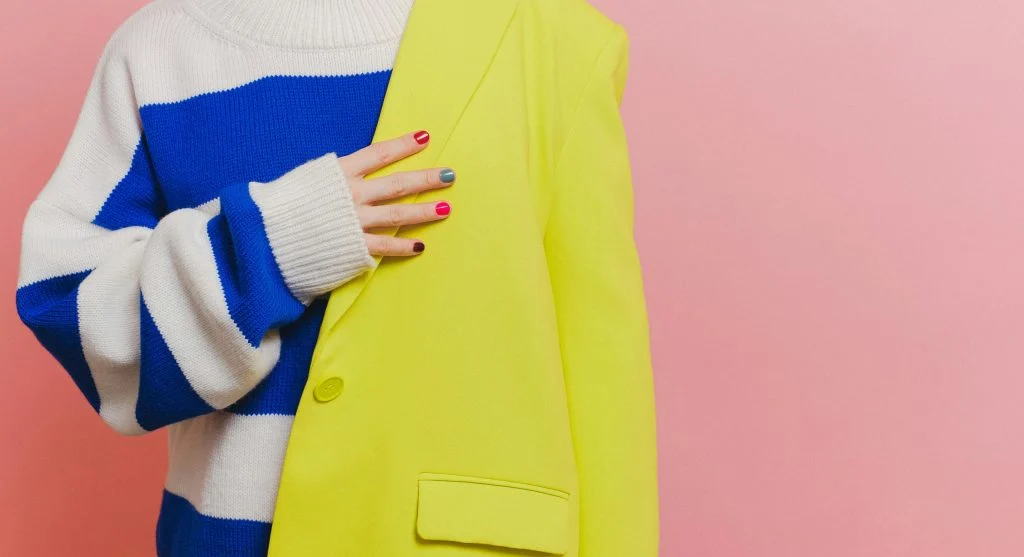
Color has a strong effect on whether a simple outfit feels polished. One of the most common fashion mistakes is using shades that pull attention in too many different directions. Even if each color looks good on its own, the full outfit may still feel scattered if the tones do not connect.
Wardrobe consultants often recommend building the look around a calmer base and then adding one accent if needed. This keeps the outfit easier to read and often makes repeat wear much simpler later in the week.
Credit: Anna Shvets / Pexels
Step 6: Pay attention to clothing condition
Some fashion mistakes have little to do with trends or styling ideas. They come from the condition of the clothing. Wrinkled shirts, stretched knitwear, worn shoes, loose threads, or bags that have lost their shape can make even strong outfit formulas look less finished. These details often matter more in simple outfits because there is less to distract from them.
Garment care specialists often explain that steaming, brushing, cleaning, and small repairs can improve an outfit quickly. Good condition often gives basics the kind of polish that styling alone cannot create.
Step 7: Remove one thing before leaving
A useful habit for avoiding fashion mistakes is removing one unnecessary detail before leaving home. This could be one accessory too many, a layer that makes the outfit feel heavier, or a bag that competes with the rest of the look. Editing often creates a cleaner result than adding one more item in search of balance.
Stylists often say polished outfits are usually clearer than readers expect. The goal is not to make the outfit louder. It is to make it easier to understand.
Step 8: Do one final full-length mirror check
A final mirror check often reveals the exact issue that could have gone unnoticed. A tucked shirt may need adjusting, the shoes may feel less right than expected, or the silhouette may look heavier on one side than the other. These small problems are often easiest to spot when the full outfit is viewed together.
Fashion editors often recommend stepping back and looking at the outfit as one complete image. That final check can prevent several small fashion mistakes from following the outfit through the entire day.
How these steps improve polished outfits over time
The more often readers use these checks, the easier they become. Over time, it becomes simpler to notice weak fit, crowded details, or shoe choices that shift the outfit in the wrong direction. That usually leads to less trial and error and more confidence when getting dressed each morning.
Wardrobe experts often explain that better style usually comes from better observation rather than more clothing. Once readers understand what keeps causing fashion mistakes, they can often improve many outfits at once using the wardrobe they already own.
Frequently Asked Questions
Q: What are the most common fashion mistakes in simple outfits?
A: Common fashion mistakes in simple outfits usually include weak fit, poor outfit balance, disconnected shoes, too many visible details, and clothing in poor condition.
Q: Why do simple outfits sometimes feel less polished?
A: Simple outfits can feel less polished when one or two styling choices work against the whole look. Because the outfit is simpler, fit, shoes, and balance often matter even more.
Q: Can fashion mistakes be fixed without buying anything new?
A: Yes. Many fashion mistakes can be improved through better fit, clearer shoe choices, simpler accessories, and stronger clothing care. Small changes often have a big effect.
Q: What helps a simple outfit look more polished quickly?
A: Better fit, one clear focus, connected colors, good clothing condition, and a final mirror check often help a simple outfit look more polished very quickly.
Key Takeaway
Fashion mistakes can make simple outfits feel less polished because small details tend to stand out more in clean, minimal looks. Better fit, balanced styling, the right shoes, and simpler finishing touches can improve everyday outfits without the need for extra shopping. For many readers, avoiding fashion mistakes is mostly about understanding which small styling habits create the biggest impact.