
Why One Balanced Shoulder-to-Shoe Line Can Make Everyday Outfits Look More Complete
What a shoulder-to-shoe line actually means
A shoulder-to-shoe line is the overall path the eye follows from the top of the outfit down through the body and into the footwear. It includes shoulder shape, sleeve behavior, the middle of the silhouette, trouser or skirt line, hem placement, and the final effect of the shoes. When those parts support each other, the outfit feels smoother and easier to read.
This matters because the eye does not see clothing only as separate pieces. It reads the whole shape at once. If the line feels balanced, the outfit often seems finished even when the styling is very simple.
Why some outfits feel disconnected even with good pieces
Readers often assume a weak outfit needs a better top or more interesting shoes, but the problem is sometimes the connection between those items rather than the items themselves. A structured upper half may fall into a shapeless middle. A good lower half may end in a shoe that changes the mood too sharply. A useful layer may create a strong start that the rest of the outfit does not continue well.
Stylists often explain that the strongest outfits usually have internal agreement. The clothing does not have to match exactly, but it does need to support one overall movement through the silhouette.
How the shoulders begin the whole story
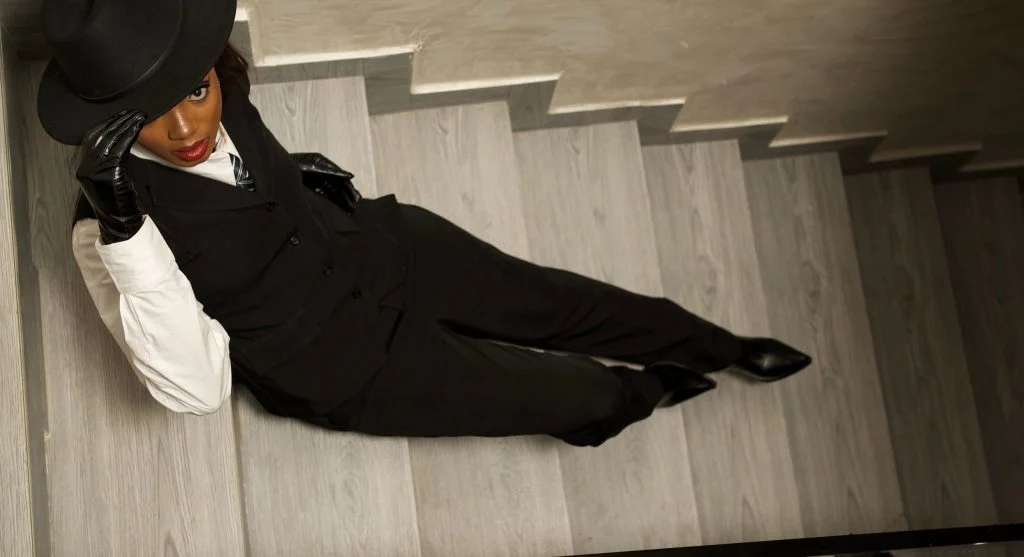
The shoulder area often sets the tone of the outfit first. A soft shoulder, cleaner shoulder line, or useful sleeve shape can create a steady beginning for the eye. If the top half starts with a line that feels controlled but natural, the rest of the outfit has a better chance of staying balanced. If it starts too sharply or too weakly for the rest of the look, the silhouette may begin feeling uncertain from the very beginning.
This does not mean shoulders need strong tailoring. It means the upper outline should feel intentional enough to give the outfit a clear start.
Why the middle of the outfit keeps the line moving
The line from shoulder to shoe usually weakens if the middle of the outfit becomes visually confused. A top that hangs too heavily, an unclear waist transition, or a layer that interrupts the silhouette without replacing it with another strong line can all stop the outfit from flowing. When the middle works well, the upper and lower halves feel connected instead of separate.
This is one reason the waist area, top length, and layer opening matter so much. They often decide whether the full outfit keeps moving clearly or falls apart halfway through.
How the lower half anchors the full look
Trousers, skirts, and dresses carry the line downward. If the lower half supports the upper shape, the outfit usually feels more complete. A clean trouser line, a useful skirt length, or a dress that holds the silhouette steadily can all help. But if the lower half introduces a very different energy without enough support, the outfit may seem top-heavy, too abrupt, or slightly unresolved.
This is why the best everyday bottoms often repeat so often. They do not only fit well. They help the entire outfit move more naturally from start to finish.
Why shoes decide whether the line truly ends well
Shoes are often the final point in the outfit’s visual journey. They can either continue the line the clothing has already created or interrupt it sharply. A clean low-profile shoe may finish a calm outfit well. A more grounded shoe may work beautifully when the rest of the silhouette supports it. But when the shoe changes the mood too suddenly, the whole outfit can lose some of its balance at the very last moment.
This is why footwear matters so much in otherwise simple outfits. The shoes do not just complete the look practically. They complete it visually too.

How this helps simple wardrobes most
Basic wardrobes often depend on structure more than decoration. Since there may be fewer loud details to create interest, the success of the outfit often comes down to how well the shape travels from top to bottom. A balanced shoulder-to-shoe line can make a plain shirt, simple trouser, and practical shoes look much more complete than the same pieces would look with weaker internal flow.
This is one reason simple clothing can still look very refined. The wardrobe may not be doing anything dramatic, but it is doing one important thing well: keeping the silhouette connected.
Why this matters more than exact matching
Readers sometimes focus too heavily on matching color or accessory detail while overlooking the full line of the outfit. A perfectly matched bag and shoe will not necessarily rescue a silhouette that feels broken from shoulder to hem. In many cases, a more complete-looking outfit comes from shapes that agree with each other rather than from exact visual matching.
This is why some neutral simple outfits look far better than busier ones. Their strength comes from flow and balance rather than from visible coordination alone.
How to tell when the line is not working
One sign is that the outfit feels “almost right” but never fully settles. Another is that changing one part of the top, middle, or shoes suddenly makes the whole look improve. Readers may also notice that the outfit seems stronger from one angle than from another, which often suggests the full silhouette is not moving evenly through the body.
In these cases, the outfit may not need more fashion. It may simply need the shoulder-to-shoe line to become more balanced and easier to follow.
Why balanced lines often look more polished than added detail
Outfits with a steady visual path from top to bottom often look more polished than outfits with many interesting details but weak structure. This is true even when the clothing is basic. The eye tends to trust an outfit that feels complete in its line. That sense of completion often reads as more intentional and more elevated.
For many readers, this is one of the most useful style lessons. Better daily dressing often begins with stronger flow through the whole silhouette rather than with more statement pieces.
Frequently Asked Questions
Q: What is a shoulder-to-shoe line in an outfit?
A: It is the full visual path the eye follows from the shoulders through the middle and lower half of the outfit down to the shoes.
Q: Why does a balanced line make an outfit look more complete?
A: It makes an outfit look more complete because all parts of the silhouette support each other, which helps the eye read the full look more naturally and clearly.
Q: Do outfits need to be formal to have a strong shoulder-to-shoe line?
A: No. Even very simple and casual outfits can have a strong line when the upper shape, middle transition, lower half, and shoes all work together well.
Q: How can I improve this line quickly?
A: Small changes often help most, such as adjusting the middle of the outfit, choosing a more supportive shoe, or improving the upper-body shape through sleeves or layering.
Key Takeaway
One balanced shoulder-to-shoe line can make everyday outfits look more complete because it helps the whole silhouette move clearly from the upper body through the middle and into the shoes. When that line feels steadier, simple clothes often look more polished without needing extra detail. For many readers, stronger everyday style comes not from adding more, but from helping the whole outfit travel better from top to bottom.