Why One Reliable Sleeve Shape Can Make Everyday Outfits Feel More Consistent and Easier to Wear
What a reliable sleeve shape actually means
A reliable sleeve shape is the sleeve line that keeps working well in everyday life across several kinds of tops or layers. This may be a clean straight sleeve, a lightly relaxed sleeve, a soft bracelet length, or another shape that repeatedly feels right with the wardrobe’s usual proportions. The exact version may differ from one reader to another, but the important part is that the sleeve keeps helping instead of causing hesitation.
This matters because sleeves shape the upper half of an outfit more than many people realize. The line from shoulder to wrist often influences whether the outfit feels tidy, practical, soft, or slightly awkward.
Why sleeves affect outfit consistency so strongly
Readers often focus on color, trouser shape, or shoe choice when trying to understand why some outfits look more connected than others. But sleeves also create a repeated visual signal. If one top has a clean narrow sleeve, another has a large loose shape, and a third ends at an uncertain length, the wardrobe may begin feeling less coherent even when the pieces are individually useful.
Stylists often explain that consistency comes from repeated lines as much as from repeated colors. Sleeve shape is one of those lines. When it stays within a reliable range, the wardrobe often feels calmer and more readable.
How unreliable sleeve shapes create friction
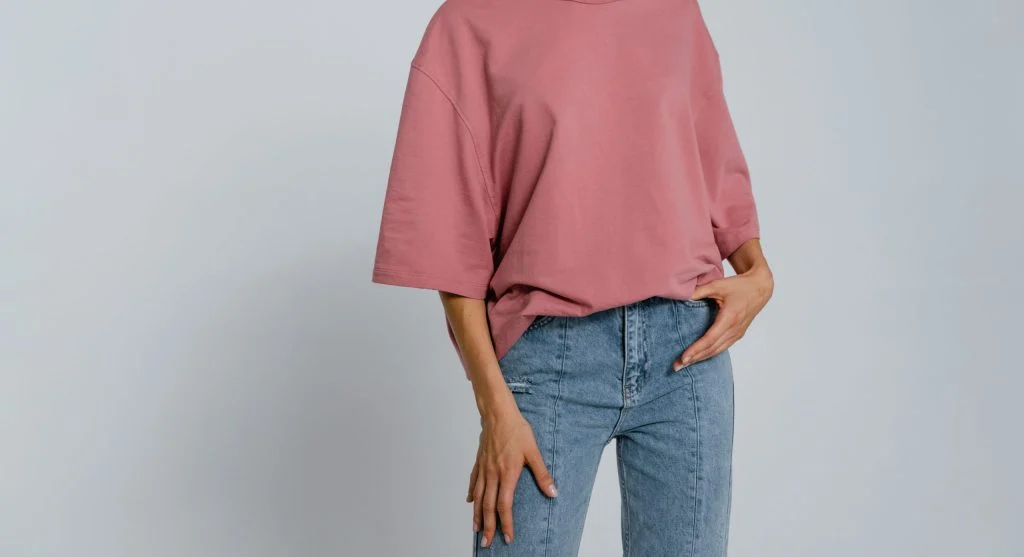
Some sleeves look good on the hanger but become inconvenient in real life. They may bunch under a jacket, feel too wide beside a cleaner trouser, stop at an awkward point near the wrist, or make the upper body seem less settled than expected. These issues are often small, but they repeat often enough to shape how the whole outfit feels.
That is why readers sometimes avoid certain tops without fully understanding why. The problem may not be the top overall. It may be that the sleeve keeps interrupting the outfit instead of supporting it.
Why sleeve shape matters especially in simple wardrobes
Simple wardrobes rely on proportion and line more than obvious fashion drama. In that kind of closet, little structural details become more visible. A reliable sleeve shape can make a basic shirt feel sharper, a knit feel more polished, and a light layer feel easier to repeat. When the upper half keeps ending in a clear and familiar way, the whole wardrobe often looks more organized.
This is one reason basic outfits can appear much stronger than expected. The pieces may be simple, but the small lines inside them are working together well.
How the sleeve line affects balance with trousers and shoes
The upper-body line does not work alone. It has to connect to the rest of the outfit. A cleaner sleeve often pairs more easily with straight trousers, calmer hems, and practical shoes because it does not add too much visual disruption above the waist. If the sleeve becomes too dramatic without enough support elsewhere, the outfit may begin feeling top-heavy or slightly unresolved.
This does not mean every sleeve must be minimal. It means the sleeve should make sense with the rest of the outfit’s proportions and mood. When it does, the clothing often feels easier to finish from top to bottom.
Why a reliable sleeve shape improves layering
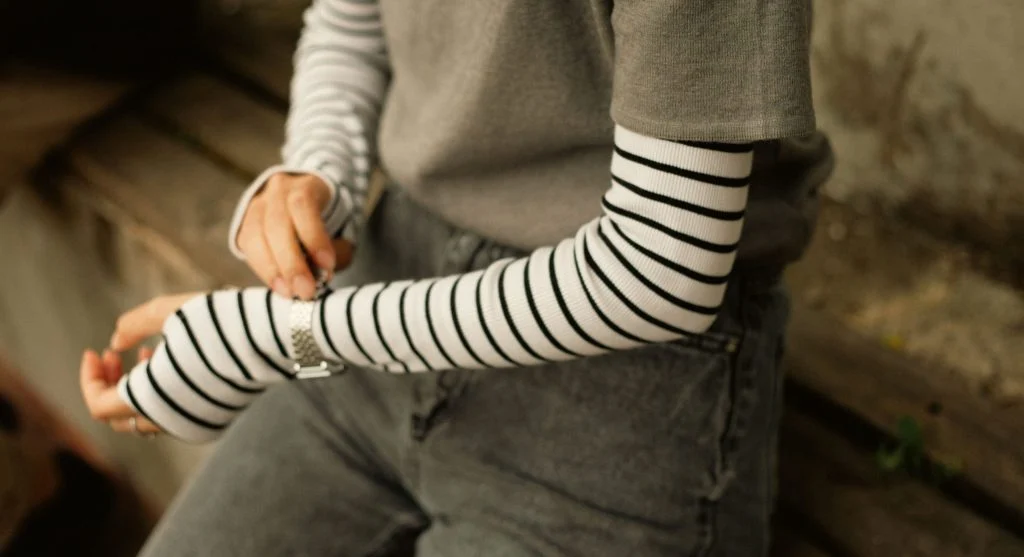
Layering becomes much easier when the sleeves underneath behave well. A dependable sleeve does not fight the cardigan, overshirt, blazer, or jacket placed over it. It sits neatly, moves naturally, and lets the outer layer do its job without causing bunching or awkward bulk around the arms. This is especially helpful in daily wardrobes where repeated layering matters more than one-time styling.
Wardrobe planners often note that reliable under-layers are just as important as reliable outer layers. A good sleeve shape is often part of what makes that possible.
Why this can make mornings feel easier too
Busy mornings become simpler when readers know certain tops will behave predictably. They do not have to wonder whether the sleeves will need adjusting, whether the layer will sit awkwardly, or whether the top will look less polished once fully on. That kind of trust matters because it removes one more point of hesitation from the getting-dressed process.
This is often what makes a wardrobe feel easy instead of merely attractive. The clothes are not only nice in theory. They are dependable under real daily pressure.
How to recognize your best sleeve shape
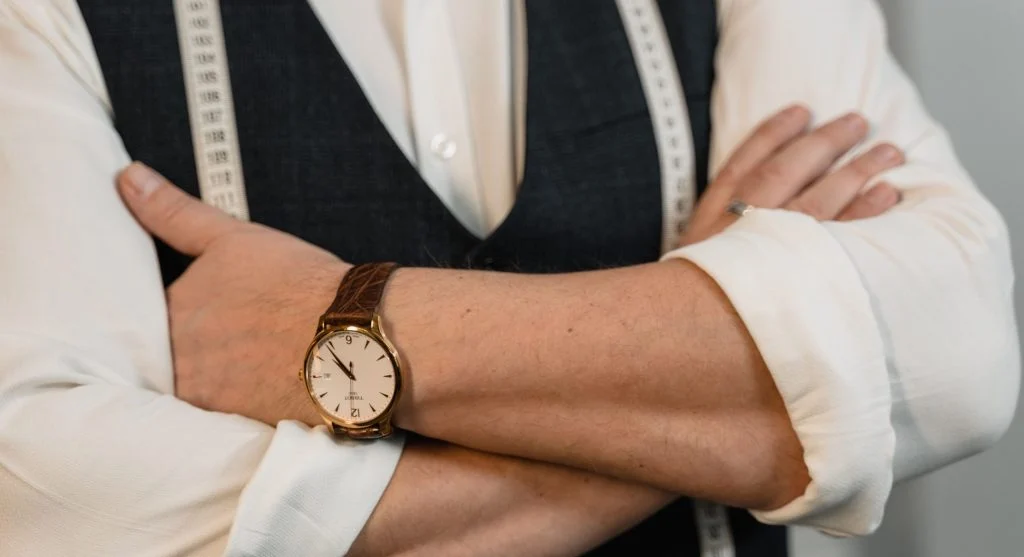
The easiest way is to look at the tops and layers you reach for most often without frustration. Which sleeve lengths keep working with your bracelets, watches, layers, and daily habits? Which sleeve shape makes the upper half of your outfit feel tidy without constant adjustment? The answers usually reveal the sleeve line already doing the most useful work in the wardrobe.
Once readers notice that pattern, they can use it more intentionally. The closet begins feeling more consistent because one of its quietest but most repeated details is finally being understood clearly.
Why this also helps future shopping
When readers understand their strongest sleeve shape, shopping becomes easier. They can tell more quickly whether a top will fit real life or only look appealing for a moment. They can also recognize which sleeve details are likely to create repeated trouble with layers, movement, or outfit balance. This usually leads to a wardrobe that works better over time because the useful line keeps repeating.
That kind of clarity often matters more than trend appeal. A top that truly fits the wardrobe’s best sleeve language usually ends up offering more everyday value.
Why repeated sleeve logic often looks more polished than repeated color
Color certainly affects wardrobe consistency, but shape often influences outfit polish more strongly. Sleeve shape helps determine how the upper half of the body reads, how outerwear sits, and how finished the outfit appears at the wrist line. That is why two outfits in different colors can still feel connected if their sleeves share the same useful structure.
For many readers, this is one of the more surprising style lessons. A wardrobe often begins looking more refined when its lines start repeating wisely, even before its colors do.
Frequently Asked Questions
Q: What is a reliable sleeve shape?
A: A reliable sleeve shape is a sleeve line that repeatedly works well in everyday outfits, layering, and movement without causing awkwardness or extra adjustment.
Q: Why does sleeve shape matter in daily style?
A: Sleeve shape matters because it affects upper-body balance, outfit consistency, layering ease, and how polished the clothing looks around the wrist and arm line.
Q: Does every top in my wardrobe need the exact same sleeve?
A: No. The sleeves do not need to be identical, but they usually work better when they stay within a reliable range that supports the same general styling logic.
Q: How can I tell if a sleeve shape is not working for me?
A: If the sleeve keeps bunching, needs constant adjustment, fights with layers, or makes the upper half of the outfit feel awkward, it may not be one of your strongest everyday sleeve shapes.
Key Takeaway
One reliable sleeve shape can make everyday outfits feel more consistent and easier to wear because it improves the upper-body line, supports layering, and reduces repeated outfit friction. When the tops and layers in a wardrobe share a sleeve shape that already works well, daily dressing often becomes smoother and more polished without extra effort. For many readers, one of the clearest paths to better everyday style is simply choosing clothes whose sleeves already know how to help.