

Why One Small Rotation Zone Can Make Everyday Wardrobe Favorites Feel Easier to Reach
What a rotation zone actually is
A rotation zone is a small active section of the closet reserved for the pieces most likely to be worn in the current part of the week or season. These are not fantasy favorites or clothes that only look good in theory. They are the garments that repeatedly solve outfit problems, fit daily life well, and work with several other pieces already in use. The zone may include a few tops, one or two dependable bottoms, a useful layer, and nearby finishing pieces that help complete the look.
This works because daily dressing becomes easier when the strongest options stay physically visible. A rotation zone gives the most useful pieces better access instead of letting them compete equally with everything else in the closet.
Why wardrobe favorites often become harder to use over time
Closets usually shift gradually, not all at once. New clothing gets added, categories get crowded, and useful items end up sharing space with lower-use pieces that do not actually support daily dressing very well. Over time, the reader may still own strong favorites, but those favorites are no longer living in a way that reflects their real value. They become harder to see, harder to pair quickly, and easier to overlook in the rush of ordinary mornings.
Wardrobe planners often explain that strong closets are not only about what readers own. They are also about what the closet makes easy to wear. A rotation zone improves that ease by giving the best daily workers a more practical home.
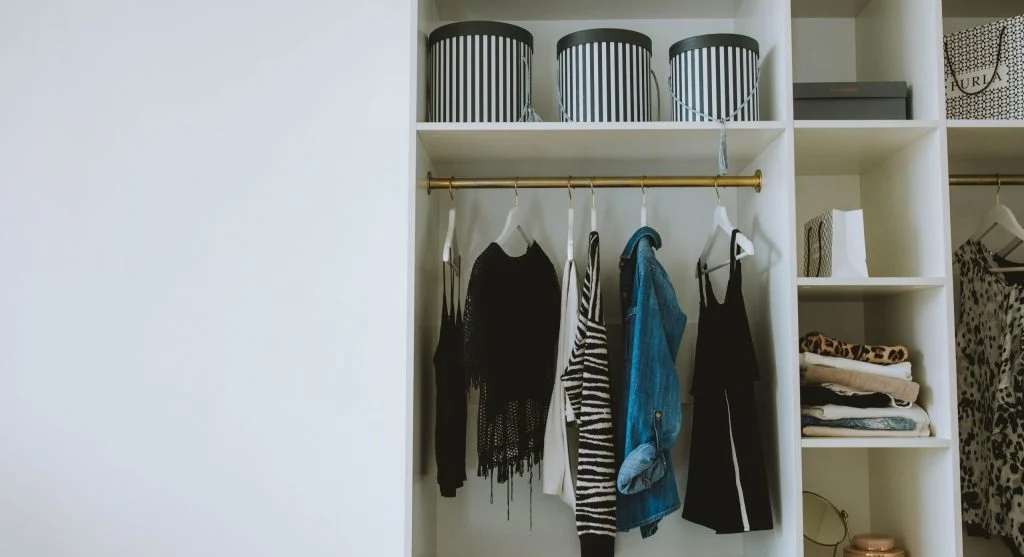
How a rotation zone reduces closet friction
Closet friction often comes from small repeated delays. Readers may know they own something useful, but they still have to search for it, pull it forward, or mentally reconnect it to the rest of the outfit. A rotation zone reduces that friction because the best options are already grouped in one place. The wardrobe stops asking the reader to rediscover its strongest pieces every morning.
This usually makes the closet feel calmer and more supportive right away. The clothing has not changed, but the path to using it has become much clearer.
Why this works especially well for repeat dressing
Most readers wear some version of the same successful outfit logic again and again, even when the exact clothing changes. A rotation zone supports that reality instead of resisting it. When the most useful tops, bottoms, and layers stay near each other, repeated daily dressing starts feeling more intentional and less accidental. The wardrobe becomes easier to repeat well.
This is one reason the zone often improves style confidence too. Readers stop feeling as though they are starting over every day. They begin dressing from the pieces that already have a strong record of working.
What belongs in the rotation zone
The strongest pieces for this zone are usually the ones that support several outfit combinations in the current moment. These may include the most-worn trousers, a few reliable shirts or tops, one or two repeat-use layers, and perhaps nearby shoes or accessories that frequently complete the same looks. The exact mix depends on the reader’s life, but the guiding rule stays simple: the zone should reflect real repeat use, not idealized style goals.
This is what keeps the area effective. Once it starts filling with occasional items, it stops acting like a working zone and starts becoming another general closet section.
Why a small zone works better than a large one
Readers sometimes assume bigger access areas must be better because they include more options. In practice, a smaller zone often works better because it preserves clarity. Too many pieces in the same “active” area can recreate the same confusion the zone was meant to solve. A focused section usually gives better results because it narrows the field to the clothing that most deserves quick access.
That smaller scale is what makes the system realistic. The reader can understand it quickly, use it repeatedly, and refresh it without turning the whole closet into a project.
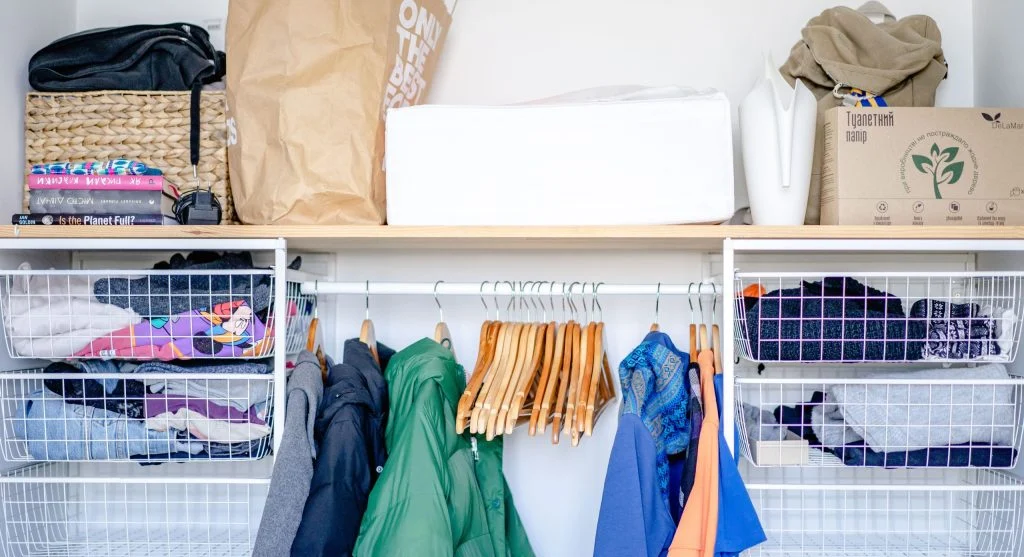
How this improves outfit speed in the morning
Morning dressing often depends on the first few easy decisions. If the strongest options appear immediately, the outfit usually builds faster and with less uncertainty. A rotation zone helps because it keeps the best current choices in front of the reader before lower-value options start pulling attention away. The wardrobe begins with its strongest answers instead of hiding them behind everything else.
This is especially useful on busy mornings, when readers do not need more visual noise. They need the most trustworthy clothing to appear first and work quickly.
Why a rotation zone can reveal wardrobe gaps more clearly
Once the strongest current-use pieces are grouped together, missing support items often become easier to spot. A reader may notice that the zone has enough tops but lacks one better everyday shoe, or that several useful bottoms all depend on one layer that is working too hard. This kind of clarity helps future organization and shopping because the wardrobe is now being viewed through real use rather than general assumption.
That is one of the biggest long-term benefits of the idea. The zone does not only make getting dressed easier. It also makes the wardrobe easier to understand honestly.
How often the zone should change
The zone does not need constant updating. It only needs to shift when the weather, schedule, or repeated outfit needs start changing enough that another set of pieces is doing more of the work. Some readers may refresh it weekly. Others may adjust it more slowly through the season. The important thing is that the zone stays connected to actual current use rather than becoming a fixed display that no longer reflects real dressing habits.
This flexibility is what keeps the system practical. The zone is not meant to be permanent. It is meant to stay useful.
Why this makes the closet feel calmer overall
Closets often feel overwhelming when every item seems to ask for equal attention. A rotation zone reduces that pressure by giving the wardrobe one active center of gravity. The reader can still use the rest of the closet, but the most helpful daily options no longer disappear into a larger crowd. That usually makes the wardrobe feel more supportive and less random even before any outfit is fully built.
For many readers, this is what makes the change so effective. The closet stops behaving like storage first and starts behaving like a tool for getting dressed more smoothly.
Frequently Asked Questions
Q: What is a wardrobe rotation zone?
A: A wardrobe rotation zone is a small closet section that holds the most useful current-use clothing pieces so they are easier to see, reach, and wear in daily life.
Q: Why does a rotation zone make favorites easier to wear?
A: It makes favorites easier to wear because it keeps the strongest daily pieces grouped together instead of letting them disappear among lower-use items in the wider closet.
Q: What should go in the rotation zone?
A: The best items are the tops, bottoms, layers, and sometimes shoes or accessories that are solving the most outfit problems right now and getting worn most often.
Q: How do I stop the zone from becoming cluttered?
A: Keep it small, fill it only with real current-use pieces, and refresh it when daily needs change so it stays active instead of turning into another general closet section.
Key Takeaway
One small rotation zone can make everyday wardrobe favorites feel easier to reach because it gives the closet an active space built around real current use instead of equal storage for everything. This reduces closet friction, improves morning outfit speed, and helps the strongest daily pieces do their work more consistently. For many readers, the easiest way to make a wardrobe more useful is not buying more clothing, but giving the best clothing a better place to live.

Related Posts

Why One Small Second-Choice Outfit Set Can Make Busy Mornings Feel Less Risky and More Manageable

Why One Small Always-Works Outfit Slot Can Make Daily Dressing Feel Faster and More Reliable