7 Outfit Repetition Myths That Can Make Daily Dressing Harder Than It Needs to Be
Many readers want a wardrobe that feels easier to use, but they also worry about looking repetitive. That fear often creates an odd problem. Instead of relying on the clothes that already work, they push themselves to wear different combinations every day, even when those outfits feel less comfortable, less polished, or harder to trust. Over time, this can make daily dressing more stressful than it needs to be.
Stylists often explain that outfit repetition is not the same as style failure. In fact, repeated outfits usually reveal which clothes truly support real life. The problem is not repetition itself. The problem is the myths around repetition that make useful clothing seem like something readers should avoid. Once those myths lose some of their power, many wardrobes become much easier to use well.
Why Outfit Repetition Is Often Misunderstood
Fashion is often shown through novelty. New looks, new drops, and constant visual change can make repetition seem like the opposite of style. Real life usually works differently. Most readers need clothing that can handle workdays, errands, weather changes, long hours, and ordinary routines. In that context, repetition often becomes a sign of practicality.
Wardrobe experts often note that the most-worn pieces in a closet are usually not there by accident. They are often the items with the best fit, the clearest function, and the easiest connection to the rest of the wardrobe. That is what makes outfit repetition more useful than many readers realize.
1. Myth: Repeating Outfits Means Your Wardrobe Is Too Small
This is one of the most common myths around daily style. Many people assume that repeating an outfit or outfit formula proves they do not own enough clothes. In reality, repetition often shows that the wardrobe contains strong pieces that are actually doing their job. A large wardrobe can still feel weak if the clothes do not work well together. A smaller set of dependable outfits can often perform much better.
Closet planners often explain that the goal is not constant variety for its own sake. The goal is owning clothes that support repeat wear without stress. Repetition often signals that readers have found pieces worth trusting.
2. Myth: Stylish People Never Rely on the Same Outfit Formulas
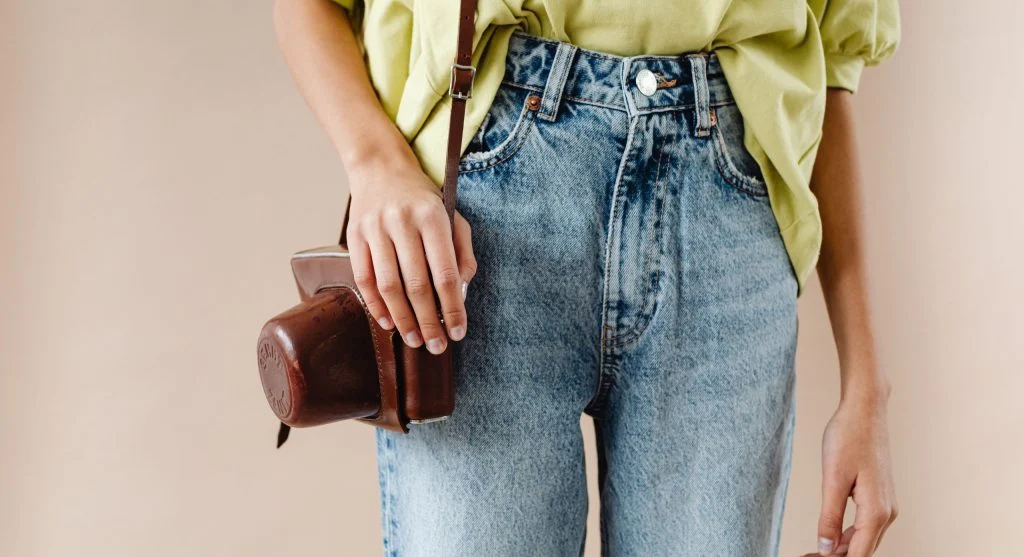
This belief makes many readers work much harder than necessary. In truth, many highly stylish dressers rely on repeated formulas all the time. They may return again and again to the same trouser shape, the same type of shoe, or the same outer layer structure. What changes is often only the color, fabric, or one supporting detail.
Style professionals often explain that consistency is what makes personal style visible. Repetition helps create a recognizable shape and rhythm, which often looks stronger than constant reinvention.
3. Myth: Repetition Always Looks Lazy
Readers often worry that wearing similar outfits will make it seem as though they are not trying. But a repeated look can still feel polished, thoughtful, and intentional when the fit is strong and the pieces are well chosen. In many cases, what looks lazy is not repetition. It is poor maintenance, weak fit, or clothing that never really worked in the first place.
A strong repeated outfit often looks more confident than an outfit built from uncertainty. Repetition becomes a problem only when the clothes feel neglected, not when the formula is clear.
4. Myth: Repeating Good Outfits Stops Personal Style From Growing
Some readers think they need to avoid repetition if they want their style to evolve. In reality, repeated outfits often create the best base for growth. Once readers know which silhouettes, shoes, and layers already work, they can adjust those formulas more thoughtfully. Personal style often grows best through refinement, not chaos.
A trusted outfit formula gives the reader something useful to work with. They can change the bag, shift the color palette, test a new jacket, or try a different shoe while keeping the rest of the structure familiar. That often creates steadier style progress.
5. Myth: You Have to Hide Repetition With Constant New Details
Many readers try to cover repetition by adding more accessories, more visible styling tricks, or stronger trend details. This often makes the outfit feel busier without actually improving it. Repetition does not always need to be disguised. In many cases, it looks better when it is worn with confidence and only one or two controlled changes.
Fashion editors often point out that over-editing repeated looks can create more problems than repetition itself. A calm repeated outfit often looks stronger than one trying too hard to appear completely different.
6. Myth: Repetition Only Works if the Outfit Is Very Neutral
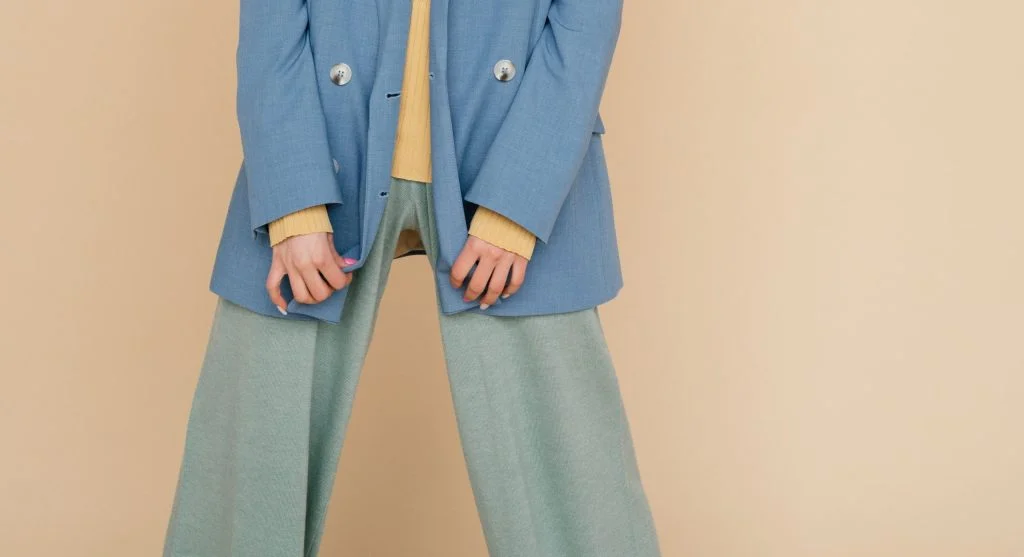
Neutral colors often help with repetition, but they are not the only way to make it work. Readers can repeat outfits successfully with olive, navy, soft blue, warm brown, muted prints, or other connected tones. What matters more is whether the colors support each other and suit the reader’s routine. A repeated outfit does not need to be colorless to be practical.
Wardrobe consultants often note that repetition works best when the clothing feels connected, not when it follows overly strict rules. Readers usually do better with a realistic palette than with one that feels too limited to enjoy.
7. Myth: Repetition Means You Stopped Paying Attention to Your Clothes
In many cases, the opposite is true. Repetition often means the reader has paid close attention and discovered what genuinely works. They know which trouser length feels right, which shoes solve the most problems, and which layers keep returning because they support real life. That kind of observation often creates smarter dressing, not weaker dressing.
Style grows stronger when readers learn from repetition instead of fearing it. The clothing that keeps working is often teaching the most important lessons about personal style.
What Repetition Actually Does for a Wardrobe
Repeated outfits reduce decision fatigue, improve shopping choices, and reveal which pieces deserve the most space in the closet. They also help readers stop chasing random variety and start building around what already performs well. Over time, this can make the whole wardrobe feel calmer and more connected.
That is why repetition often becomes one of the healthiest things a reader can allow in their style. It makes the wardrobe more honest. Instead of pretending every piece is equally useful, it shows clearly which clothes are actually carrying the week.
Frequently Asked Questions
Q: Is outfit repetition bad for personal style?
A: No. Outfit repetition often strengthens personal style because it reveals which shapes, colors, and formulas work best in daily life.
Q: Does repeating outfits mean I need more clothes?
A: Not necessarily. Repeating outfits often shows that your wardrobe already contains useful, dependable pieces that support real routine and comfort.
Q: How can repeated outfits still feel fresh?
A: They can feel fresh through small changes such as different layers, shoes, accessories, or fabric textures while the main outfit formula stays similar.
Q: What is the biggest benefit of outfit repetition?
A: One of the biggest benefits is reduced stress. Repeated outfit formulas usually make daily dressing faster, more consistent, and easier to trust.
Key Takeaway

Related Posts
Why One Steady Base Layer Shape Can Make Everyday Outfits Feel Easier to Build and More Polished
Why One Calm Outfit Anchor Can Make Everyday Looks Feel More Steady From First Piece to Last