7 Closet Zones That Can Make Getting Dressed Feel Faster and Less Random
Some wardrobes feel difficult not because they lack good clothes, but because they lack clear structure. A reader may own useful trousers, reliable tops, good shoes, and easy layers, yet still stand in front of the closet unsure what to wear. When everything sits together in one visual crowd, getting dressed can start to feel random instead of simple.
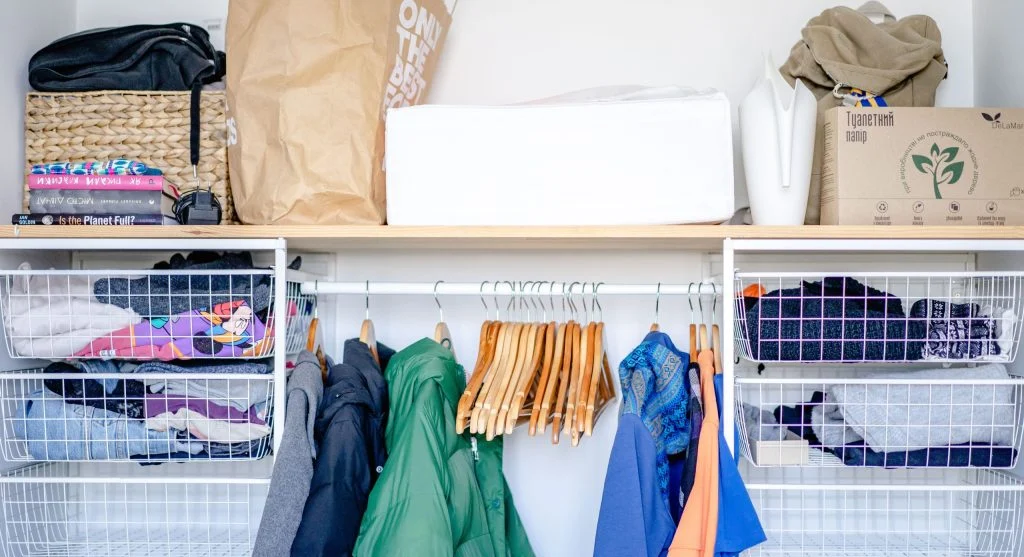
That is where closet zones can help. Instead of treating the wardrobe as one large space, readers can divide it into smaller sections based on how the clothes are actually used. These zones create a better daily flow. They help strong pieces stay visible, make outfit building faster, and reduce the frustration that comes from searching through too many unrelated choices at once.
Why Wardrobe Zones Work Better Than One Mixed Closet
When every item has the same level of visibility, the closet becomes harder to read. Daily essentials compete with occasional pieces. Seasonal layers crowd simpler clothing. Shoes worn once a month sit beside pairs used several times a week. The result is visual noise, and visual noise often slows down outfit decisions.
Closet organizers often explain that readers usually wear what they can see and understand quickly. A zoned closet creates that clarity. Instead of asking the eye to sort everything at once, it creates smaller sections with a clear purpose. That often makes the whole wardrobe feel easier to trust.
1. The Quick-Start Zone
The quick-start zone is the part of the closet that should answer one simple question: what can I wear right now with the least effort? This zone usually includes the tops, trousers, jeans, dresses, or shoes most often worn during a normal week. These are not always the most exciting pieces. They are usually the most dependable ones.
This zone works best when it stays in the easiest place to reach. Readers should not have to search for the pieces that already do the most work in daily life. By placing the strongest repeat items here, outfit planning often becomes much faster.
2. The Outfit-Builder Zone
The outfit-builder zone holds the pieces that help turn basics into complete looks. These may include better jackets, stronger knitwear, dependable layering shirts, or the shoes that usually finish an outfit properly. This zone is less about starting the look and more about strengthening what has already been chosen.
Readers often benefit from keeping this section close to the quick-start zone. Once the main clothing is selected, the eye can move directly to the second zone for the piece that completes the outfit. This creates a more natural dressing flow.
3. The Easy-Shoes Zone
Many wardrobes treat all shoes equally, but daily life rarely works that way. The easy-shoes zone should hold the pairs that repeat most often and solve the most outfit problems. These may include loafers, flats, simple sneakers, or low boots, depending on the reader’s routine and style.
Footwear specialists often note that good shoe visibility reduces outfit stress quickly. When dependable shoes are easy to find, more outfits become easier to finish without hesitation.
4. The Weather-Shift Zone
This zone is especially useful for readers who deal with changing temperatures. It can hold weather-ready layers such as light jackets, cardigans, overshirts, compact scarves, or similar pieces that help outfits adapt without becoming complicated. These clothes may not be needed every day, but when they are needed, they usually need to be found quickly.
The weather-shift zone helps prevent seasonal pieces from crowding the whole closet while still keeping them close enough to use. That balance can make dressing for uncertain weather much less tiring.
5. The Occasional-Wear Zone
Not every useful item belongs in the daily workflow. The occasional-wear zone can hold event clothing, rare shoes, specialty layers, or pieces that readers genuinely like but do not need to see every morning. Moving these items slightly out of the main dressing path can reduce clutter without removing them from the wardrobe entirely.
This often helps readers feel less overwhelmed. The closet still remains complete, but it no longer asks every item to compete for everyday attention.
Frequently Asked Questions
Q: What are closet zones?
A: Closet zones are separate sections of a wardrobe organized by real function, such as daily essentials, shoes, layers, occasional wear, or planning pieces.
Q: Why do closet zones make outfit planning easier?
A: They make outfit planning easier because they reduce visual clutter and help readers find the most useful clothes faster instead of searching through everything at once.
Q: Do I need a large closet to use closet zones?
A: No. Closet zones can work in small wardrobes too. The benefit comes from separating by purpose, not from having a large amount of space.
Q: What is the best closet zone to start with?
A: The best place to start is usually the quick-start zone because it improves the part of the closet that affects daily dressing most often.
Key Takeaway

Related Posts

Why One Small Second-Choice Outfit Set Can Make Busy Mornings Feel Less Risky and More Manageable
Why One Small Always-Works Outfit Slot Can Make Daily Dressing Feel Faster and More Reliable