
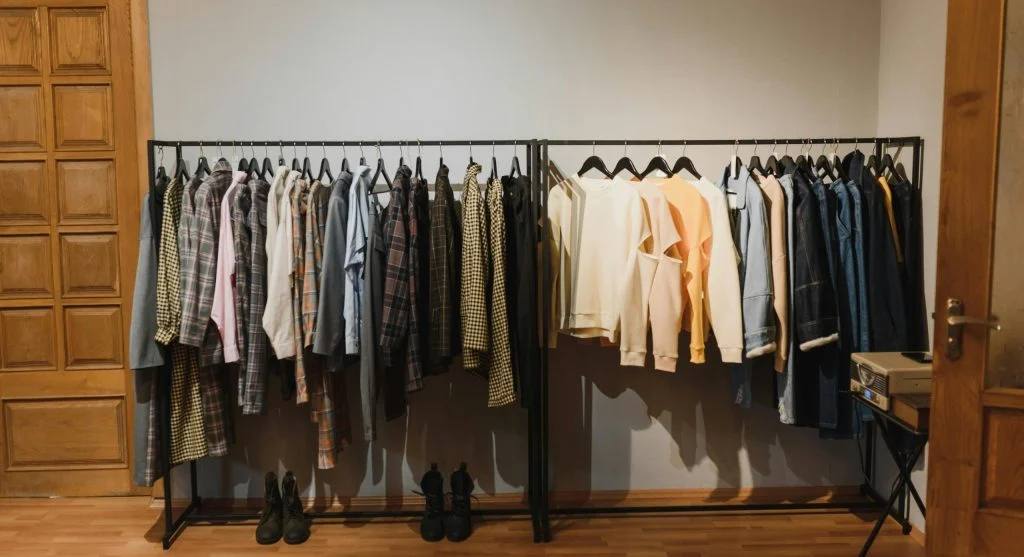
Why Keeping One Ready-to-Wear Outfit Column Can Make Busy Weekdays Feel Easier
Many wardrobes become difficult to use on busy weekdays because too many clothes compete for attention at the same time. Readers may own useful shirts, dependable trousers, practical shoes, and good layers, yet mornings still feel crowded because everything is presented as if it deserves equal daily focus. That often makes outfit planning slower than it needs to be.
One simple solution is creating a ready-to-wear outfit column inside the closet. This means keeping one narrow, highly useful section of the wardrobe reserved for the pieces most likely to build fast, repeatable weekday outfits. It is not a full capsule wardrobe, and it does not require removing the rest of the closet. It is simply a more practical way to organize the clothing that already does most of the weekly work.
What a Ready-to-Wear Outfit Column Actually Is
A ready-to-wear outfit column is a small, clearly visible section of the wardrobe that holds the pieces readers are most likely to reach for during ordinary weekdays. This may include one or two reliable tops, a useful knit, one good trouser, one denim option, a layer that sharpens the outfit, and the shoes that solve most daily outfit needs. The purpose is not variety for its own sake. The purpose is speed, clarity, and repeatable outfit success.
Closet organizers often explain that readers usually dress from what they can see and understand quickly. A ready-to-wear column makes that process easier by placing the strongest weekday pieces in one clean visual path.
Why Weekdays Often Expose Weak Wardrobe Systems
Weekend dressing can leave more room for experimentation, but weekday dressing usually depends on speed and trust. Work routines, errands, commuting, and tighter schedules often reduce the time available for building outfits from scratch. This is why weak closet structure becomes much more noticeable from Monday to Friday. The wardrobe may still contain good clothes, but the system around them may not support fast decisions very well.
A ready-to-wear column helps solve that by creating one clear starting point. Instead of scanning the entire closet, readers can begin where the most useful options already live.
How this wardrobe method reduces decision fatigue
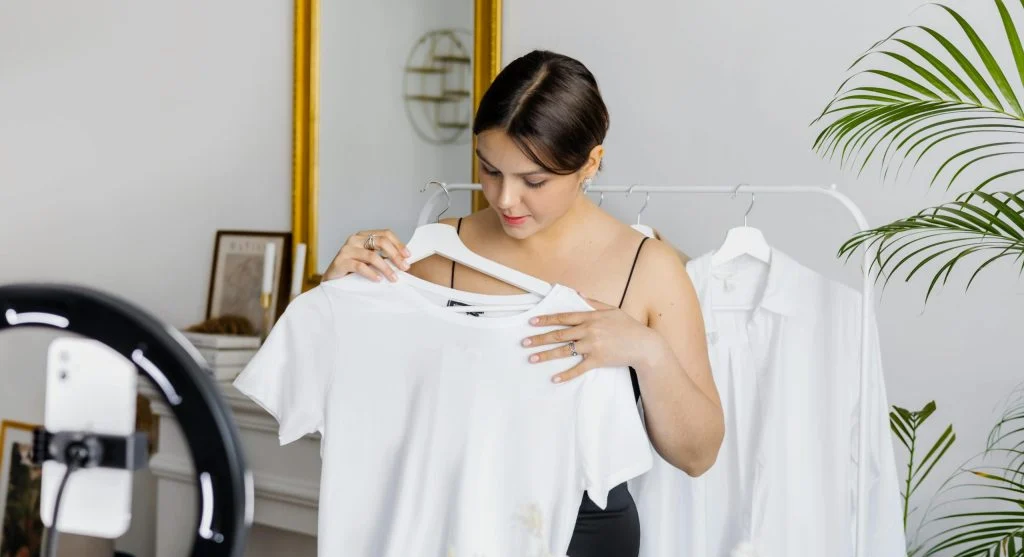
One of the biggest benefits of this system is that it reduces the number of active choices readers need to consider early in the day. When only the most useful pieces stay in the main weekday column, the brain does not have to sort through special-event items, narrow seasonal choices, backup layers, or clothing that only works in one exact situation. That reduction in visual noise often makes dressing feel calmer almost immediately.
Decision fatigue usually grows through small repeated choices, and clothing is one of the first places that pressure appears. A more focused column helps by narrowing the field before the reader even starts selecting an outfit.
What belongs in the column
The best pieces for a ready-to-wear outfit column are the ones that keep proving their usefulness. These may include a dependable shirt shape, one or two knitwear options, trousers that work across several tops, simple denim, one clean jacket or blazer, and shoes that fit normal weekday life. The exact pieces will differ from one wardrobe to another, but they should all meet the same standard: easy to wear, easy to combine, and easy to trust under time pressure.
This is not the place for clothes that are only attractive in theory. It is the place for the wardrobe’s real workers.
Why shoes should stay close to the column
Shoes often decide whether a weekday outfit still works. A good shirt and trouser can quickly lose clarity if the shoe choice feels uncertain at the last minute. That is why the best footwear options should remain visually connected to the ready-to-wear column whenever possible. The reader should be able to build the outfit and finish it in one smooth sequence rather than starting over when the shoe question appears.
Footwear specialists often note that dependable daily shoes reduce more outfit stress than readers expect. When those shoes stay easy to reach, more combinations feel usable with less effort.
How the column improves repeat wear
Many readers want their best pieces to repeat naturally, but the wardrobe does not always make that easy. A ready-to-wear column supports repeat wear because it keeps the strongest items in rotation instead of letting them disappear behind lower-value choices. This usually helps the reader recognize which clothes actually carry the week and which pieces are only taking up visual space.
Repeat wear is often a sign that the wardrobe is functioning well. This system helps that process feel more intentional rather than accidental.

Why this method still allows variety
Some readers worry that a smaller working column will make outfits feel repetitive. In reality, the opposite often happens. Because the strongest pieces are already grouped together, readers can see more clearly how one top changes the mood of one trouser, how one layer sharpens the look, or how one shoe shifts the outfit direction. The wardrobe may contain fewer visible weekday choices in that one section, but the combinations often become easier to see.
This kind of practical variety usually feels more useful than a larger amount of scattered choice that slows everything down.
How to build the column without reorganizing everything
Readers do not need to rebuild the whole closet in one day. A useful first step is simply noticing which pieces have been worn most often in the last two or three weeks. Those items usually reveal the natural beginning of the column. Once those pieces are identified, they can be moved into one continuous section of the wardrobe. From there, the reader can add one or two support pieces that strengthen weekday outfit planning even more.
This process is less about perfection and more about honesty. The column should reflect what truly works, not what the reader wishes they wore more often.
Why this system often improves shopping decisions
Once a ready-to-wear column exists, it becomes much easier to see what the wardrobe actually needs. The reader may notice that the column has enough tops but needs one more dependable shoe, or that one better outer layer would support several looks already in use. This often reduces random shopping and creates better buying decisions because the closet’s strengths and gaps are easier to read.
Wardrobe planning improves when the most active part of the closet becomes visible. The reader stops shopping from guesswork and starts shopping from real use.
Why a ready-to-wear column makes weekdays feel easier
The real benefit of this system is not only organization. It is relief. Weekday mornings often ask for speed, comfort, and reasonable polish all at once. When the best pieces already sit together in one clear section, the wardrobe becomes easier to trust. The reader spends less time searching and more time dressing from a structure that already works.
For many people, that is exactly what makes the system valuable. It does not make the closet smaller. It makes the closet smarter.
Frequently Asked Questions
Q: What is a ready-to-wear outfit column?
A: A ready-to-wear outfit column is a focused section of the wardrobe that holds the most useful weekday clothing pieces so readers can build daily outfits faster and with less stress.
Q: What should go into the column?
A: It should include dependable tops, useful trousers or denim, easy layers, and shoes that support ordinary weekday life. The best pieces are usually the ones already worn most often.
Q: Will this make my outfits feel repetitive?
A: Not necessarily. The column usually improves outfit variety by making strong combinations easier to see, even though it limits the number of active choices in the main weekday section.
Q: Do I need a large wardrobe to use this method?
A: No. This method can work in small or large wardrobes because it depends on separating the most useful pieces into one clear working area, not on having a large amount of clothing.
Key Takeaway
A ready-to-wear outfit column can make busy weekdays feel easier because it keeps the most useful clothing pieces in one clear, dependable section of the wardrobe. This reduces decision fatigue, supports repeat wear, and makes outfit planning faster without shrinking the closet. For many readers, the easiest way to improve weekday dressing is not adding more choices, but organizing the best ones more intelligently.

Related Posts

Why One Small Second-Choice Outfit Set Can Make Busy Mornings Feel Less Risky and More Manageable

Why One Small Always-Works Outfit Slot Can Make Daily Dressing Feel Faster and More Reliable