Why Seasonal Looks Work Better When Layers Do Most of the Work
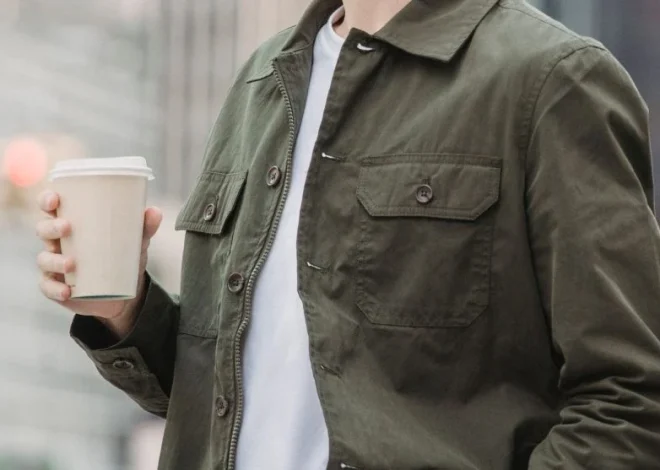
Seasonal looks often feel easiest when layers do most of the work. The weather rarely stays consistent throughout the day, especially in spring and fall. A cool morning, a warmer afternoon, and a breezy evening can make one-piece dressing feel limiting. That’s why seasonal dressing usually works better with removable layers instead of major outfit changes.
Fashion editors, retail analysts, and wardrobe stylists often explain that strong transitional dressing depends less on dramatic trends and more on practical combinations. A light jacket, fine knit, plain shirt, or easy cardigan can help seasonal looks stay useful without making the outfit feel overdone.
Why seasonal looks depend on flexibility
One of the biggest challenges in seasonal dressing is that temperatures can shift faster than an outfit can. Clothing that feels right at 8 a.m. may feel too warm by midday. At the same time, outfits that start too light may feel unfinished when wind, rain, or evening coolness arrives. Seasonal looks need flexibility because the weather is rarely steady.
Stylists often point out that flexible outfits are easier to repeat. A reader may not need a completely new wardrobe for changing seasons. In many cases, better layering solves the problem more effectively.
How layers improve seasonal looks without adding bulk
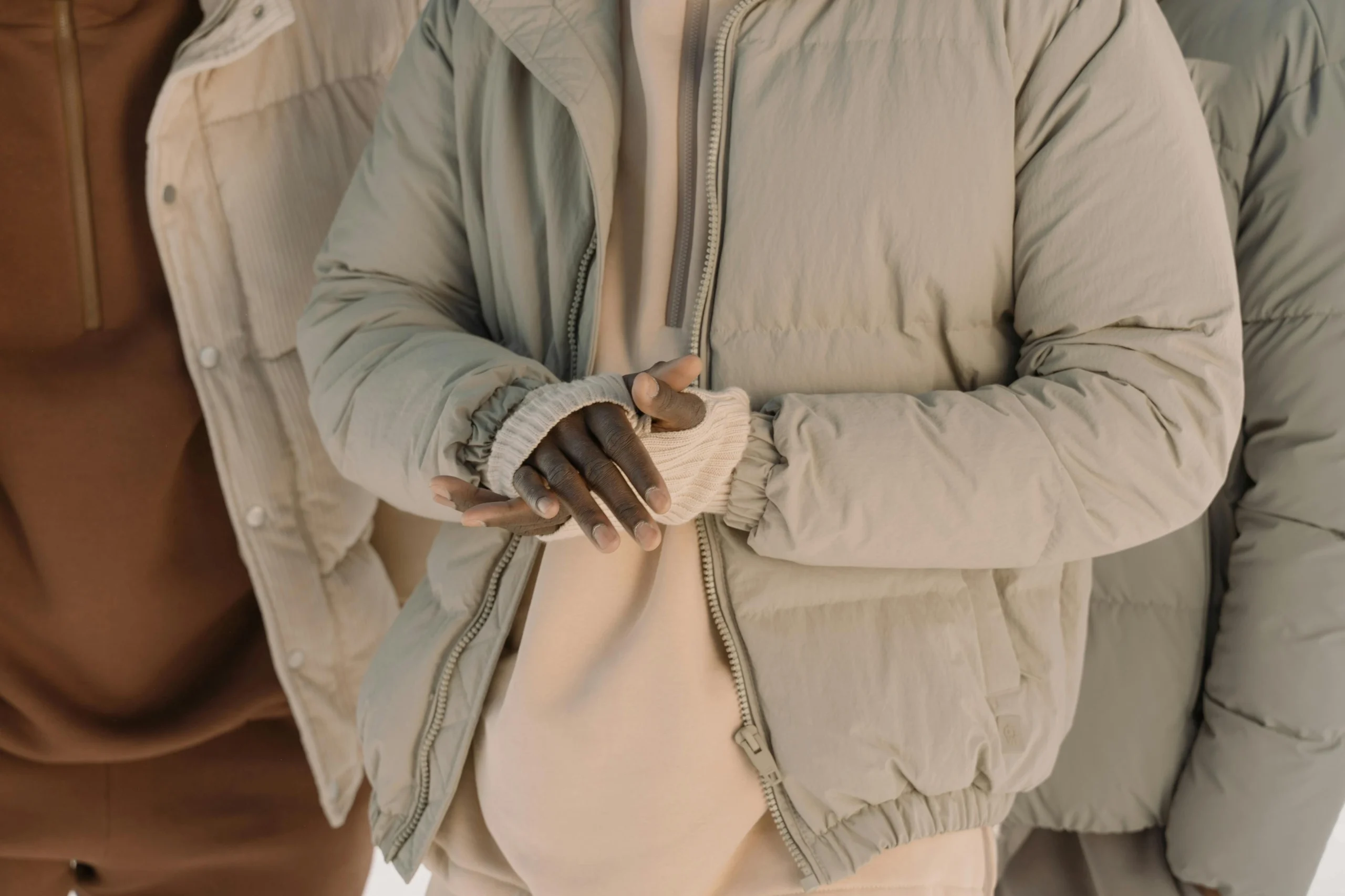
Layers work best when each piece has a clear purpose. A shirt can create the base, a knit can add warmth, and a jacket can provide structure and protection. When these pieces are light enough, they can be added or removed without making the outfit feel heavy.
Seasonal looks often become less practical when every layer is thick or oversized. Fashion professionals usually recommend lighter fabrics during transitional periods because they help the outfit stay balanced as the day changes.
Credit: cottonbro studio / Pexels
Which pieces usually matter most in layered outfits
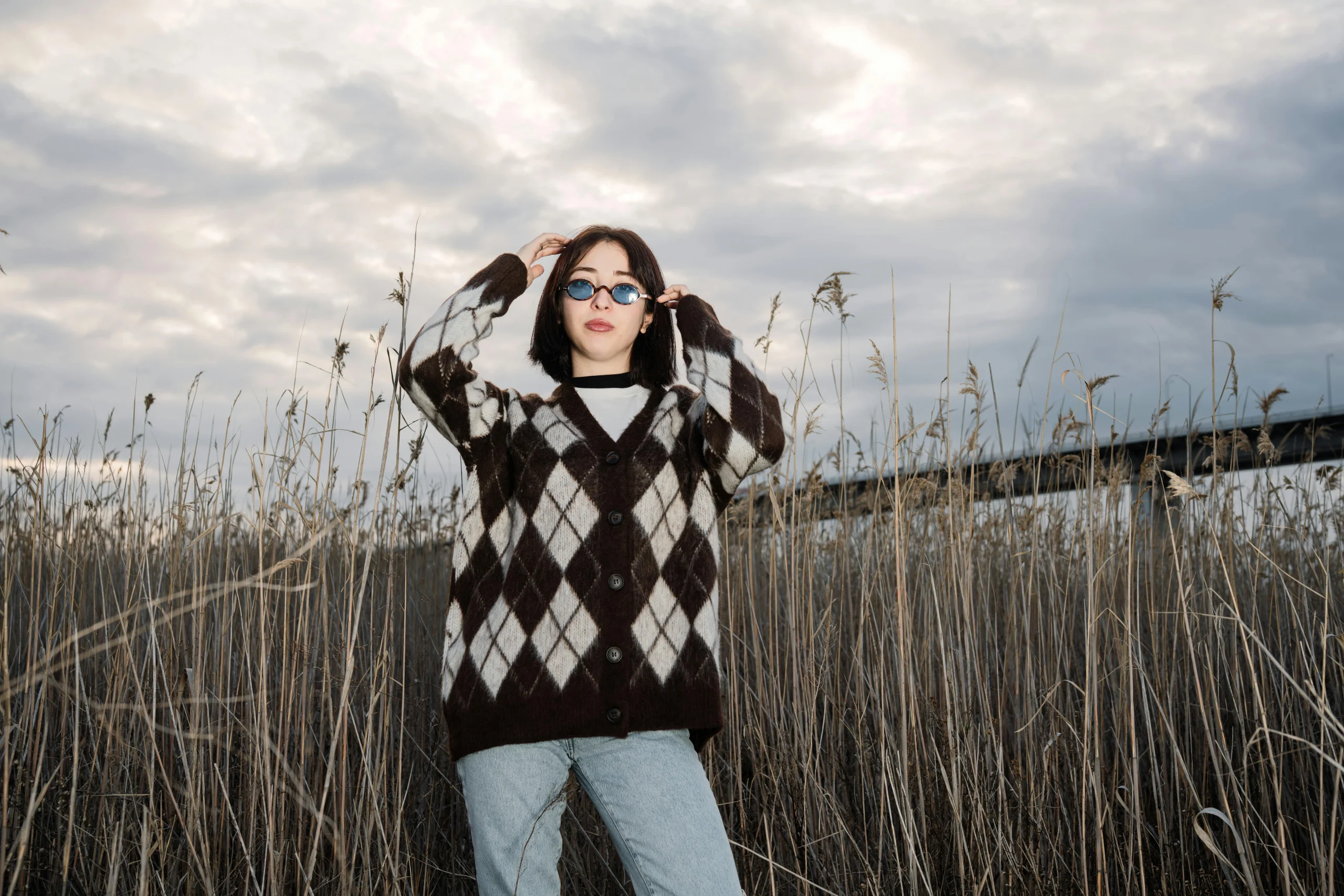
Some items play a bigger role in seasonal looks than others. Light trench coats, denim jackets, cardigans, blazers, overshirts, and fine knitwear often appear again and again because they adapt well to changing weather. They can sharpen an outfit without making it feel like winter clothing.
Wardrobe planners often favor these pieces because they connect easily with basics already in the closet. One jacket or knit can support denim, dresses, skirts, or trousers across several weeks of weather changes.
Why simple colors help seasonal dressing
Color becomes even more important in layered outfits because several pieces are visible at the same time. Neutral and soft tones often help seasonal looks feel cleaner and easier to build. Shades such as beige, white, gray, navy, olive, denim blue, and soft brown usually mix with little effort.
This does not mean every outfit must stay muted. One accent color can still lift the look. Still, seasonal dressing often feels more practical when the main layers already work together before any accent is added.
How layered outfits stay polished instead of messy
Layering can quickly look messy when too many bulky or unrelated pieces are stacked together. The strongest seasonal looks usually keep the shapes clear. For example, if the outer layer is loose, the inner layers often work better when they stay closer to the body. This helps the outfit keep a readable structure.
Fashion editors often say that polished layering depends on proportion more than quantity. Readers usually need fewer better-fitting layers, not more pieces overall.
Why shoes matter in seasonal looks
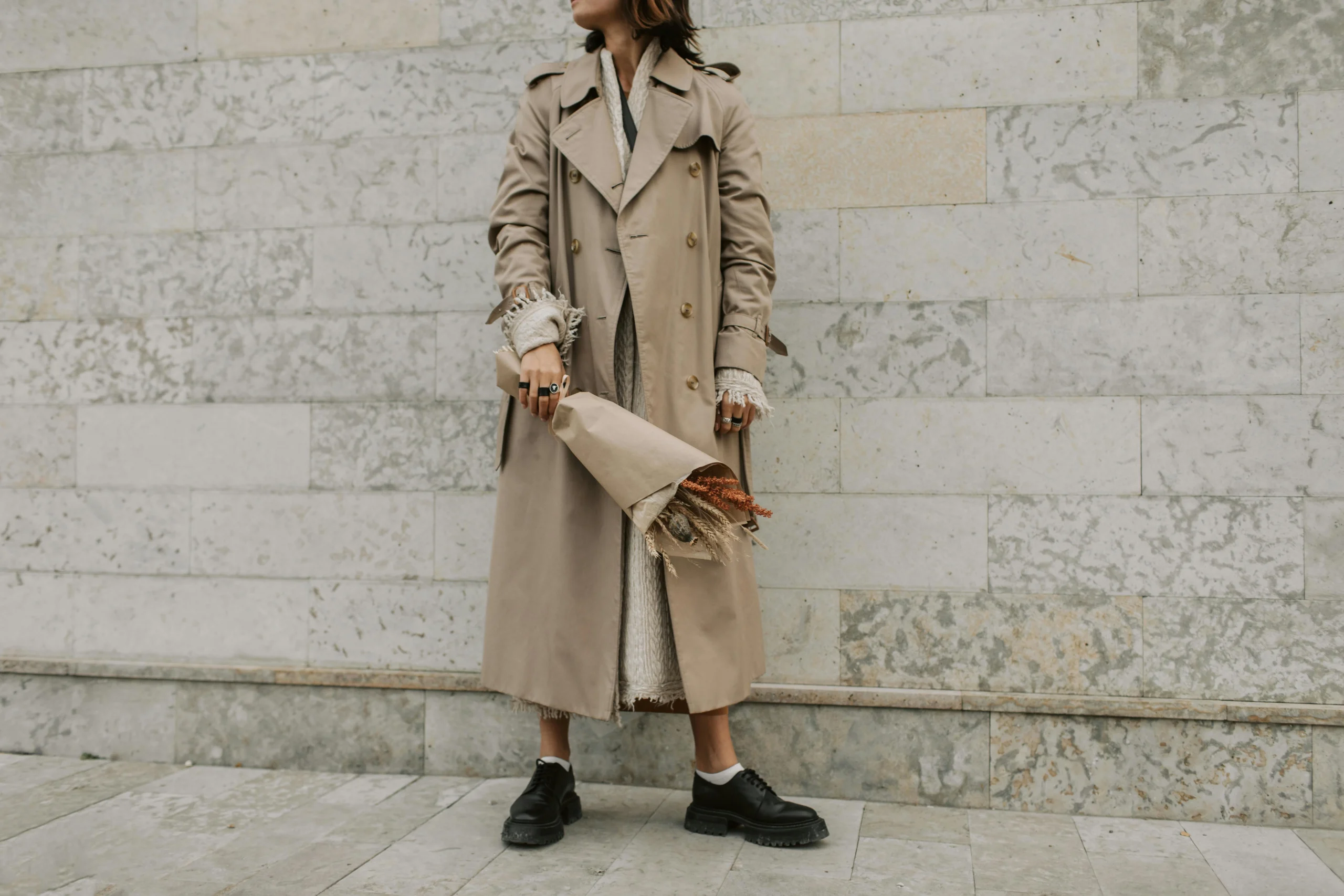
Shoes often decide whether a seasonal outfit feels grounded. Loafers, low boots, flats, clean sneakers, and weather-ready shoes can all work, but the best option depends on temperature, walking needs, and how polished the outfit should feel. A strong layered outfit can still feel off if the shoe does not support the season or the outfit mood.
Style watchers often note that footwear is one of the easiest ways to shift seasonal dressing. A sneaker may make the outfit feel more relaxed, while a loafer or boot can sharpen it quickly.
Credit: cottonbro studio / Pexels
How to make seasonal looks easier to repeat
The easiest seasonal looks usually come from outfit formulas that can be repeated. A shirt with a cardigan and straight trousers, a dress with a denim jacket and flats, or a knit with a blazer and jeans can all work across different days with small changes. Repeatable formulas reduce stress because the reader already knows the combination works in real life.
Wardrobe consultants often recommend noticing which transitional outfits get worn most often. Those combinations usually show the clearest direction for future seasonal dressing.
Why seasonal dressing does not need a full wardrobe reset
Many readers assume every new season requires a major closet change, but that is not always true. Seasonal looks often improve through rotation rather than full replacement. The base wardrobe can stay the same while fabric weight, outer layers, and shoes shift around it.
Retail behavior analysts often note that small adjustments create more useful wardrobes than constantly starting over. A better system usually matters more than a bigger closet.
What makes layered outfits feel comfortable all day
Comfort matters because seasonal looks need to last through changing conditions, not just look good for a short moment. Breathable fabrics, manageable fits, and layers that are easy to carry all help. Clothing that becomes too hot, stiff, or bulky can make the outfit feel less practical as the day goes on.
Practical seasonal dressing often works best when the layers move with the day instead of fighting against it. Readers usually benefit most from outfits that adjust smoothly.
Frequently Asked Questions
Q: Why do seasonal looks work better with layers?
A: Seasonal looks work better with layers because weather can shift quickly through the day. Layers make it easier to stay comfortable without changing the whole outfit.
Q: What are the best layers for changing weather?
A: Some of the best layers for changing weather include light jackets, cardigans, blazers, overshirts, and fine knitwear. These pieces add flexibility without too much bulk.
Q: How can layered outfits avoid looking bulky?
A: Layered outfits usually look less bulky when the fabrics are light and the proportions stay clear. Fewer well-fitting layers often work better than several thick ones.
Q: Do seasonal looks require different clothes every season?
A: No. Seasonal looks often rely on the same core basics with different outer layers, fabrics, and shoes. Small adjustments usually matter more than a full wardrobe reset.
Key Takeaway
Seasonal looks usually work best when layers carry most of the outfit’s flexibility. Light jackets, fine knits, calm colors, and practical shoes can make changing weather easier to handle without making the wardrobe feel complicated. For many readers, seasonal looks become more wearable when layered outfits stay simple, balanced, and easy to repeat.