8 Seasonal Looks That Can Make Changing Weather Outfits Feel More Practical
Seasonal looks often matter most when the weather changes more than once in the same day. Many readers know how difficult it can be to dress for a cool morning, a warmer afternoon, and a breezy evening without feeling too heavy or too exposed at some point. This is why changing weather outfits usually work best when they are built for adjustment instead of perfection.
Fashion editors, wardrobe planners, and retail stylists often explain that transitional dressing usually feels easier when it relies on a few practical outfit patterns. Light layers, calm colors, and dependable shoes often do more than dramatic seasonal styling when real life keeps shifting the conditions around the outfit.
Why seasonal looks should stay practical
Seasonal dressing often becomes harder when readers expect one outfit to handle every weather condition at once. That can lead to bulky layers, too many pieces, or combinations that feel harder to move in later. Seasonal looks usually work better when they begin with a useful base and then add one or two flexible parts that can change with the day.
Wardrobe experts often note that practical seasonal outfits are usually the ones readers repeat most. When a look can move from morning to evening without much stress, it becomes far more valuable than an outfit that only works for one short part of the day.
1. Light trench with a knit top and straight trousers
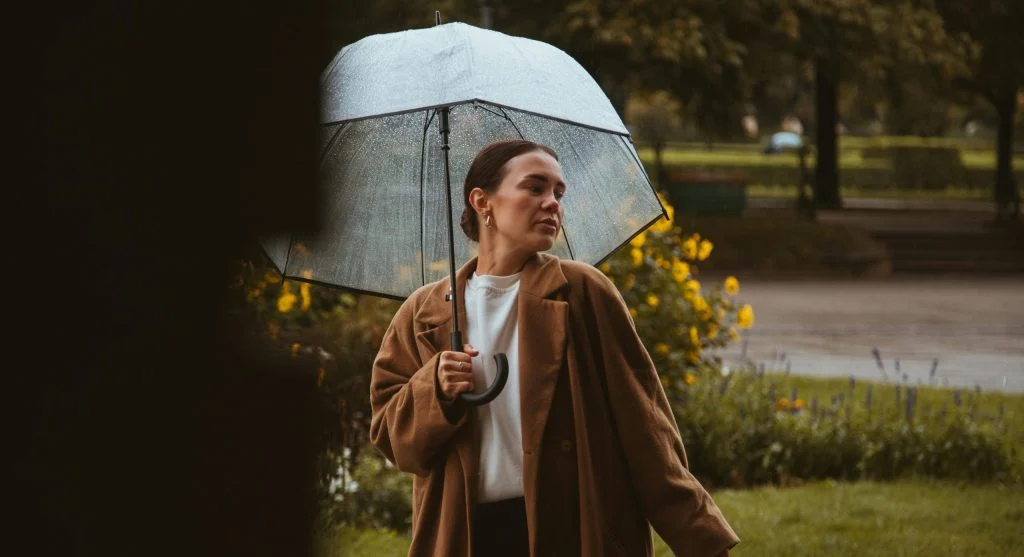
This is one of the most dependable seasonal looks because it feels structured without becoming heavy. A light trench can be removed or carried easily, while the knit top and straight trousers keep the base outfit balanced underneath. The look works well for workdays, errands, or lunch plans when the forecast feels uncertain.
Stylists often recommend this combination because it creates a polished outline while still allowing the outfit to shift later. The trench adds flexibility without taking over the whole look.
Credit: Bastian Riccardi / Pexels
2.Cardigan over a plain shirt with relaxed denim
A cardigan can be one of the most useful transitional layers because it adds warmth without too much structure or bulk. Worn over a plain shirt and paired with relaxed denim, it creates an outfit that feels easy to adjust and simple to repeat throughout the week.
Fashion editors often note that this kind of layered combination works well because each piece can stand on its own. If the cardigan comes off later, the outfit still makes sense.
3. Midi dress with a denim jacket and flats
This formula works well because it mixes softness with support. The dress keeps the outfit light, the denim jacket adds practical coverage, and the flats help the look stay comfortable for longer hours. It is one of those seasonal looks that can move through different settings without much effort.
Wardrobe planners often explain that mixed-texture combinations succeed because they stay balanced. The softer base and more structured outer layer support each other well.
4. Blazer with a T-shirt, jeans, and loafers
A blazer can make transitional dressing feel easier because it adds structure without requiring winter-level warmth. Worn over a simple T-shirt and jeans, it gives the outfit a more polished shape while still staying practical enough for everyday use. Loafers often complete the look without making it feel overworked.
Stylists often point out that this outfit works because the blazer sharpens the basics while the T-shirt and jeans keep everything relaxed enough for real life.
5. Fine knit with cropped trousers and simple sneakers
Some seasonal looks work best when they stay especially light. A fine knit with cropped trousers and simple sneakers can feel ideal when the weather sits between warm and cool. The knit provides just enough softness, while the cropped hem and lighter shoes keep the outfit from feeling too heavy too soon.
Retail stylists often mention that lighter transitional outfits are often the easiest to repeat because they leave more room for comfort as temperatures change through the day.
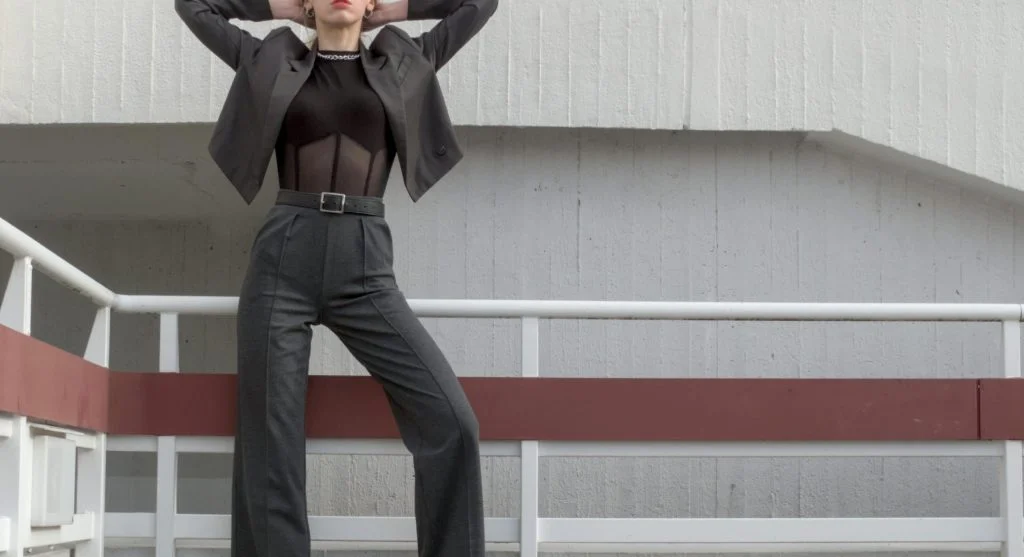
Credit: Simon Schlee / Pexels
6. Matching set with one removable outer layer
A matching set can simplify changing weather outfits because the main coordination work is already done. Adding one removable outer layer, such as a trench, relaxed blazer, or cardigan, creates enough flexibility for different temperatures throughout the day. It also makes the full look feel polished without much planning.
Fashion editors often note that matching sets are especially useful during transitional periods because the pieces can be worn together or separated later with basics already in the closet.
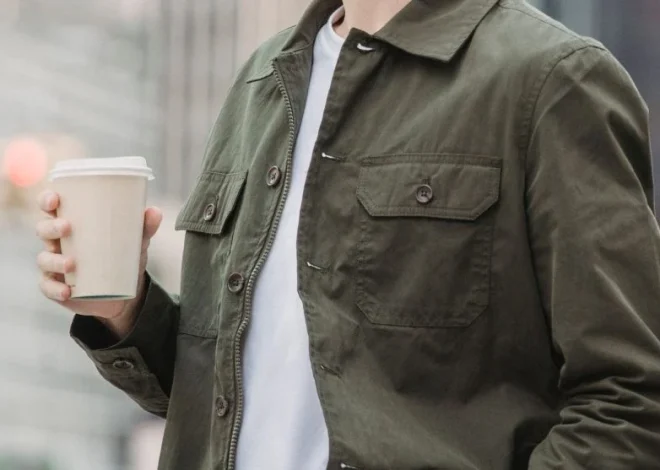
7. Overshirt with a tank or tee and straight-leg pants
An overshirt is a useful option for readers who want something lighter than a jacket but stronger than a cardigan. Worn over a tank or simple tee with straight-leg pants, it creates a practical layered outfit that feels easy to adjust once the day warms up. This kind of look is especially useful when the weather feels mildly unpredictable rather than fully cold.
Style professionals often recommend overshirts because they combine comfort and structure in a way that works well for practical seasonal dressing.
8. Plain shirt with a sweater carried for later
Sometimes the best seasonal look is not the one with the most visible layers. A plain shirt with trousers or denim can already form a good outfit on its own. Carrying a sweater in a tote or over the shoulders gives the reader a practical extra option without making the base outfit feel too warm too early in the day.
Wardrobe specialists often explain that this approach works because it leaves room for change. Instead of forcing the full outfit to solve every condition at once, it prepares quietly for what may happen later.
How these seasonal looks keep outfits more practical
These seasonal looks work because they rely on simple structure. Each one starts with a base outfit that can still function if a layer comes off. That kind of planning often makes changing weather outfits easier to trust. The clothing does not need to be dramatic. It needs to stay useful through several parts of the day.
Over time, readers usually find that practical seasonal dressing depends more on repeatable formulas than perfect weather choices. Once a few strong combinations are clear, the whole season becomes easier to dress for.
Frequently Asked Questions
Q: What makes seasonal looks practical in changing weather?
A: Seasonal looks often feel practical when they use a complete base outfit, light removable layers, and shoes that support different parts of the day. Flexibility usually matters most.
Q: How can changing weather outfits stay comfortable?
A: Changing weather outfits usually stay comfortable when the fabrics are lighter, the outer layer can come off easily, and the shoes match both the weather and the schedule.
Q: Do seasonal looks require completely different clothes?
A: No. Many seasonal looks can be built from the same wardrobe basics with different layers, shoes, and slightly adjusted outfit formulas.
Q: Why are outfit formulas helpful in transitional dressing?
A: Outfit formulas help because they reduce guesswork. Once readers know which layered combinations work well, mornings become easier and the outfit becomes simpler to adjust later.
Key Takeaway
Seasonal looks usually feel more practical when they start with a complete base outfit and use lightweight layers that can adapt throughout the day. Dependable shoes, calm colors, and repeatable outfit formulas often make dressing for changing weather much easier. For many readers, the strongest seasonal looks are the ones that continue to work comfortably even after the weather changes again.