
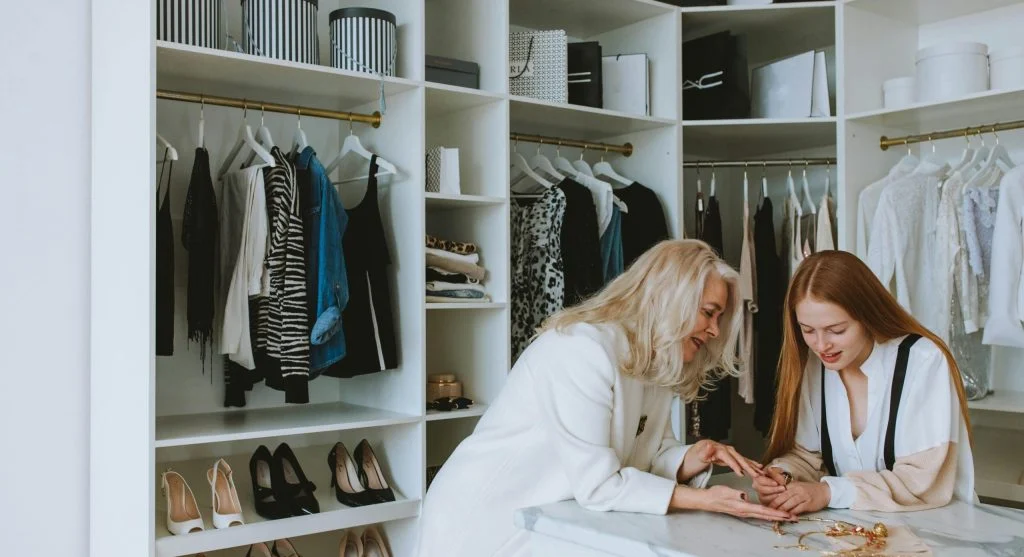
8 Wardrobe Tips That Help Clothes Work Better Across the Whole Week
Wardrobe tips are most useful when they help clothes work for more than just one day. Many readers can put together one decent outfit, yet the closet still starts to feel difficult by the middle of the week. Pieces stop matching easily, shoes feel too limited, and getting dressed begins to take more effort than it should.
Closet organizers, stylists, and wardrobe planners often explain that the strongest wardrobes are built for repeat use, not one-time success. A practical closet should help readers move through workdays, errands, social plans, weather changes, and tired mornings without needing constant new ideas. That is why useful wardrobe tips often focus on how clothes perform across several days, not just one outfit at a time.
Why Wardrobe Tips Should Focus on the Whole Week
A closet may look good when viewed as individual pieces, yet still fail during normal weekly use. The reason is often a lack of structure. There may be enough tops but not enough bottoms that connect with them, enough shoes but not enough pairs that support several looks, or several interesting items but too few basics holding everything together.
Wardrobe specialists often note that a useful closet should create momentum through the week. Each item should make the next outfit easier, not harder. When clothing works well together over several days, daily dressing feels more stable and less stressful.
1. Keep Your Strongest Basics at the Center of the Closet
One of the best wardrobe tips is making sure the most dependable pieces are the easiest to reach. These often include plain shirts, useful knitwear, straight trousers, dark denim, simple dresses, and practical outer layers. If these items are buried behind occasional pieces, the closet becomes harder to use even when it is technically full.
Professional organizers often point out that visibility shapes habit. Readers usually wear what they can see quickly. When strong basics stay central, outfit planning becomes easier from Monday through the end of the week.
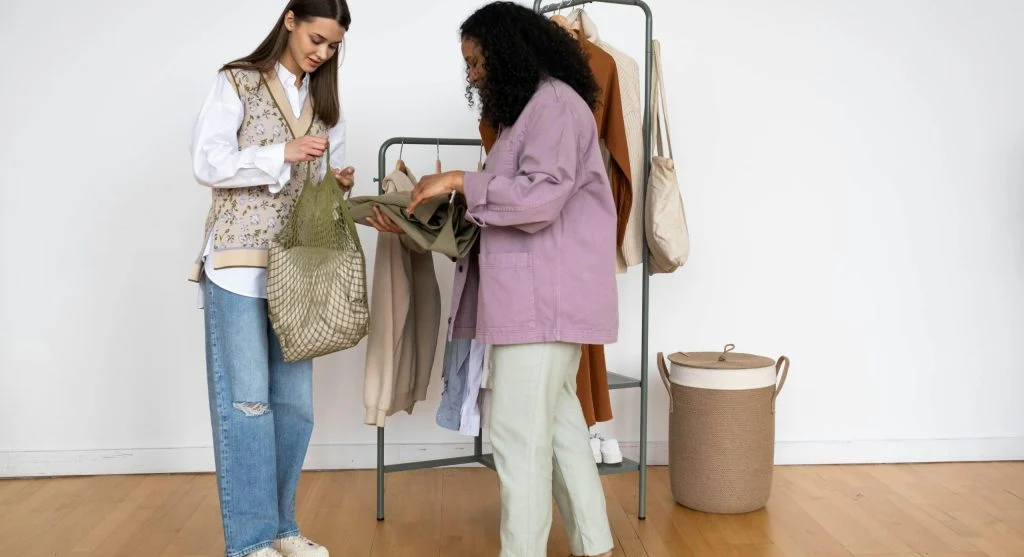
Credit: Ron Lach / Pexels
2. Build Outfit Planning Around Repeat Wear, Not Newness
Many people judge clothing by how exciting it feels when it is first worn, but weekly dressing usually works better when pieces can repeat easily. A pair of trousers that works with three tops, a knit that fits several bottoms, or a jacket that can move across different shoes has more real value than a striking item that only supports one look.
Wardrobe planners often explain that repeat wear is a sign of success, not limitation. Clothing that can return several times in one week without feeling forced is usually what makes a closet feel dependable.
3. Use a Calm Color Base to Make Combinations Easier
Closet structure becomes much stronger when the main colors connect naturally. Neutral and calm shades such as black, navy, gray, beige, white, olive, and denim blue often make weekly outfit planning easier because several pieces can mix without much thought.
This does not mean color has to disappear. Accent shades can still appear in bags, shoes, knitwear, or shirts. The key is making sure the main wardrobe pieces already work well together before accents are added.
4. Make Sure Each Main Piece Works in at Least Three Outfits
One of the most practical wardrobe tips is checking whether a clothing item can fit into at least three real outfits. This helps show whether a piece is supporting the closet or only taking up attention. If a piece works in several combinations, it is much more likely to help the wardrobe across the full week.
Retail behavior specialists often note that clothing earns its place through repeated use. A garment that looks strong on its own but does not connect with the rest of the closet may have less value than expected in daily life.
5. Keep a Few Weekly Outfit Formulas Ready
Outfit formulas reduce decision fatigue because they remove the need to create a fresh look every morning. A reader might rely on shirt plus trousers plus loafers, knitwear plus denim plus sneakers, or dress plus jacket plus flats. These formulas can repeat with small changes in color or layering.
Stylists often point out that strong weekly style usually comes from familiar structures rather than constant creativity. When a few formulas already work, the wardrobe feels easier to trust from the first day of the week to the last.
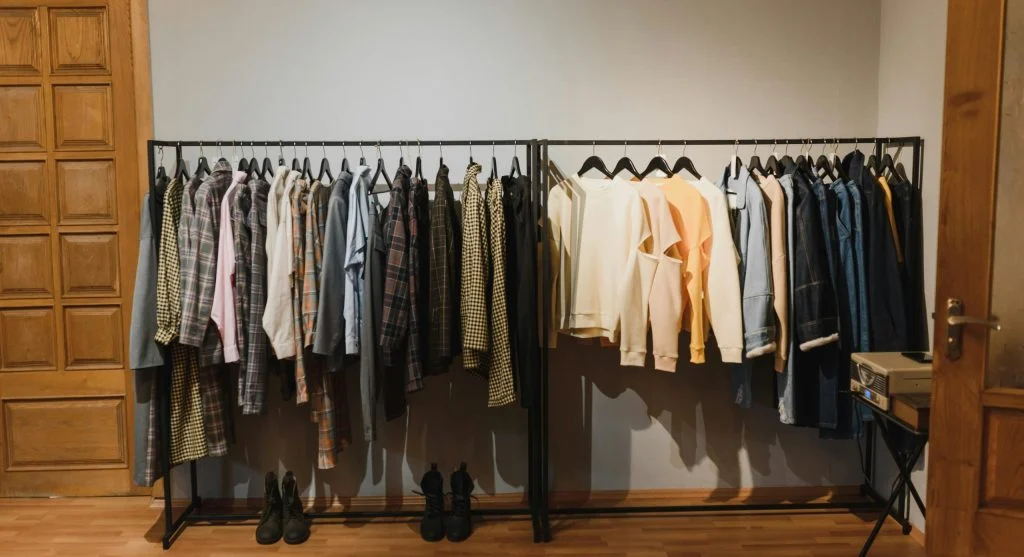
Credit: Arina Krasnikova / Pexels
6. Let Shoes Support Several Days, Not One Outfit
Shoes have a major effect on whether the wardrobe works well across the week. A few dependable pairs that support trousers, denim, dresses, and layers usually offer more value than many shoes that only fit one specific look. Loafers, simple sneakers, low boots, and flats often become the strongest repeat-wear options.
Footwear specialists often explain that useful shoes must work in both style and routine. They should match the clothing, but they should also support walking, weather, and the pace of the day. This helps weekly outfit planning stay practical instead of frustrating.
7. Review What Interrupts the Week and Move It Back
Some items cause repeated wardrobe problems because they need too much attention. They may be hard to match, difficult to wear for long hours, or unsuited to real daily plans. These pieces may not need to be removed entirely, but they often should not take up central space in a weekly wardrobe setup.
Closet organizers often recommend separating occasional pieces from high-use pieces. This keeps the wardrobe clearer and helps useful clothing stay visible during busy weeks when quick choices matter most.
8. Reset the Closet Lightly at the End of the Week
A small weekly review can make the wardrobe stronger over time. This might include returning misplaced items, noticing what was worn most, checking which outfits were easiest, and identifying what caused stress. These small resets help readers improve closet structure without turning wardrobe care into a major project.
Wardrobe experts often suggest light weekly maintenance because it keeps useful habits visible. A closet that is adjusted in small ways stays easier to use than one left untouched until it feels overwhelming.
9. How These Wardrobe Tips Make Repeat Wear Feel Easier
Repeat wear usually becomes easier when the closet is built around connection rather than variety alone. Once colors mix smoothly, shoes support several outfits, and formulas are clear, the same wardrobe begins to feel larger and more flexible. Readers often realize they do not need more clothing. They need better structure.
Over time, these wardrobe tips can reduce both morning stress and unnecessary shopping. A closet that performs well across the whole week usually makes daily dressing feel calmer, more practical, and more predictable in a good way.
Frequently Asked Questions
Q: What are the most useful wardrobe tips for weekly outfit planning?
A: The most useful wardrobe tips for weekly outfit planning usually include keeping basics visible, using repeatable outfit formulas, choosing connected colors, and making sure key pieces work in several combinations.
Q: Why does repeat wear matter so much in a wardrobe?
A: Repeat wear matters because clothing becomes more valuable when it can support several days and several outfit types. A useful wardrobe depends on repeated success more than one-time impact.
Q: How can closet structure improve daily dressing?
A: Closet structure improves daily dressing by making useful pieces easier to see, easier to combine, and easier to trust. Better organization usually reduces morning stress quickly.
Q: Do wardrobe tips mean owning fewer clothes?
A: Not always. Good wardrobe tips usually mean making clothing choices clearer and more connected. Sometimes this leads to a smaller closet, but the main goal is better function, not just fewer items.
Key Takeaway
Wardrobe tips are most useful when they help clothes work throughout the entire week instead of supporting just one outfit at a time. A better closet structure, repeat wear, coordinated colors, and a few dependable outfit formulas can make daily dressing feel much easier. For many readers, the best wardrobe is the one that continues to work smoothly from the first weekday morning to the last.

Related Posts

Why One Small Second-Choice Outfit Set Can Make Busy Mornings Feel Less Risky and More Manageable

Why One Small Always-Works Outfit Slot Can Make Daily Dressing Feel Faster and More Reliable