Why One Weather-Ready Layer Can Make Seasonal Dressing Feel Much Less Complicated
Seasonal dressing often becomes stressful because readers try to solve every temperature change at once. A cool morning, a warmer afternoon, and a breezy evening can make one outfit feel like guesswork. In many cases, the easiest solution is not adding several extra pieces. It is choosing one weather-ready layer that can carry the outfit through those changes without making it feel heavy or awkward.
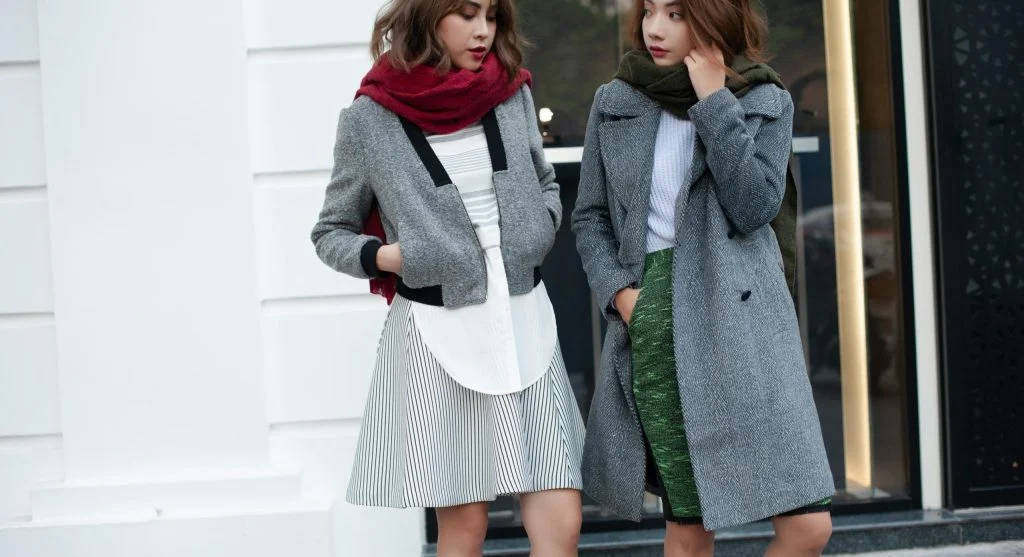
Stylists and wardrobe planners often explain that transitional outfits work best when one part of the look handles most of the weather shift. That single layer can add warmth when needed, come off without ruining the outfit, and still feel easy to carry later. This is often what makes seasonal dressing feel less like a puzzle and more like a repeatable daily system.
What Makes a Layer Weather-Ready
A weather-ready layer is not just any extra piece thrown over an outfit. It usually has three important qualities. First, it provides enough warmth for cooler moments. Second, it still looks good when the rest of the outfit is simple. Third, it can be removed or carried without becoming annoying. These qualities often matter more than how dramatic or trendy the layer looks on its own.
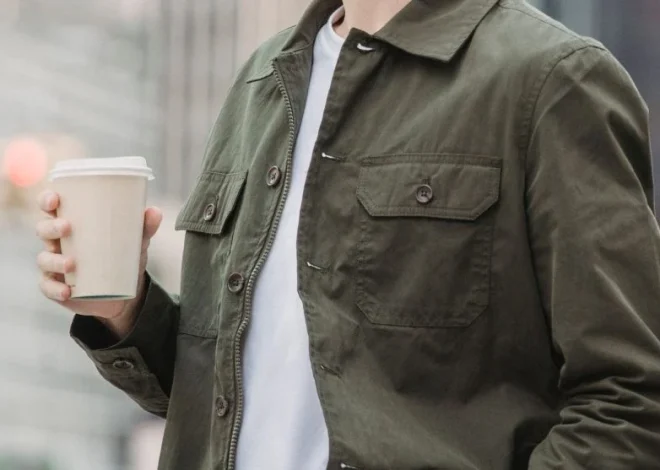
That is why certain pieces return again and again during changing weather. Light trench coats, easy blazers, compact cardigans, denim jackets, and soft overshirts often become useful because they offer flexibility without making the outfit feel overly complicated.
Why One Strong Layer Often Works Better Than Several Weaker Ones
Many readers make seasonal dressing harder by trying to prepare for every possible weather shift with too many layers at once. This often creates bulk, extra decisions, and outfits that feel harder to move in. One strong layer usually works better because it keeps the outfit cleaner. The reader knows exactly which piece is doing the weather work, so the rest of the outfit can stay lighter and easier.
When a single layer solves most of the practical problem, mornings often feel faster. The reader is not trying to coordinate three different pieces with one uncertain forecast. They are building around one dependable answer.

How the Base Outfit Should Work With the Layer
A weather-ready layer works best when the clothing underneath already makes sense on its own. This could mean a knit top with trousers, a shirt with denim, or a simple dress with comfortable shoes. If the outer layer comes off later, the outfit should still feel complete. That is one of the key reasons a single good layer helps. It supports the outfit without making the entire look depend on it.
Fashion editors often note that seasonal dressing becomes much easier when the base outfit and the top layer both work independently. That creates more freedom and makes the outfit less fragile as the day changes.
Why Weight and Fabric Matter More Than Readers Expect
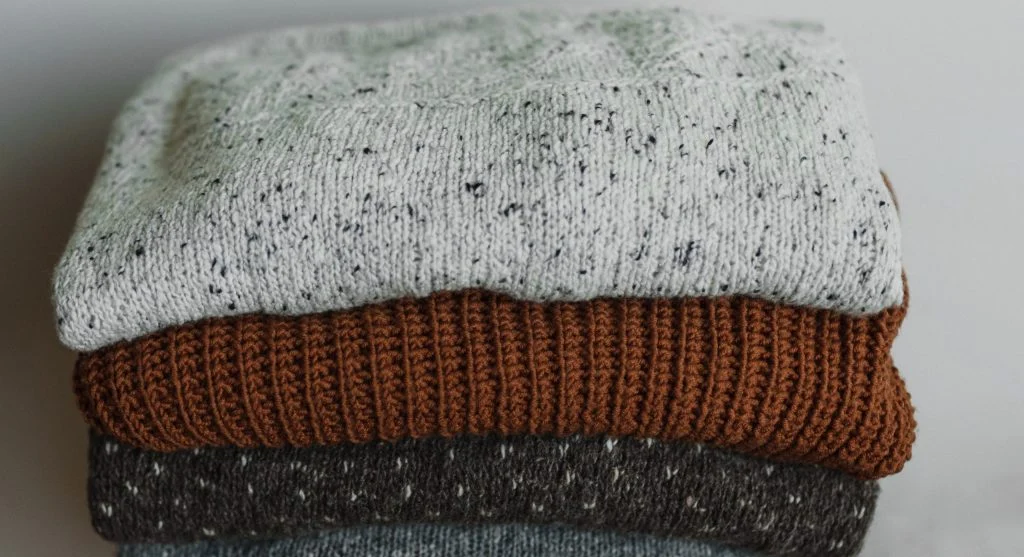
The most useful weather-ready layers usually have enough structure to feel polished, but not so much weight that they become tiring. If the fabric is too heavy, the piece may feel uncomfortable once the weather shifts. If it is too light, it may not solve the problem it was chosen for. The strongest layers often sit somewhere in the middle. They provide enough coverage without overwhelming the rest of the look.
This is one reason light trench fabrics, medium-weight knits, unlined jackets, and easy cotton overshirts work so well. They adapt more easily than pieces designed for a much colder season.
How One Weather-Ready Layer Improves Outfit Confidence
Many readers do not just want practical clothes. They want to feel settled in them. Seasonal dressing can create uncertainty because the weather may change more than expected. A dependable layer lowers that uncertainty. It gives the reader one clear piece to rely on instead of several smaller adjustments that may or may not work together.
This often improves confidence because the outfit feels prepared without becoming overbuilt. Readers know they have enough support if the day cools down, but they also know the outfit can still work well if the layer comes off.
Examples of Outfits Built Around One Useful Layer
A relaxed blazer over a fitted knit and straight trousers can work well for readers who want weekday structure without heavy warmth. A denim jacket over a plain dress can keep the outfit grounded while staying casual and easy to remove. A cardigan over a simple top and denim can support mornings and evenings without making the whole look feel too dressed up.
These outfits are different, but they follow the same idea. The main weather adjustment comes from one dependable piece rather than many smaller ones competing at once.
Why Shoes Still Need to Support the Layer
Even the best layer can struggle if the shoes move the outfit in the wrong direction. Seasonal looks usually feel stronger when the footwear matches the weight and mood of the outer layer. Loafers, flats, clean sneakers, and low boots often work because they can support light layering without making the outfit look too cold-weather or too summery.
Footwear specialists often point out that shoes help determine whether a layered outfit feels truly balanced. The strongest transitional outfits usually have support at both the top and bottom of the look.
How This Approach Makes Closet Choices Easier
Readers often feel calmer once they know which one or two layers solve most of their changing-weather outfits. Instead of standing in front of the closet trying to predict every detail of the day, they begin with one dependable answer. That usually leads to less hesitation and more repeat wear from the pieces that actually deserve space in the wardrobe.
Over time, this can also improve shopping decisions. Instead of buying random extra layers, readers can focus on the one weather-ready piece that truly fills the gap in their routine.
Why This Method Keeps Seasonal Style Practical
The most useful part of this approach is that it stays grounded in real life. It does not require a dramatic outfit or a complicated layering lesson every morning. It asks only for one reliable outer piece that works with the wardrobe already in use. That is often enough to make the whole season feel easier to dress for.
For many readers, seasonal style becomes better not when it becomes more creative, but when it becomes more dependable. One weather-ready layer often provides exactly that.
Frequently Asked Questions
Q: What is a weather-ready layer?
A: A weather-ready layer is one practical outer piece that helps an outfit handle changing temperatures while still staying easy to wear and easy to remove if needed.
Q: Why does one good layer work better than several?
A: One good layer often works better because it keeps the outfit cleaner, reduces extra bulk, and solves the weather problem without making the whole look feel overcomplicated.
Q: What are good examples of weather-ready layers?
A: Good examples often include light trench coats, easy blazers, compact cardigans, denim jackets, and overshirts that can work with several basic outfits.
Q: Should the outfit still work after the layer comes off?
A: Yes. The best seasonal outfits usually begin with a strong base that still looks complete on its own once the weather-ready layer is removed later in the day.
Key Takeaway