Why Overstyling Often Becomes One of the Biggest Fashion Mistakes in Everyday Outfits
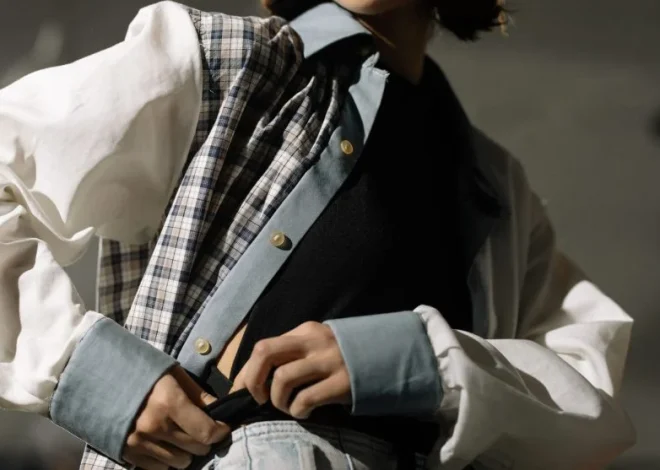
Fashion mistakes do not always come from wearing the wrong clothes. In many everyday outfits, the real problem begins when the styling becomes too busy. Many readers start with a good base, then keep adding details because the outfit still feels like it needs something. By the time the process ends, the look often feels less polished instead of more complete.
Stylists, wardrobe planners, and fashion editors often explain that overstyling is one of the most common fashion mistakes in daily dressing. A strong outfit usually needs clear direction, not endless additions. When too many visible ideas compete in one look, even good clothes can lose their impact.
Why overstyling happens so easily
Overstyling often happens because readers are trying to improve an outfit that already had enough going for it. A useful shirt, balanced trousers, dependable shoes, and one good layer may already form a strong look. Yet if the outfit still feels too simple, it can be tempting to add more jewelry, a stronger bag, another layer, a brighter shoe, or one more trend detail.
Style professionals often note that the wish to “finish” an outfit can sometimes weaken it. The outfit may not actually need more. It may only need a final edit.
How overstyling turns into one of the most common fashion mistakes
Everyday outfits usually work best when the eye can follow them clearly. Overstyling interrupts that clarity. Too many focal points can make the outfit feel crowded, harder to read, and less settled. This is especially true in daily dressing, where the clothing also needs to support movement, routine, and comfort through several hours.
Fashion editors often explain that polish often comes from restraint. An outfit can feel thoughtful without showing every idea at once. This is why simpler styling choices often look stronger in real life.
Why simple outfits are more vulnerable to overstyling
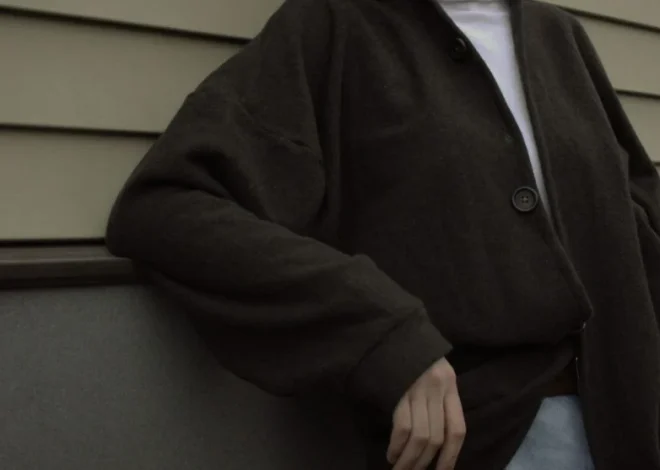
Simple outfits often seem like they should be easier to style, but they can also become easier to overwork. Because the base is quieter, readers may feel pressure to add more interest. The result can be a simple outfit that suddenly carries too many details at once. A clean shirt and trouser combination can lose its strength if several visible accessories start competing around it.
Stylists often recommend trusting simple pieces more. If the fit, shape, and shoes are already working, the outfit may need much less extra styling than it first appears.
How too many accessories weaken outfit balance
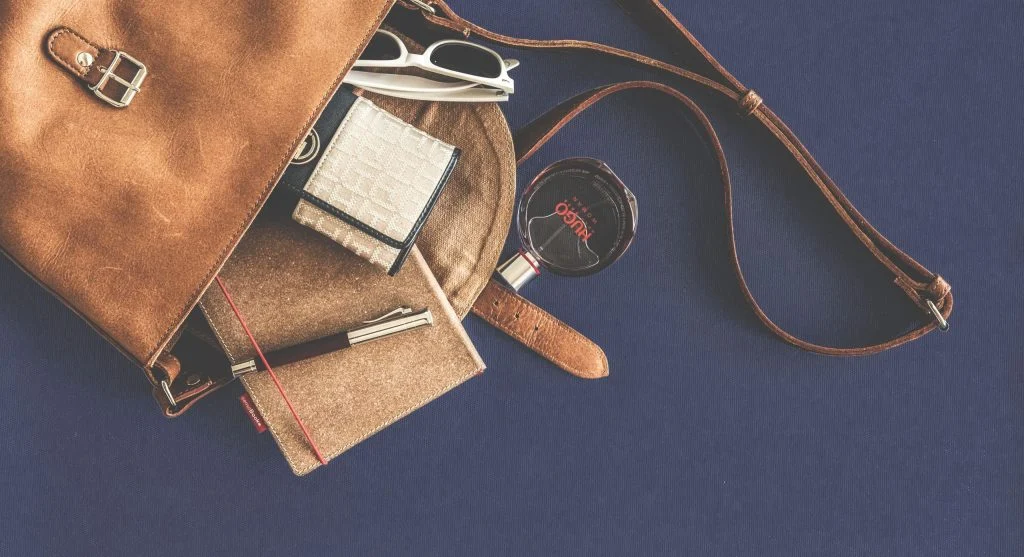
Accessories often cause overstyling because each one seems harmless on its own. A necklace, belt, watch, bag, sunglasses, and statement earrings may all look good separately. Together, they may pull attention in too many directions. Instead of giving the outfit a clear finish, they may create clutter.
Wardrobe consultants often explain that one or two well-chosen accessories usually do more than a full collection worn at once. Balance often depends on leaving enough visual space between the details.
Why trend layering can quickly create fashion mistakes
Another reason overstyling becomes common is trend stacking. A current bag shape, updated denim line, modern flat, soft blazer cut, and fashion-forward jewelry may all work on their own. Yet when several trend details appear in the same everyday outfit, the look may begin to feel less wearable and harder to trust.
Fashion stylists often suggest letting one trend detail lead while the rest of the outfit stays steadier. This usually helps the look feel more modern without becoming overloaded.
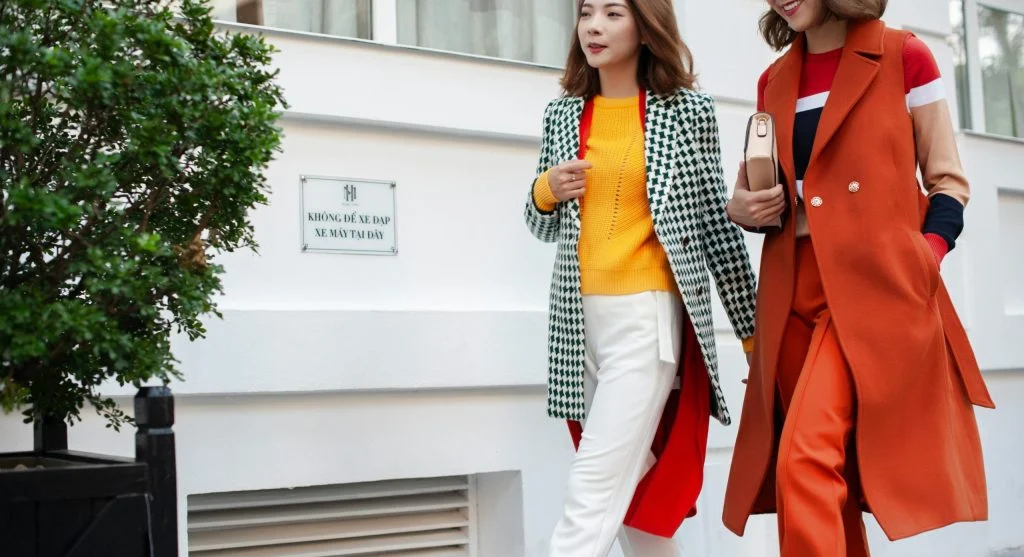
How shoes can either calm or crowd the look
Shoes often decide whether an outfit still feels grounded. In an overstyled outfit, a louder shoe can push the look even further into visual conflict. A calmer loafer, flat, clean sneaker, or low boot may often support the clothing better than a shoe that also demands strong attention.
Footwear specialists often note that shoes should support the overall mood of the outfit, not fight for control of it. This is one reason dependable shoes often help prevent overstyling in everyday looks.
Why one structured piece often works better than several visible ones
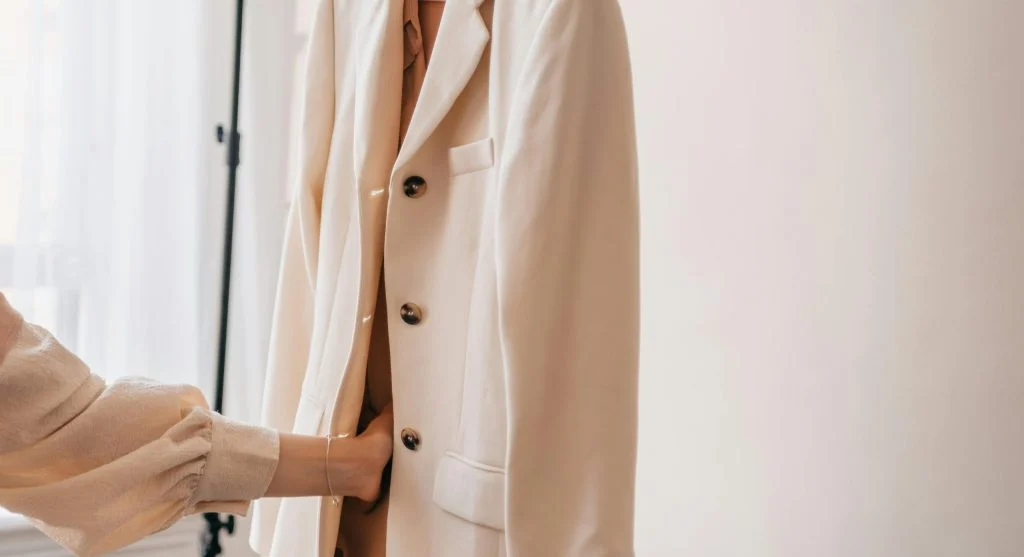
Readers sometimes try to make an outfit feel more finished by adding several visible elements at once. In many cases, one structured piece does enough. A blazer, useful trench, crisp shirt, or well-cut trouser can give the look more shape without creating clutter. Structure often brings clarity faster than extra decoration does.
Fashion editors often explain that daily outfits usually become stronger when one element quietly organizes the whole look. That kind of structure often prevents fashion mistakes before they begin.
How to tell when an outfit has crossed into overstyling
An outfit may be overstyled when it becomes difficult to describe clearly. If there are too many visible focal points, too many mood changes, or too many details asking for attention, the look may no longer feel settled. Another sign is when removing one item immediately improves the outfit rather than weakening it.
Stylists often recommend a short final question: does every visible part still need to be here? If the answer feels uncertain, the outfit may already be carrying more than it needs.
Why simpler edits usually improve everyday outfits
The good news is that overstyling is often one of the easiest fashion mistakes to correct. Better fit, cleaner proportions, calmer shoes, and fewer competing details can improve many outfits without buying anything new. In most cases, polishing the outfit means removing or simplifying, not adding more.
For many readers, this is where daily style starts to feel easier again. Once the outfit stops trying to do too much, the strongest pieces finally have room to work properly.
Frequently Asked Questions
Q: What is overstyling in fashion?
A: Overstyling happens when an outfit includes too many competing details, accessories, layers, or trend elements, making the look feel crowded instead of polished.
Q: Why is overstyling one of the most common fashion mistakes?
A: Overstyling is common because readers often keep adding details to improve an outfit that was already strong enough. The extra elements can weaken clarity and balance.
Q: How can I tell if my outfit is overstyled?
A: A look may be overstyled if it has too many focal points or if removing one visible element makes the outfit feel immediately calmer and more polished.
Q: What usually fixes overstyling fastest?
A: Overstyling is often fixed fastest by removing one or two competing details, choosing calmer shoes, and letting one strong piece guide the outfit instead of several.
Key Takeaway
Overstyling often becomes one of the biggest fashion mistakes in everyday outfits because too many visible ideas can weaken the clarity that makes a look feel polished. In most cases, daily outfits improve when they rely on stronger basics, calmer shoes, and fewer competing details. For many readers, style becomes easier once editing replaces adding.