
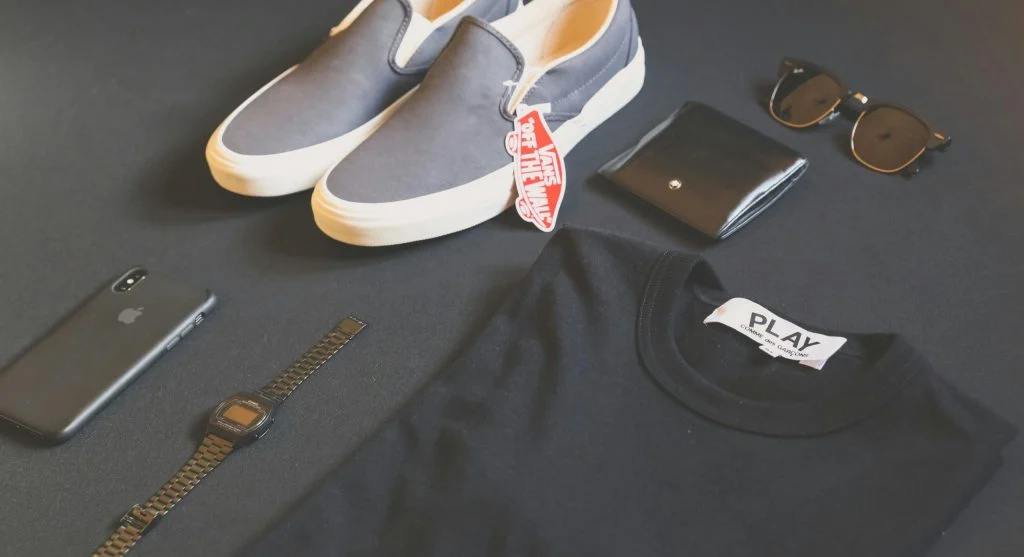
7 Style Basics Myths That Can Make Simple Outfits Feel Harder to Pull Together
Style basics are supposed to make daily dressing easier, yet many readers still find simple outfits harder to build than expected. Often, the problem is not the clothing itself. The real problem is a set of myths about basics that make readers expect too much from some pieces and not enough from others.
Stylists, wardrobe planners, and fashion editors often explain that basic clothing works best when it is practical, repeatable, and easy to combine. When style basics myths take over, readers may buy the wrong “essentials,” ignore fit, or assume that simple outfits should somehow style themselves. That often leads to more frustration instead of less.
Why style basics myths create so much confusion
Style basics sound easy in theory because the word “basic” suggests something simple and automatic. In real life, though, basics still need good fit, clear shape, useful shoes, and colors that work together. A basic piece can still fail if it does not support the rest of the wardrobe well. That is why style myths around basics often spread so easily. They sound neat, but they leave out how daily dressing really works.
Wardrobe experts often note that basics are only helpful when they function well inside real routines. If they do not, they can make simple outfits feel just as difficult as more dramatic ones.
1. Myth: Any plain piece counts as a style basic
One of the most common style basics myths is the idea that anything plain automatically belongs in the essentials category. A plain shirt, simple knit, or black trouser may look like a wardrobe basic, but if it fits poorly or works with very little else, it may not actually function like one.
Closet planners often explain that a true basic is not only simple. It is useful. It should support several outfits and feel easy to wear across ordinary days. Plain does not always mean practical.
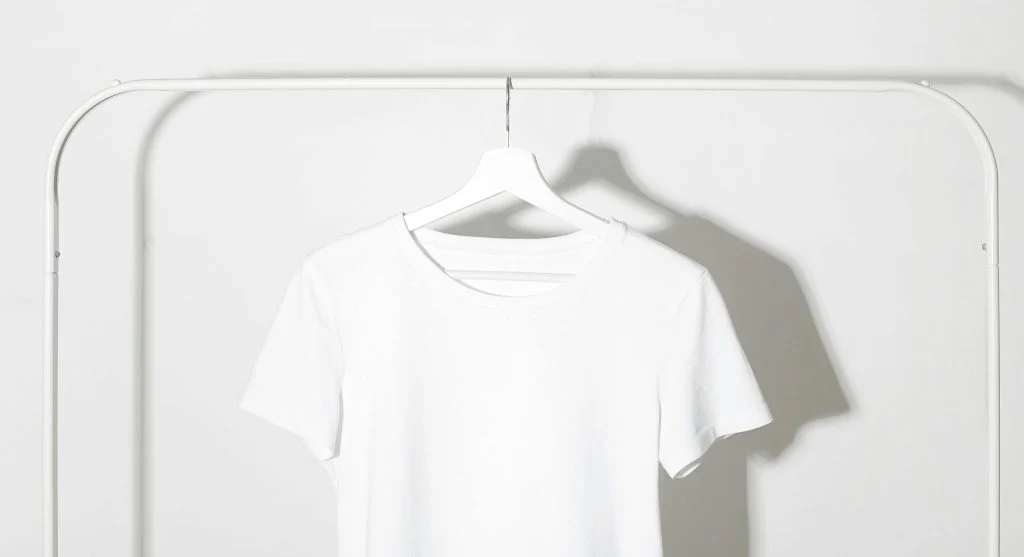
2. Myth: Basics should never stand out at all
Some readers believe basics should always disappear into the outfit. This often leads to buying clothing that feels dull, lifeless, or slightly wrong just because it seems “safe.” In reality, strong basics often have quiet quality. They may have better fit, better drape, a better neckline, or a cleaner structure that makes them noticeable in a good way.
Fashion editors often explain that basics should support the outfit clearly, not vanish into it. Good basics often look calm, but they still need enough strength to hold the look together.
3. Myth: Style basics only work in black, white, and gray
Neutral colors are useful, but another common myth is that basics only count if they come in the most standard shades. In practice, soft olive, warm beige, dusty blue, deep navy, and muted brown can all function beautifully as basics if they mix well with the rest of the wardrobe.
Wardrobe consultants often note that connected color matters more than strict color rules. A useful basic is one that repeats easily, not one that only follows a narrow palette rule.
4. Myth: If you own enough basics, outfits should come together automatically
Many readers get frustrated because they believe basics should solve outfit planning on their own. Yet basics still need structure. Shoes matter. Proportion matters. Layers matter. A shirt and trouser may both be strong basics, but the outfit can still feel incomplete if the shoes fight the look or the fit feels unclear.
Stylists often explain that basics are the foundation, not the entire answer. They make daily dressing easier, but they still need thoughtful support from the rest of the outfit.
5. Myth: The more basics you own, the easier dressing becomes
This myth often leads to closets full of nearly identical items that still do not work well together. More basics do not always mean easier dressing. If too many pieces feel slightly off, the wardrobe may become even harder to use. Readers often benefit more from a smaller number of strong basics than from a large number of average ones.
Closet organizers often recommend focusing on repeated use instead of quantity. The basics that earn their place are usually the ones worn often without much hesitation.
6. Myth: Basics do not need tailoring or care
Because basics are simple, some readers assume they do not need as much attention. This often becomes a problem. Basics are usually worn often, which means poor hemming, stretched fabric, wrinkles, or worn shoes become even more visible. A simple piece often needs stronger care because there is less else in the outfit to distract from it.
Garment care specialists often explain that basics tend to look their best when they are maintained well. Small repairs, steaming, cleaning, and fit adjustments often give basics far more life and value.
7. Myth: Basics make personal style less interesting
Some readers worry that relying on basics will flatten personal style. In reality, basics often make personal style easier to see because they create a clear base. Once the core outfit is working well, smaller details such as jewelry, shoes, a bag, or a soft color accent can stand out more intentionally.
Wardrobe experts often note that personal style is not usually built by chaos. It often becomes more visible when the essentials underneath are calm and dependable enough to support it.
What usually works better than style basics myths
Basics usually work best when readers choose them by function instead of label. A strong basic should fit clearly, mix well, suit real life, and support more than one outfit. When those qualities are in place, daily dressing often becomes more dependable without becoming boring.
Stylists often explain that the best basics are the ones readers stop questioning. They become trusted because they make more outfits possible and reduce more stress than they create.
Why simpler, stronger basics often improve the whole wardrobe
A wardrobe usually becomes easier once the basics are truly doing their job. Outfit planning speeds up. Shoes repeat more naturally. Layers make more sense. The whole closet feels less like a collection of separate pieces and more like a connected system. That is often why better basics change so much.
For many readers, the biggest improvement comes not from buying more fashion, but from understanding what their basics actually need to do. Once the myths are removed, the wardrobe often becomes much easier to trust.
Frequently Asked Questions
Q: What are style basics myths?
A: Style basics myths are common ideas that make simple clothing seem easier or more automatic than it really is. These myths often lead readers to choose the wrong essentials or expect too much from them.
Q: What makes a real wardrobe basic useful?
A: A useful wardrobe basic usually fits well, works in several outfits, suits real daily life, and supports the rest of the wardrobe without creating extra stress.
Q: Do basics have to stay in very neutral colors?
A: No. Basics can also work in connected soft shades like olive, navy, beige, muted blue, or brown if those colors mix easily with the rest of the wardrobe.
Q: Can basics still support personal style?
A: Yes. Basics often support personal style very well because they create a calm foundation that lets smaller details stand out more clearly and intentionally.
Key Takeaway
Style basics myths can make simple outfits feel harder by creating the wrong expectations around what basics should do. In most cases, good basics are not just plain pieces. They are practical, repeatable, well-fitting items that support real life and connect clearly to the rest of the wardrobe. For many readers, daily dressing becomes easier once the myths are dropped and the basics finally start doing their real job.

Related Posts
Why One Clear Mid-Outfit Shape Can Make Everyday Looks Feel More Controlled Without Feeling Too Styled

Why One Clear Start-and-Finish Shape Can Make Everyday Outfits Feel More Complete Without Extra Styling