8 Quiet Style Signals That Can Make Simple Clothes Look More Deliberate
Some outfits look intentional even when they are made from very simple clothes. There may be no dramatic trend, bold color, or complicated styling trick, yet the result still feels more considered than random. In many cases, this comes down to a few quiet style signals. These are the small details that tell the eye the outfit was put together with purpose.
Stylists often explain that everyday style does not need to be loud to look strong. The most wearable outfits usually rely on small choices that improve clarity, balance, and finish. These choices may seem minor at first, but together they often create the difference between clothes that simply look worn and clothes that feel deliberate.
Why Simple Clothes Need Stronger Signals
Simple clothing leaves less room to hide weak styling. When an outfit is built from basic pieces, the eye notices line, fit, finish, and proportion more quickly. This is why quiet style signals matter so much in daily dressing. They provide just enough direction to help a calm outfit feel complete without making it busy.
Readers often assume deliberate style comes from owning better clothes, but in many cases, it comes from using ordinary clothes with more control. That is helpful because it means stronger style often starts with observation, not a full wardrobe reset.
1. A Clear Starting Point
One quiet signal of a strong outfit is that it seems to begin somewhere specific. This might be a good pair of trousers, a sharp shirt, a dress with clean shape, or one dependable jacket. When the outfit has a clear starting point, the rest of the pieces often look more connected. Without that center, simple clothing can feel slightly scattered.
This does not mean one item has to dominate. It simply means the outfit feels as if it was built from one clear choice rather than assembled at random.
2. One Repeated Shape
Deliberate outfits often repeat one visual idea. It could be a clean straight line in the trousers, jacket, and bag. It could be a soft drape echoed by the top and skirt. When one shape quietly repeats, the outfit feels more unified. This usually happens without the reader noticing it consciously, but the effect is still strong.
Fashion editors often describe this as rhythm. The eye moves through the outfit more easily because the same visual language appears more than once.
3. A Controlled Tuck, Cuff, or Hem
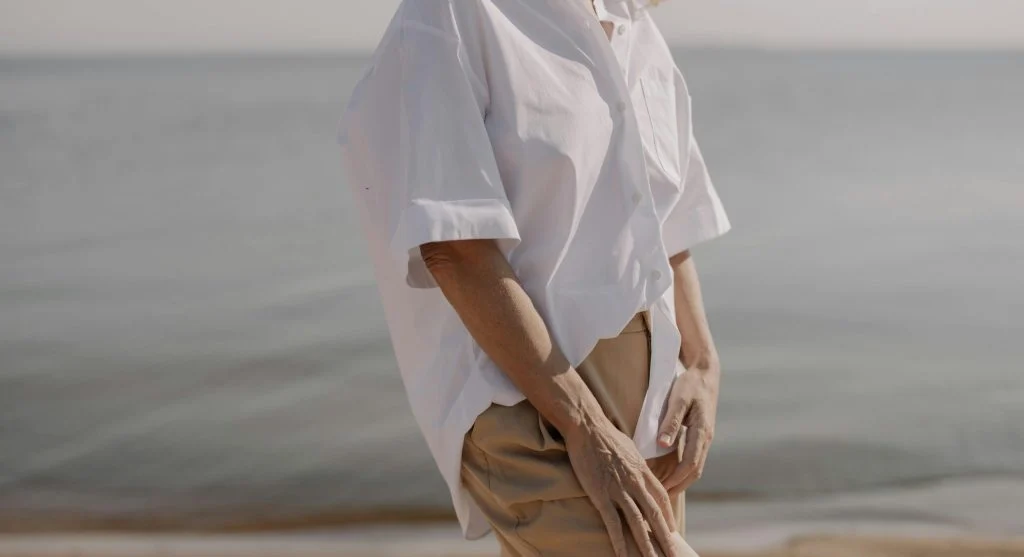
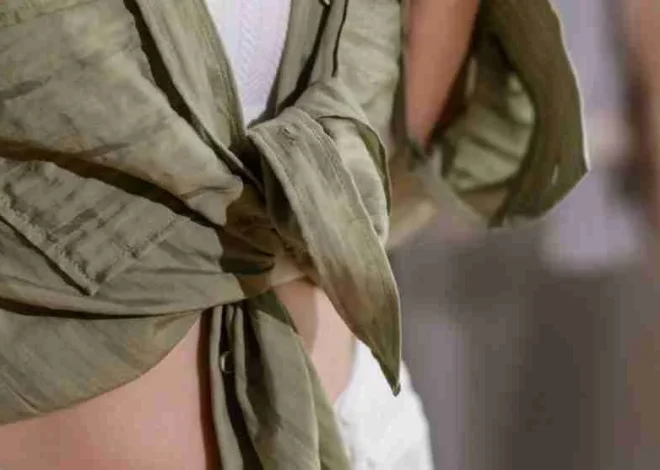
Small adjustments around the edges of clothing often signal intention very clearly. A neat tuck, a clean cuff, or a trouser hem that falls at the right point can make simple clothes look much more purposeful. These changes do not alter the whole outfit, but they tell the eye that the clothing was considered.
This is often why basic outfits improve so quickly with tiny finishing moves. The clothes stay simple, but the edges begin to look more precise.
4. One Calm Contrast
Deliberate outfits often include one gentle contrast instead of many loud ones. This might be soft knitwear with polished shoes, a relaxed shirt with a structured bag, or flowing fabric with a cleaner jacket. The contrast helps the outfit avoid looking flat, but it stays controlled enough to keep the look calm.
Too much contrast can create noise. One well-placed contrast usually does more for everyday style than several competing ideas at once.
5. Shoes That Match the Intention of the Outfit
One of the strongest quiet signals in an outfit is footwear that feels aligned with the rest of the look. A loafer can make a simple trouser outfit feel more settled. A refined sneaker can support a minimal casual outfit without weakening it. Shoes often decide whether the whole look seems thoughtful or slightly accidental.
Footwear specialists often note that the best shoes do not always stand out. They often support the outfit so well that the full look simply feels right.
6. Restraint With Accessories
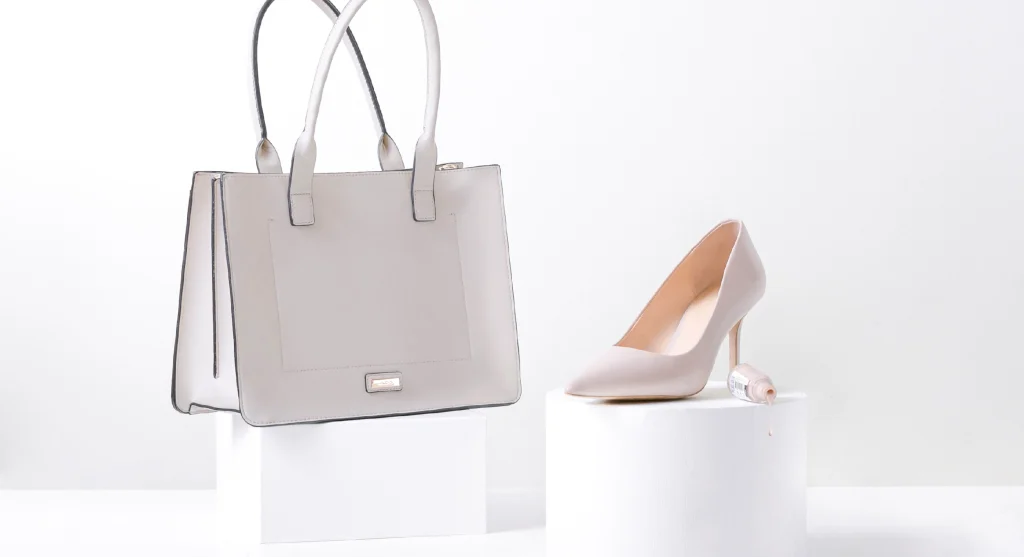
Readers often think accessories must add excitement, but one signal of deliberate style is knowing when to stop. A watch, simple earrings, or one clean bag may be enough. When accessories stay focused, the whole outfit often looks more confident. Too many visible details can suggest uncertainty rather than style strength.
Quiet style often benefits from leaving visual space. The eye appreciates that room, especially in everyday outfits built from basics.
7. Fabric That Makes Sense Together
Simple clothes often look better when the fabric choices feel related. This does not mean every material has to match. It means the pieces should feel as if they belong to the same day. A crisp top, clean trousers, and polished shoes often work together because their finishes support one another. When fabrics fight too much, the outfit can lose some of its calm clarity.
Wardrobe planners often suggest asking whether the clothes seem to share the same level of polish, softness, or structure. That question can reveal a lot very quickly.
8. A Final Check From a Distance
One of the quietest style signals is also one of the simplest: taking a step back before leaving. A quick full-length look often catches what separate mirror checks miss. The reader may notice a weak hem, one extra accessory, a collar that needs adjusting, or a shoe that shifts the tone too far. That final check often creates the last layer of deliberateness.
This is useful because many outfits are not far from working well. They usually need one small edit, not a total change.
Why These Quiet Signals Matter More Than Louder Styling Tricks
Louder styling choices can create impact, but quiet signals often create trust. They make the outfit feel settled, wearable, and controlled. Readers can repeat these signals again and again because they do not depend on novelty. Instead, they depend on understanding what helps simple clothes look their best.
That is why these signals matter so much in real life. They support style that can survive busy mornings, changing plans, and ordinary routines without falling apart.
Frequently Asked Questions
Q: What are quiet style signals?
A: Quiet style signals are small outfit details that make simple clothes look more deliberate, such as clear proportions, controlled finishing touches, aligned shoes, and restrained accessories.
Q: Why do simple outfits need more attention to detail?
A: Simple outfits have fewer dramatic elements, so the eye notices fit, finish, and balance more clearly. Small details often carry more weight in basic daily looks.
Q: Do quiet style signals require expensive clothes?
A: No. They usually come from how clothes are worn and balanced rather than from price. Ordinary clothes can look much stronger with better control and finishing choices.
Q: What is the easiest quiet style signal to try first?
A: One of the easiest is improving the outfit edges through a cleaner tuck, hem, cuff, or better-aligned shoe choice. Small changes often create noticeable improvement very quickly.
Key Takeaway

Related Posts
Why One Clear Mid-Outfit Shape Can Make Everyday Looks Feel More Controlled Without Feeling Too Styled

Why One Clear Start-and-Finish Shape Can Make Everyday Outfits Feel More Complete Without Extra Styling