Why Low-Contrast Outfits Are Becoming a More Wearable Trend in Everyday Style
Some fashion trends feel exciting in photos but difficult to wear in everyday life. Others become useful because they make ordinary dressing feel calmer and easier. Low-contrast outfits belong in that second group. Instead of depending on sharp jumps between light and dark or strong color blocks, these looks use shades that sit closer together. That usually makes the outfit feel softer, steadier, and much easier to repeat.
Fashion editors and stylists often point to this kind of dressing as one reason modern outfits can look polished without feeling overworked. The pieces still have shape, texture, and purpose, but the visual movement between them feels smoother. For many readers, that makes low-contrast dressing one of the most wearable trends to enter everyday style in recent years.
What Low-Contrast Outfits Actually Mean
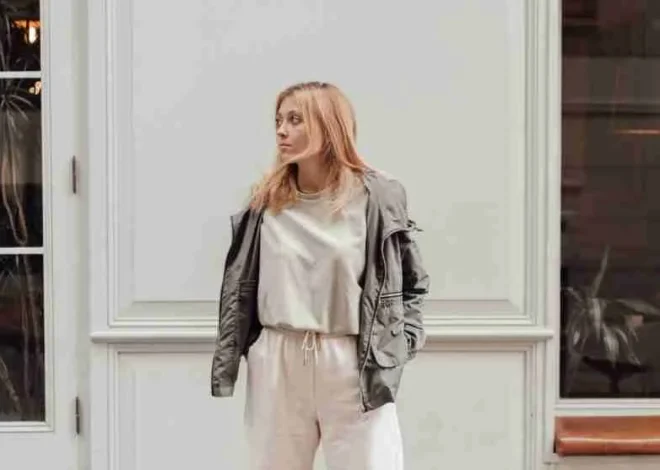
A low-contrast outfit is not simply an outfit without color. It is an outfit where the colors stay close enough in depth or tone that the transitions feel gentle. Cream with beige, soft gray with washed blue, olive with muted khaki, or warm brown with tan are all examples of this effect. The outfit still has variation, but the eye does not meet sharp visual stops.
This matters because daily style often becomes easier when the wardrobe feels more connected. Low-contrast dressing creates that connection without requiring every piece to match perfectly.
Why This Trend Feels Easier Than Stronger Color Dressing
High-contrast outfits can look striking, but they also require more precision. Strong black-and-white combinations, bold color pairings, or outfits built around sharp visual breaks often need more deliberate balance. Low-contrast outfits usually feel easier because the pieces support each other more quietly.
This does not make them boring. It simply makes them more forgiving. Readers often find that these outfits look polished even when the styling stays simple, which is one reason the trend works so well in ordinary life.
How Low-Contrast Outfits Help Simple Clothes Look Stronger
Basic clothing often looks better when the visual flow feels calm. A simple knit, straight trousers, and practical loafers may not seem remarkable on their own, but when they stay within one connected color family, the outfit often feels more deliberate. Low contrast allows fit, texture, and proportion to become more visible because the eye is not being pulled too strongly from one piece to another.
This is one reason readers who prefer wardrobe basics often respond well to this trend. It improves the overall impression of simple clothes without demanding dramatic styling changes.
Why This Approach Works Well for Repeat Dressing
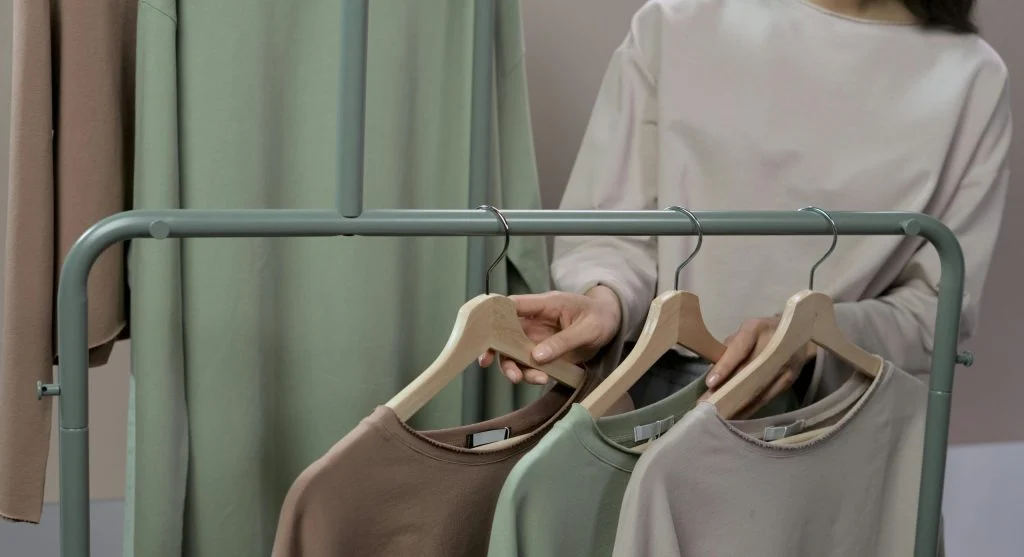
One of the biggest strengths of low-contrast dressing is that it supports repeat wear. When tops, trousers, layers, and shoes all live within connected tones, more combinations become easier to build. That means the wardrobe can create several outfits that feel different enough to wear across the week while still keeping one calm style language.
Wardrobe planners often note that easier mixing usually leads to stronger daily style. A closet that already understands its own color relationships tends to feel less stressful to use.
How Texture Becomes More Important in Low-Contrast Outfits
When the color jumps become softer, texture often starts doing more of the visual work. A knit against smooth trousers, suede beside denim, or crisp cotton next to softer fabric can make the outfit feel richer without needing high contrast. This is often what keeps low-contrast outfits from feeling flat.
Stylists frequently explain that low-contrast dressing works best when the materials are thoughtful. Texture brings quiet interest, while the connected tones keep the look calm and wearable.
Why Footwear Matters So Much in This Trend
Shoes often decide whether a low-contrast outfit feels complete. If the clothing is soft and connected but the shoes suddenly introduce a sharp, unrelated contrast, the whole mood can shift. This is why loafers, flats, clean sneakers, low boots, and other calmer footwear options often work well in low-contrast outfits when they stay within the same general tone family.
That does not mean the shoes must disappear. It simply means they should continue the visual conversation already happening in the clothes instead of interrupting it too abruptly.
How to Build Low-Contrast Outfits Without Buying a New Wardrobe
Readers do not need to replace everything to try this trend. A useful starting point is identifying which clothes already sit in related shade groups. Perhaps several cream, beige, and brown pieces already work together. Maybe soft blue, gray, and denim tones naturally connect. Once those relationships are noticed, outfit building often becomes much easier.
The idea is not to force every piece into one exact palette. It is simply choosing a calmer color path for one outfit at a time. That alone can create a very noticeable difference.
Why Low Contrast Often Feels More Current Than Harsh Contrast
Current everyday style often leans toward ease rather than severity. Low-contrast outfits reflect that shift. They look modern because they feel controlled without seeming rigid. They still show thought, but they do not rely on sharp drama to do it. This often makes them feel more wearable than bolder trend looks that demand more constant styling effort.
For many readers, this is exactly what makes the trend appealing. It feels fresh, but it still respects the need for comfort, repetition, and simplicity.
Who Benefits Most From This Style Approach
Readers who prefer basic wardrobes, softer colors, and easy daily outfits often benefit most from low-contrast dressing. It also works well for people who want their style to feel more polished but not more complicated. Since the method depends more on connection than bold fashion statements, it often fits naturally into wardrobes that already favor practical clothing.
It can also help readers who feel that high-contrast outfits look good in theory but too strong on them in real life. A softer transition between shades often feels more natural and much easier to repeat with confidence.
Frequently Asked Questions
Q: What is a low-contrast outfit?
A: A low-contrast outfit uses colors that stay relatively close in tone or depth, such as cream with beige or soft blue with gray, so the outfit feels visually smoother and more connected.
Q: Do low-contrast outfits only work with neutrals?
A: No. They often work well with neutrals, but the same idea can also apply to muted greens, soft blues, warm browns, or other shades that sit close together in one general family.
Q: Why do low-contrast outfits look more polished?
A: They often look more polished because the colors support each other quietly, which makes the outfit feel calmer and helps details like texture, fit, and shape stand out more clearly.
Q: How can I try this trend with clothes I already own?
A: Start by grouping pieces that already share a similar tone family, then build one outfit using those connected shades. Small changes in color harmony can improve the outfit very quickly.
Key Takeaway