Why Letting One Outfit Piece Do Too Much Can Make Daily Style Feel Less Balanced
Some outfits feel slightly off even when each piece looks good on its own. The jacket may be stylish, the shoes may feel current, and the bag may be practical, yet the full look still seems as if it is leaning too heavily in one direction. In many cases, the issue is not that any single item is wrong. The issue is that one piece is being asked to carry too much of the outfit by itself.
This is a common everyday style mistake. A bold coat may be expected to provide all the polish, all the structure, and all the personality. A dramatic pair of trousers may be asked to create the entire look without enough help from the rest of the outfit. A strong bag may be doing more visual work than the clothing around it can support. When one item is forced to do too much, the outfit often loses balance. The strongest daily looks usually work better when several pieces quietly support one another instead.
Why This Problem Happens So Easily
Readers often build outfits under time pressure, which makes it tempting to grab one strong piece and hope it solves everything. A blazer may seem like enough to fix a basic outfit. A statement shoe may feel like the fastest way to add interest. A brighter bag may seem like the answer when the clothing feels too plain. These ideas can work sometimes, but they often become a problem when the rest of the outfit is not giving enough support.
Stylists often explain that strong outfits depend on teamwork between pieces. When one item becomes responsible for too many jobs at once, the look can start feeling uneven instead of intentional.
What It Means for a Piece to “Do Too Much”
A piece is doing too much when it carries more than one styling role without enough help from the rest of the outfit. For example, one jacket may be providing the outfit’s structure, trend detail, color contrast, and visual focus all at the same time. One pair of shoes may be responsible for adding polish, color interest, and mood direction while the rest of the outfit stays underdeveloped. That pressure usually makes the look feel slightly forced.
This does not mean strong pieces should be avoided. It simply means they work best when the surrounding items give them enough context to belong naturally.
Why Over-Relying on One Piece Weakens Outfit Structure
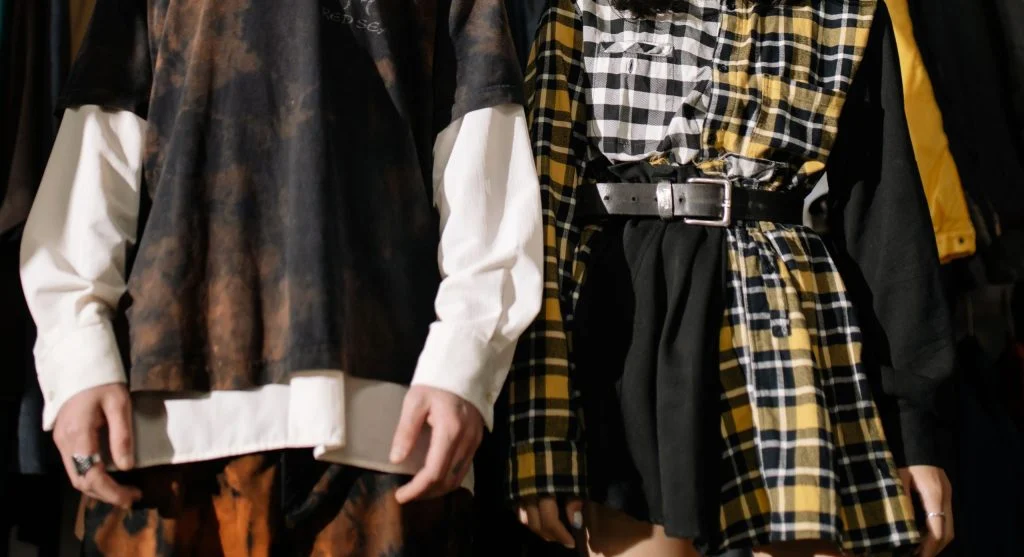
An outfit usually looks stronger when the eye can move through it naturally. When one item dominates too much, the rest of the look can seem unfinished. The eye lands on the strong piece and then finds very little else that feels resolved. This can make the outfit feel top-heavy, bottom-heavy, or emotionally uneven, depending on where the visual weight sits.
Good structure usually comes from more than one place. A useful outfit may need one strong layer, but it also needs shoes that make sense, a bottom that supports the shape, and details that keep the look from falling flat once the eye moves beyond the focal point.
How Statement Jackets Often Create This Mistake
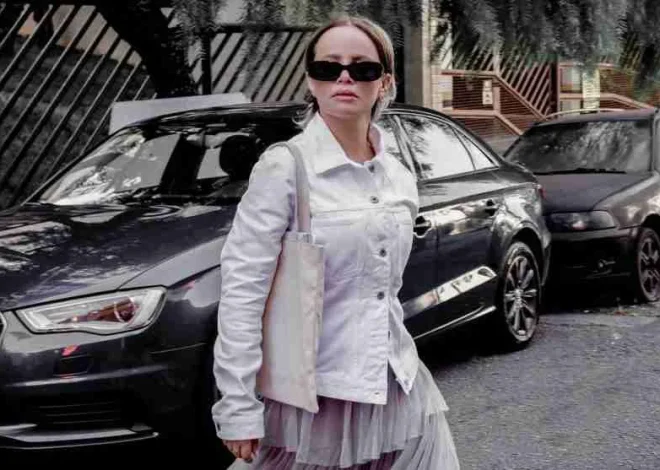
Jackets are one of the easiest places for this problem to appear. A reader may put on a strong blazer, trench, or oversized outer layer and assume the rest of the outfit can stay almost empty. Sometimes that works. But just as often, the jacket ends up carrying all the shape and polish while the bottoms, shoes, and bag feel too disconnected to support it properly.
That is why jackets work best when they are part of the outfit rather than the entire idea. The clothing underneath does not need to be loud, but it does need enough clarity to keep the full look balanced.
Why Shoes Can Also Be Asked to Solve Too Much
Shoes often become the emergency fix when an outfit feels unfinished. Readers may choose a louder shoe hoping it will add energy, direction, and polish all at once. But if the rest of the outfit still lacks shape or cohesion, the shoes can end up looking isolated rather than helpful. Instead of completing the look, they start competing with it.
Footwear specialists often note that the best shoes support an outfit’s mood instead of trying to create the entire mood alone. That is often the difference between a strong finish and a distracting one.
How Bags and Accessories Sometimes Carry the Wrong Burden
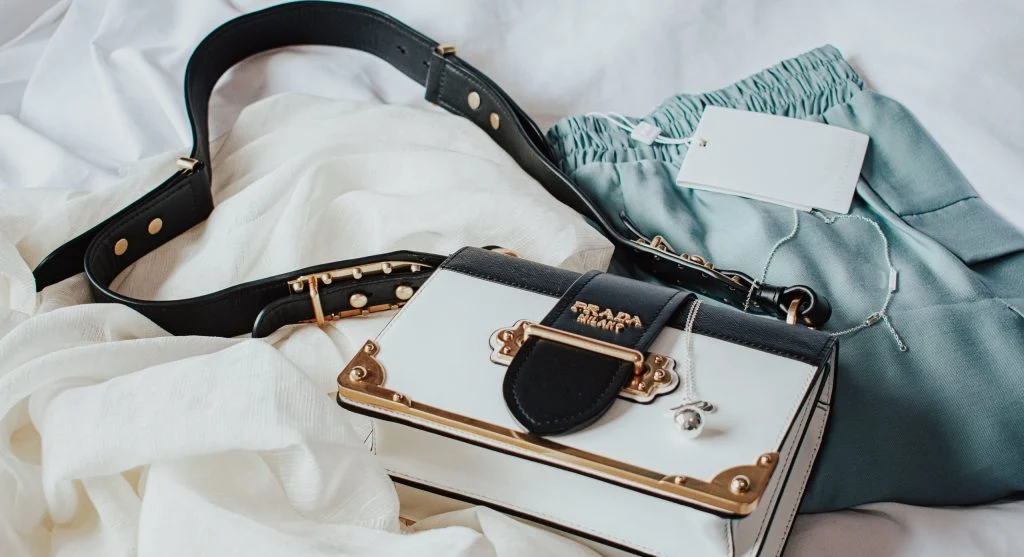
Bags and accessories should usually support the outfit, not rescue it. A bag can absolutely add structure or freshness, but it becomes less useful when it is the only clearly styled part of the look. The same is true of jewelry, scarves, and sunglasses. These details often work best when they refine an outfit that already has some internal balance rather than trying to create balance from nothing.
This is one reason some outfits feel better after removing one strong accessory and improving the clothing beneath it instead. The problem was never a lack of extras. It was a lack of support.
Why Balanced Outfits Often Feel Calmer and More Expensive
Outfits where several pieces share the work often look more settled. The top supports the shape, the bottom supports the proportion, the shoes continue the mood, and the outer layer sharpens the whole thing just enough. This kind of balance often reads as more polished because nothing seems desperate to carry all the attention alone.
Readers sometimes describe these outfits as looking more “put together” or more “expensive,” even when the actual clothing is very simple. What they are noticing is usually balance, not price.
How to Tell When One Piece Is Doing Too Much
One clue is that the outfit only feels strong while looking at one item. Once the reader looks beyond that jacket, shoe, or bag, the rest of the outfit may seem thin or unresolved. Another clue is that removing the strong piece makes the entire outfit collapse instead of simply changing direction. That usually means the other pieces were not contributing enough.
A healthier outfit often still makes sense when the focal piece is removed. It may become simpler, but it should not become completely directionless.
How to Fix This Without Buying Anything New
The easiest fix is often asking the surrounding pieces to do a little more. This may mean choosing a bottom with clearer shape, shoes that better match the mood, or a layer that gives more structure to the full look. Sometimes it means reducing pressure on one strong piece by calming it slightly and giving the rest of the outfit more support through proportion or texture.
Many readers improve this problem quickly once they stop trying to make one dramatic item solve everything. The answer is usually better balance, not more intensity.
Why Shared Visual Work Makes Style Easier to Repeat
Outfits built on shared visual support are often easier to wear again because they do not depend on one high-pressure item to succeed. Several pieces can rotate in and out while still keeping the look stable. That makes the wardrobe more flexible and daily dressing less fragile. If one strong jacket is unavailable, the outfit structure can still survive through other pieces.
This is one reason balanced outfits usually help style feel easier over time. They are built from a stronger system, not just one strong object.
Frequently Asked Questions
Q: What does it mean when one outfit piece does too much?
A: It means one item is carrying too many styling roles at once, such as structure, polish, trend interest, and visual focus, while the rest of the outfit gives too little support.
Q: Why does that make an outfit feel less balanced?
A: It makes the outfit feel less balanced because the eye lands too heavily on one piece while the rest of the look seems underdeveloped or disconnected.
Q: Which pieces are most likely to do too much?
A: Jackets, shoes, bags, and strong trend items are the most common because readers often use them to try to rescue otherwise unfinished outfits.
Q: How can I fix this problem quickly?
A: A quick fix is choosing surrounding pieces with clearer support, such as a better bottom shape, calmer but more aligned shoes, or a layer that shares more of the outfit’s visual work.
Key Takeaway
Letting one outfit piece do too much can make daily style feel less balanced because the whole look starts leaning too heavily on one item instead of working as a team. Strong outfits usually feel calmer and more polished when several pieces quietly support one another. For many readers, better everyday style begins when one dramatic solution is replaced by stronger shared structure.