
Why One Tiny End-of-Day Reset Corner Can Make the Next Morning Feel Much Lighter
A simple end-of-day reset corner can help prevent that. Rather than expecting the entire house to be perfectly organized every night, it creates one small space where everyday items can be gathered, sorted, and prepared for tomorrow. In many homes, this modest habit provides more relief than a full evening cleanup because it supports the moment when the next day begins.
What Is an End-of-Day Reset Corner?
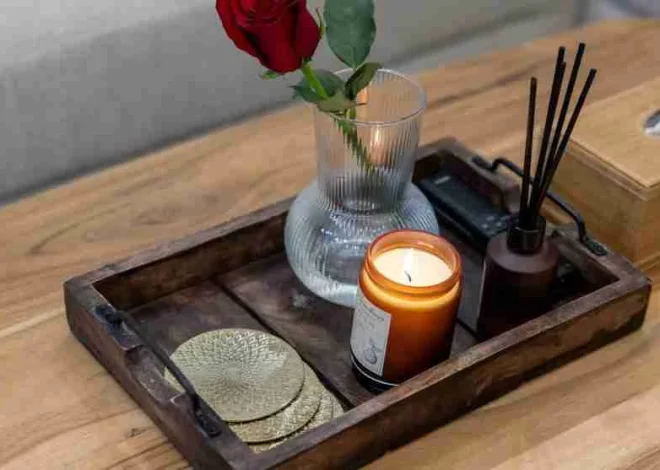
An end-of-day reset corner is a small, dedicated area where frequently used items are collected before the day ends. It might include a tray, basket, shelf, hooks, or even a small section of a countertop. Its purpose is not decoration—it is to provide a reliable place where the day’s loose essentials can be gathered instead of remaining scattered throughout the home.
This approach works because many household frustrations are not caused by one large mess. They come from small items that never receive a proper ending to the day. A reset corner gives those items exactly that.
Why Evenings Affect the Next Morning
Evenings and mornings are more connected than many people realize. When everyday clutter remains spread across several rooms overnight, the morning often begins by dealing with yesterday’s unfinished tasks before anything new can happen.
The problem is not always the amount of clutter. It is the fact that the clutter is still active, requiring attention before the day can move forward.
Home organization experts often explain that the best evening habits are the ones that remove tomorrow’s first obstacle. A reset corner does exactly that by giving common daily items one final destination before bedtime.

How one small corner creates a bigger feeling of order
One reason this works so well is that it changes how readers experience the home visually. When scattered daily items move into one controlled place, the rest of the room often feels calmer immediately. The home may still look lived in, but it no longer looks as though everything is still in motion. That difference can be enough to make the next morning feel noticeably lighter.
This is why small systems often have more power than expected. They improve the parts of home life that repeat most often, and those repeated improvements usually matter more than one dramatic organizing effort.
What usually belongs in the reset corner
The best items for this kind of corner are small, active, and tied to daily movement. These may include keys, a wallet, glasses, a charger, a notebook, one bag item, incoming papers, or another object that tends to travel without landing properly by the end of the day. The exact list depends on the household, but the key is that the corner should support real repeated needs rather than random storage.
This is what keeps the system practical. The reset corner should help the next morning begin, not become a dumping place for unrelated clutter.
Why tiny systems often work better than large evening cleanups
Many readers avoid evening resets because they assume the task will turn into a full home cleanup when they are already tired. A tiny reset corner avoids that problem. It keeps the goal small enough to feel realistic. Instead of tidying the entire room, the reader only has to complete one short closing step. That small scale is often exactly what makes the habit sustainable.
Behavior experts often point out that habits become stronger when they are easy to repeat on ordinary days. A reset corner fits that idea well because it does not demand much energy to stay useful.
How this corner helps reduce next-day searching
A large amount of morning stress comes from looking for things that are not actually lost. Readers often know the item is somewhere in the house, but they do not know where it landed last. A reset corner reduces that problem because it gives common daily items one likely place to wait. This makes the home easier to read the next morning and lowers the chance of those repeated mini-searches that waste time.
That improvement often feels bigger than the corner itself. The real benefit is not just tidiness. It is less uncertainty before the day begins.

Keep the Space Simple
A reset corner works best when it stays visually clean and easy to understand. If it gradually fills with unrelated belongings, unopened packages, or miscellaneous clutter, it begins creating the same problem it was designed to solve.
A single tray, basket, shelf, or wall hook is often enough. The limited space naturally encourages you to keep only the most important daily items there.
Ideally, one glance should be enough to see that tomorrow’s essentials are already waiting.
Make It Part of an Existing Evening Routine
The easiest way to maintain this habit is to connect it with something you already do every night. For example, you might use the reset corner after washing the dishes, packing tomorrow’s bag, or turning off the lights before bed.
Attaching the habit to an existing routine makes it feel like the natural final step of the day instead of another task to remember.
This simple technique often makes new habits much easier to maintain over time.
It Also Changes How the Home Feels
One of the most overlooked benefits of a reset corner is emotional rather than practical. A home often feels calmer when the day ends with fewer loose items spread throughout the rooms.
Nothing has to be perfect. The goal is simply to avoid beginning tomorrow in exactly the same scattered state as today.
Many people notice they feel more prepared, less rushed, and less mentally burdened simply because one small area signals that the day has been wrapped up with intention.
For many households, that feeling of readiness is the greatest benefit of all.
Frequently Asked Questions
Q: What is an end-of-day reset corner?
A: An end-of-day reset corner is a small home area where the most common loose daily items are gathered and organized before the day ends.
Q: Why does a reset corner make mornings feel lighter?
A: It makes mornings feel lighter because it reduces searching, lowers visual clutter, and helps important everyday items begin the next day in one more predictable place.
Q: What should go into a reset corner?
A: Small active items such as keys, chargers, glasses, notebooks, a wallet, or one bag item usually work best, as long as they are tied to daily routines.
Q: How do I stop the corner from becoming cluttered?
A: Keep it physically small, give it one clear purpose, and review it often enough that it stays a temporary reset zone instead of becoming general storage.
Key Takeaway
A tiny end-of-day reset corner can make mornings feel noticeably lighter by giving scattered everyday items one organized place to settle before bedtime. Instead of waking up to unfinished tasks and unnecessary searching, you begin the day with your essentials already prepared and easy to find. For many households, this small evening habit creates smoother mornings, less visual clutter, and a greater sense of readiness without requiring a major organizing effort.