Why Texture Contrast Often Makes Simple Everyday Outfits Look More Finished
Many simple outfits include all the right pieces and still feel like something is missing. The shirt fits, the trousers work, and the shoes make sense, yet the final look can still feel a little flat. In many cases, the issue is not color or shape. It is texture. When every fabric in an outfit feels too similar, the look may appear less finished, even when the clothes themselves are good.
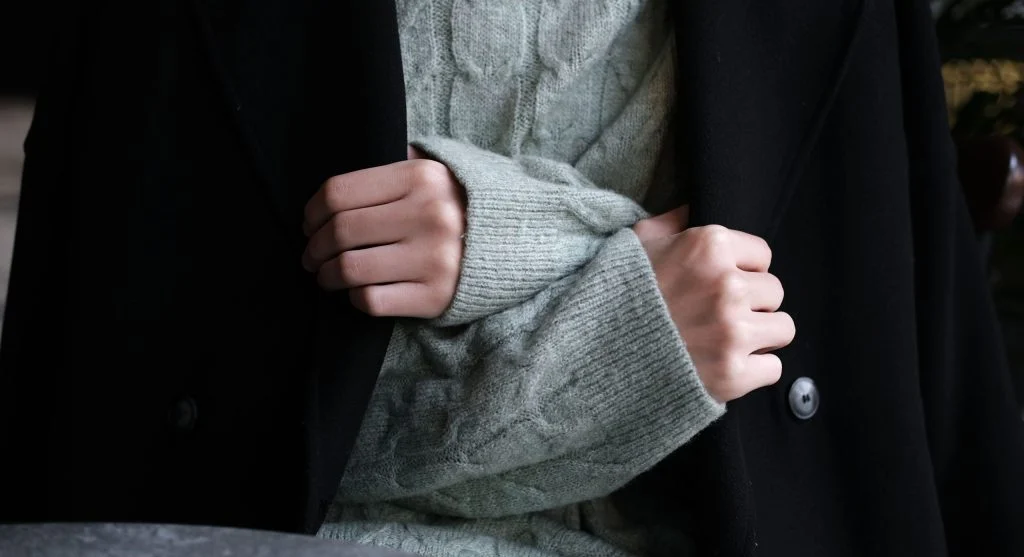
Stylists often explain that texture contrast is one of the easiest ways to improve a simple outfit without making it harder to wear. A soft knit with cleaner trousers, smooth denim with a sharper jacket, or a structured bag next to relaxed fabric can all help everyday style feel more complete. The outfit stays simple, but it gains more depth.
What Texture Contrast Means in Daily Dressing
Texture contrast does not require dramatic fabric mixing. It simply means giving the eye a little difference to notice. A brushed knit beside crisp cotton, suede beside denim, or a soft cardigan next to cleaner tailoring can all create this effect. These small differences help separate the pieces so the outfit feels more intentional.
In everyday dressing, texture contrast often matters because many readers prefer calm colors and easy silhouettes. When the color palette stays neutral and the shapes remain practical, texture becomes one of the simplest ways to add quiet interest without changing the whole outfit.
Why Flat Outfits Often Come From Matching Fabric Moods Too Closely
Sometimes an outfit feels dull not because it is too simple, but because every piece is giving the same impression. If the top, bottom, shoes, and bag all feel equally soft, equally matte, or equally relaxed, the outfit may lose definition. Texture contrast creates small points of separation that make the clothing easier to read.
Fashion editors often note that polished outfits usually include at least one subtle difference in surface or finish. That difference may be small, but it can change the entire impression of the look.
How Soft and Structured Pieces Improve Each Other
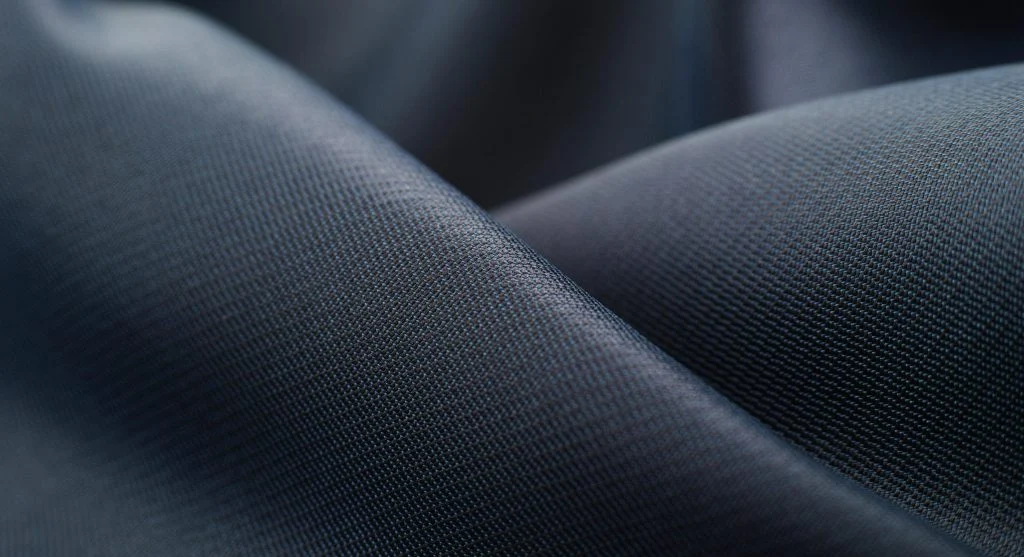
One of the easiest ways to use texture contrast is to pair something soft with something more structured. A knit top can look stronger with crisp trousers. A flowing dress often feels more grounded with a cleaner jacket. A relaxed shirt may work better with a polished loafer or structured bag. These combinations help the outfit avoid feeling too stiff or too loose.
This is often why balanced outfits look easier to wear. The soft piece adds comfort and ease, while the structured piece brings shape and clarity. Together, they help the outfit feel more complete without adding extra fuss.
Why Shoes Are Often the Quickest Place to Add Contrast
Shoes can create texture contrast very quickly because they naturally sit apart from the clothing. A smooth loafer can sharpen softer fabrics. A clean sneaker can simplify a more textured outfit. A suede flat can soften cleaner tailoring. Since footwear already carries visual weight, even a small change in finish can influence the whole outfit.
Footwear specialists often explain that shoes do more than complete a look. They help set the material tone of the outfit. This is one reason the right shoe can make a basic outfit feel more finished almost immediately.
How Bags and Belts Quietly Change Fabric Balance
Accessories are often the easiest way to bring texture contrast into a simple outfit without changing the main clothes. A structured leather bag, woven detail, soft suede finish, or polished belt can create just enough difference to keep the look from feeling too uniform. These details work especially well when the rest of the outfit is very calm.
Because these items are smaller, they often add contrast without taking over. This makes them useful for readers who want more depth in an outfit but do not want to look heavily styled.
Why Denim Works So Well in Texture-Based Outfits
Denim pairs easily with many different materials, which makes it one of the most useful texture tools in daily dressing. It can sit next to crisp cotton, smooth knitwear, soft suede, or polished leather without much effort. This is one reason denim often feels easy to style. Its surface already brings enough character to help simple combinations feel more grounded.
Closet planners often point out that strong denim can support many outfit moods. It can feel casual, polished, or somewhere in between depending on the texture placed beside it.
How to Use Texture Contrast Without Making the Outfit Busy
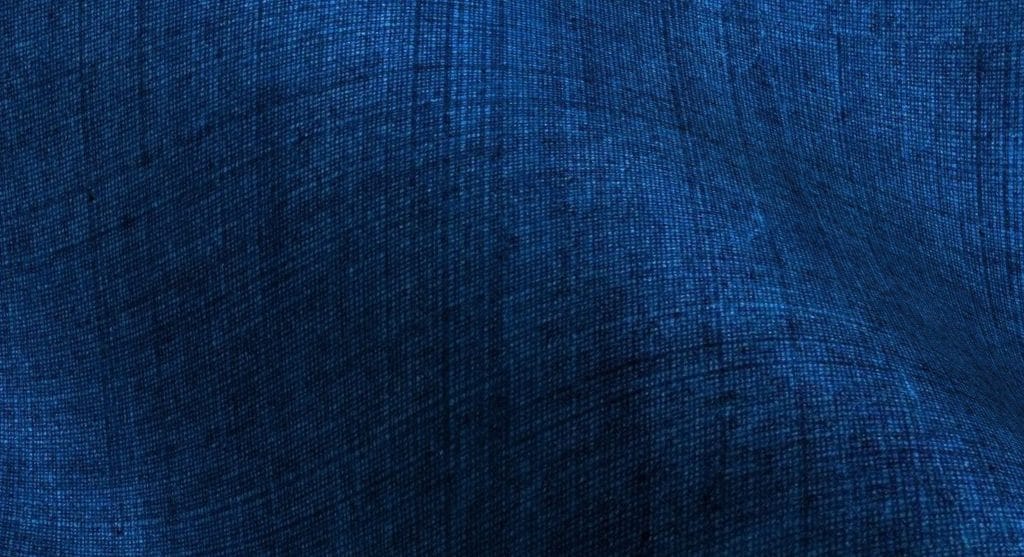
The goal is not to mix as many materials as possible. Too much contrast can make an outfit feel crowded, especially in everyday dressing. A better approach is choosing one or two clear differences. For example, a soft knit with smooth trousers, or washed denim with a crisp shirt and polished shoes. Small differences usually create a better result than too many competing finishes.
Stylists often recommend thinking of texture the same way readers think of accessories. One or two strong choices usually do enough. More is not always better.
Why Neutral Outfits Often Need Texture the Most
Neutral outfits can look very polished, but they can also become visually flat if every piece has the same finish. This is why texture contrast matters so much in beige, black, navy, gray, white, and soft brown outfits. When color stays restrained, fabric becomes one of the main ways to create distinction.
A cream knit with darker trousers, a black cotton shirt with softer denim, or a beige outfit finished with suede shoes can all show how much quiet difference texture can create.
How Readers Can Test Texture Contrast Without Changing Much
The easiest way to try this idea is to use clothes already in the closet. Readers can begin by pairing a soft top with a cleaner bottom, changing one shoe finish, or switching to a more structured bag. These small tests often reveal very quickly whether an outfit was missing more color, more accessories, or simply better fabric balance.
That is one reason texture contrast is so useful. It often improves outfits without requiring a new wardrobe. It helps readers use the clothes they already own in a more thoughtful way.
Frequently Asked Questions
Q: What is texture contrast in fashion?
A: Texture contrast in fashion means combining fabrics or finishes that feel slightly different, such as soft knitwear with crisp cotton or smooth leather with relaxed denim, to create more depth in an outfit.
Q: Why do simple outfits sometimes look flat?
A: Simple outfits can look flat when the fabrics all have the same mood or finish. Texture contrast helps the eye separate the pieces more clearly, which often makes the outfit feel more complete.
Q: Do I need bold colors to make texture contrast work?
A: No. Texture contrast often works especially well in neutral outfits because fabric differences create interest even when the color palette stays calm and simple.
Q: What is the easiest way to add texture contrast?
A: The easiest way is often through one soft piece and one structured one, or through accessories like shoes and bags that introduce a different finish without changing the whole outfit.
Key Takeaway
Texture contrast can make simple everyday outfits feel more complete because it adds subtle depth without making the look harder to wear. Small differences in fabric or finish can help neutral, practical clothing appear more balanced and polished. For many readers, what a simple outfit lacks is not extra color or trendier pieces, but a better mix of textures.

Related Posts
Why One Clear Mid-Outfit Shape Can Make Everyday Looks Feel More Controlled Without Feeling Too Styled
Why One Clear Start-and-Finish Shape Can Make Everyday Outfits Feel More Complete Without Extra Styling