Why One Light Contrast Layer Can Make Warm-Season Outfits Look More Deliberate
This is where a light contrast layer can make a noticeable difference. Rather than overwhelming the look or making it feel too warm for the season, it introduces just enough variation in color, texture, or structure to make the outfit feel more intentional. For many people, this is one of the simplest ways to elevate warm-season dressing without adding unnecessary complexity.
What a Light Contrast Layer Actually Is
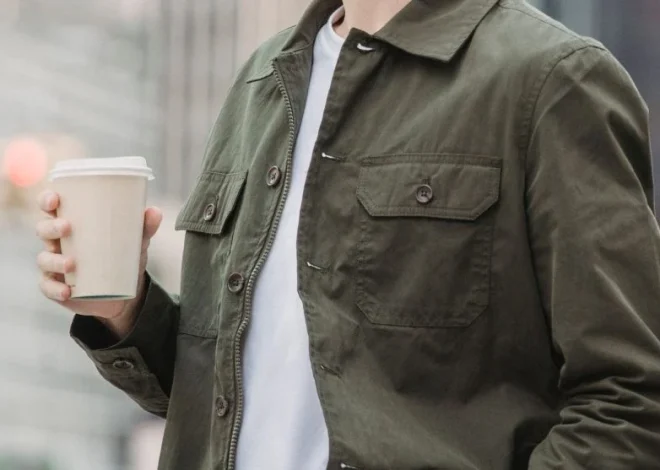
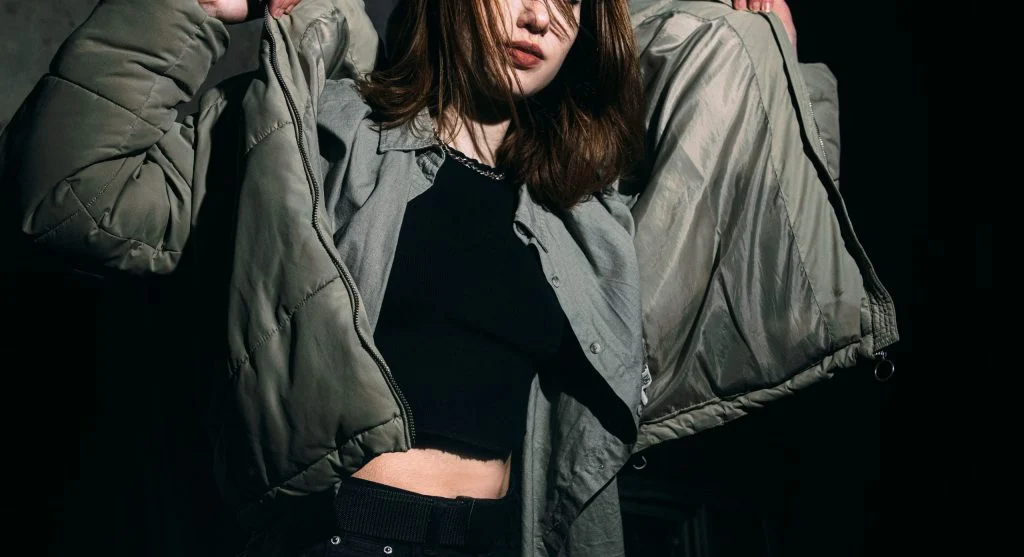
A light contrast layer is a lightweight extra garment that introduces gentle visual variation to a warm-weather outfit. It might be an overshirt, a breathable cardigan, an open button-up shirt, a lightweight shirt jacket, or another airy layer that enhances the outfit without dominating it. The contrast often comes from a slight difference in color, fabric texture, or the way it frames the body rather than from anything overly bold.
This works especially well because warm-weather wardrobes naturally lean toward simple, breathable clothing. A single contrasting layer helps organize that simplicity into a more complete and polished silhouette without adding unnecessary bulk.
Why Warm-Season Outfits Can Feel Flat Without One
During cooler months, outfits naturally gain depth through coats, sweaters, boots, and multiple layers. In warmer weather, most of those pieces disappear, leaving outfits feeling lighter but sometimes less defined. When the top, bottoms, and shoes all sit within a similar visual range, the outfit may look pleasant yet still lack a clear sense of structure.
Stylists often explain that polished summer style depends on subtle details because there are fewer layers doing the work automatically. A light contrast layer is one of those small but effective details. It adds shape and definition while keeping the relaxed nature of warm-weather dressing intact.
How Contrast Helps the Eye Read the Outfit More Clearly
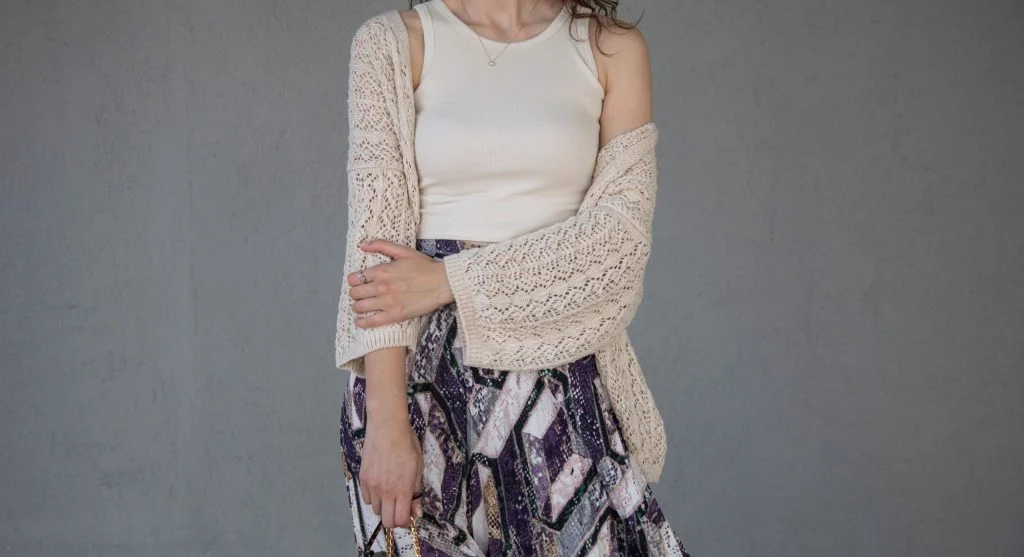
Outfits usually feel stronger when the eye can easily distinguish where one element ends and another begins. A light contrast layer naturally creates that definition by framing the upper body, breaking up large areas of similar color, or guiding the eye more smoothly through the silhouette. The contrast does not need to be dramatic. In fact, softer variations often create the best effect because they add interest without making the outfit feel busy.
This is one reason why simple outfits often appear much more refined after adding a lightweight layer. The look has not become more complicated—it has simply become easier to understand as one cohesive outfit.
Why the Contrast Should Stay Gentle Instead of Bold
Warm-weather clothing generally benefits from a softer visual approach. If the contrast becomes too strong, the extra layer can start to feel heavy or disconnected from the relaxed feel of the rest of the outfit. Pairings such as cream with white, beige with tan, muted olive with stone, or washed blue with pale gray usually create a smoother effect than sharp black-and-white combinations or other high-contrast choices.
That balance is what makes this styling approach so wearable. The layer introduces enough variation to define the outfit while preserving the light, easy feeling that warm-season dressing is known for.
How This Works With Everyday Basics
Simple wardrobe essentials often become much more versatile when paired with one gentle contrast layer. A basic T-shirt and lightweight trousers may only need a soft overshirt to feel complete. A tank top and skirt can gain more structure with an open button-up shirt. Even a simple dress can benefit from a breathable layer that adds another visual line without changing its relaxed character.
This is why many people discover that one well-chosen layer improves countless outfits. Its value comes less from following trends and more from helping everyday basics look intentionally styled.
Why Fabric Matters Just as Much as Color
Contrast is not created by color alone. Texture and fabric also play an important role. A washed cotton overshirt, a lightweight knit cardigan, or a breezy woven layer can create enough visual interest through texture even when the colors remain similar. This approach works especially well in warm weather because it adds depth without making the outfit feel visually heavy.
Fabric choice is equally important because a layer can improve the look while still feeling uncomfortable if it is too thick or structured for the season. The best contrast layers feel as light as they appear.
How Shoes Should Support the Mood of the Layer
A light contrast layer often gives an outfit a calm, relaxed, and slightly more refined feel, so the shoes should continue that same mood. Simple sandals, clean sneakers, understated flats, or easy loafers usually complement the look because they maintain the outfit’s balanced appearance. If the footwear feels overly heavy or formal, it can interrupt the soft harmony that the contrast layer creates.
This is why the finishing pieces matter just as much as the clothing itself. The layer may provide the visual contrast, but the shoes help ensure the entire outfit feels connected from head to toe.
Why One Good Layer Often Does More Than Several Statement Pieces
Some people try to strengthen warm-weather outfits by adding bold accessories or trend-driven details. While those choices can sometimes work, one thoughtfully chosen contrast layer often delivers more practical value. It improves proportion, supports the silhouette, enhances the mood of the outfit, and increases styling flexibility all at once. That makes it useful across many different outfits rather than for only one occasion.
Wardrobe planners often point out that the most valuable seasonal pieces are those that make everyday dressing easier. A lightweight contrast layer typically fits that description because it works with many different combinations instead of relying on a single dramatic look.
How to Tell When Your Outfit Needs One
A common sign is when an outfit feels pleasant but slightly too plain or visually open. Another clue is when adding one lightweight layer immediately makes the outfit look more complete, even though nothing else changes. If the overall appearance becomes more polished without feeling warmer or more formal, the layer is likely providing exactly the amount of contrast the outfit needed.
These moments often reveal that the outfit was never missing more clothing. It simply needed one subtle finishing element to bring everything together more naturally.
Frequently Asked Questions
Q: What is a light contrast layer?
A: A light contrast layer is a breathable extra piece, such as an overshirt or cardigan, that adds a gentle visual difference to a warm-season outfit without making it heavy.
Q: Why does a warm-season outfit need contrast?
A: It often needs contrast because warm-weather looks use fewer layers, so one small difference in tone, texture, or structure helps the outfit feel more balanced and complete.
Q: Does the contrast need to be strong to work?
A: No. Softer contrast often works better because it adds shape and interest while still keeping the outfit calm and seasonally light.
Q: What pieces work best as light contrast layers?
A: Lightweight overshirts, open shirts, fine knit cardigans, and other breathable soft layers usually work well because they add visual structure without too much weight.
Key Takeaway
A single light contrast layer can make warm-season outfits feel far more intentional by introducing just enough variation to improve balance, proportion, and visual flow. It helps simple clothing appear more polished without making the outfit heavier, overly styled, or difficult to wear repeatedly. For many people, this subtle layering technique is one of the easiest ways to elevate everyday warm-weather style while keeping it comfortable and effortless.