Why Softly Defined Outfit Edges Are Becoming a More Wearable Trend in Everyday Style
This is one reason the idea has become more useful in daily dressing. Readers still want clothes to feel intentional, but many do not want outfits that look too severe for everyday life. Softer edge definition helps clothing feel finished while keeping the overall look relaxed enough for real routines. It gives outfits quiet structure instead of hard formality, which is exactly what many wardrobes need now.
What softly defined outfit edges actually mean
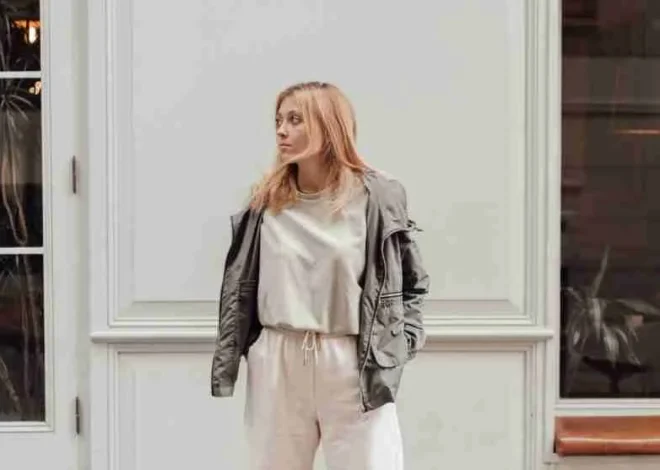
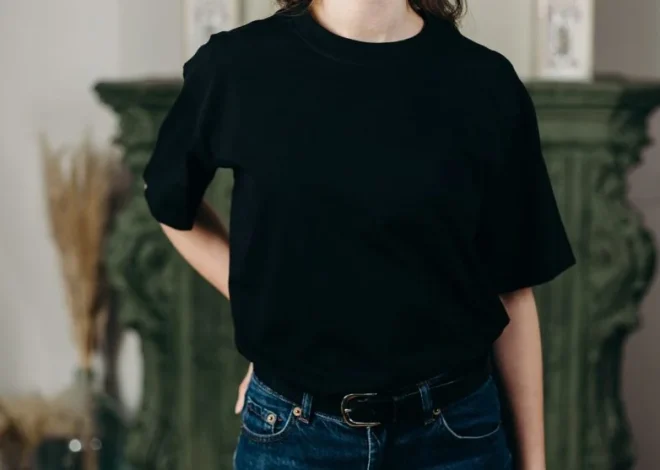
Outfit edges are the points where garments visually begin and end. These include sleeve cuffs, shirt hems, trouser hems, necklines, jacket openings, and the visible borders that shape the outfit. Softly defined edges do not disappear, but they avoid looking too harsh or too abrupt. They create enough clarity to guide the eye while still feeling natural against the body and the rest of the outfit.
This matters because the eye reads edges quickly. Even when readers are not consciously paying attention to them, those little finishing points influence how settled or unsettled the outfit seems overall.
Why sharp outfit edges do not always work in everyday life
Very sharp lines can look striking, but they often bring a stronger sense of formality with them. Crisp severe cuffs, hard neckline transitions, or overly exact hems can make clothing feel less flexible in normal settings. That is not always a problem, but many readers want style that fits work, errands, movement, and repeat wear without looking too strict.
Stylists often note that the most wearable fashion shifts are the ones that keep polish while reducing pressure. Softer edge definition usually does that very well. It keeps the outfit neat without making it feel overcontrolled.
How softer edges help simple outfits look calmer
Basic outfits often depend on small structural details more than dramatic pieces do. A simple shirt and trouser combination may look much better when the cuffs, hems, and neckline feel balanced rather than harsh. Soft edges help because they reduce visual stops that can make the outfit feel choppy. The look still has shape, but it flows more naturally from one part to the next.
This creates a calmer effect, which is one reason the trend pairs so well with neutral palettes, soft tailoring, practical shoes, and everyday basics. The edges support the outfit instead of competing with it.
Why this trend works so well with softer tailoring
Softer tailoring has already become more useful in daily wardrobes, and gently defined edges support that shift naturally. A blazer with a calmer opening line, a shirt with a less rigid cuff, or a trouser hem that feels neat without looking stiff often works better with real-life clothing than stronger, harder finishing would. The pieces still look thoughtful, but they also move more comfortably through the day.
This is one reason the trend feels current. It fits the broader move toward clothing that looks refined without forcing the wearer into a more formal identity than the day actually requires.
How cuffs and hems shape the trend most clearly
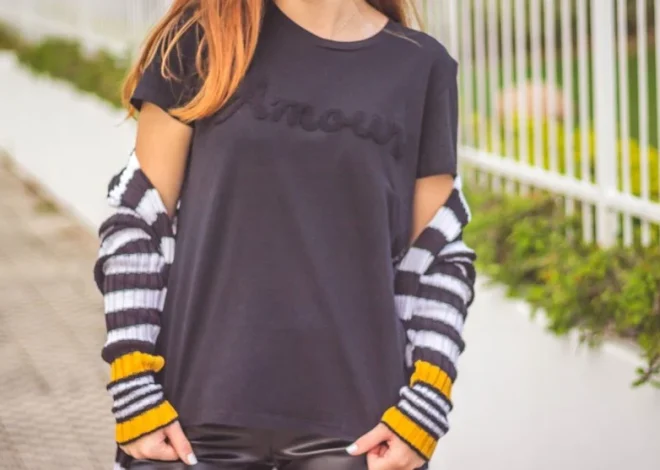
Cuffs and hems are often where this idea becomes most visible. A sleeve that ends cleanly but not too severely, or a trouser hem that looks intentional without feeling too hard, can shift the whole mood of the outfit. These details help because they create a finished line without making the clothing look stiff or overly precise.
Readers often notice this in outfits that already seemed “almost right.” The clothes may not need anything new. They may simply need softer, more balanced finishing points so the look stops feeling slightly abrupt.
Why neckline softness matters too
Necklines influence the upper-body tone of an outfit very quickly. A softer neckline edge often helps the whole look feel more wearable because it reduces sharp visual breaks near the face and shoulders. This does not mean every neckline should be loose or undefined. It means the opening should work with the rest of the outfit’s mood instead of introducing tension too early.
That is especially useful in daily dressing, where readers often want the outfit to feel clear and flattering without becoming too formal or too styled from the first glance.
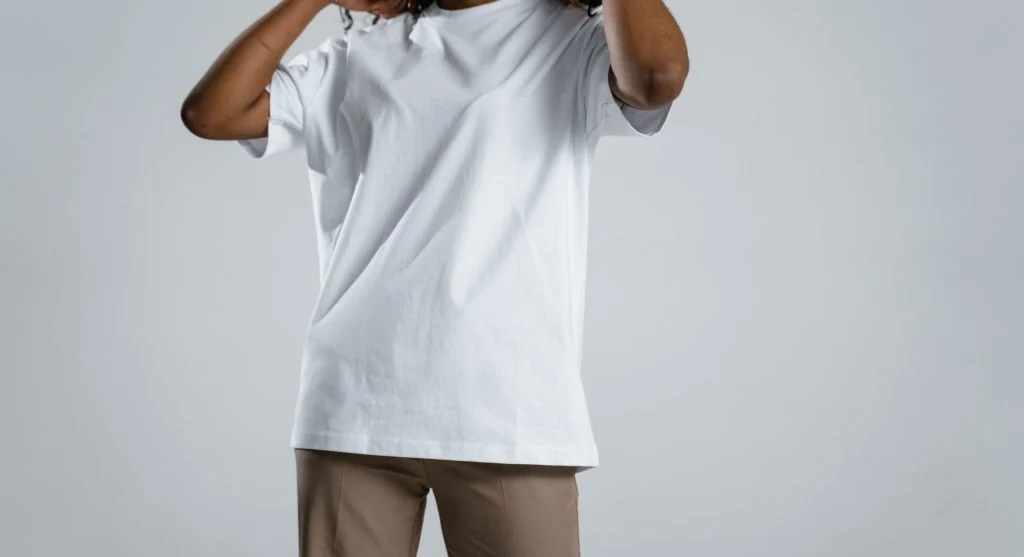
How shoes and accessories should support the same idea
When the clothing edges feel softer, the finishing pieces usually need to respect that same tone. Clean but calm shoes, softer bag lines, and less aggressive accessory shapes often work better than very hard or overly formal pieces. The outfit does not need perfect matching, but it usually looks stronger when the final details do not suddenly introduce a much sharper mood than the clothing itself is creating.
This is one reason some outfits feel better after one small accessory swap. The clothing may already be supporting the trend well, and the finishing pieces only need to stop interrupting it.
Why this trend often repeats better than harder styling details
Trends tend to last longer in real wardrobes when they improve repeat wear. Softly defined edges usually do that well because they fit into many kinds of outfits without demanding a strong fashion statement every time. Readers can wear the same pieces across workdays, casual plans, and ordinary routines without feeling as though the outfit is trying too hard.
Wardrobe planners often point out that the most useful trends are the ones readers stop noticing as trends and simply start experiencing as better clothing. Soft edge definition often works exactly that way.
How to know if this trend fits your wardrobe
A useful sign is that very crisp or severe clothing already feels a little too formal for your daily routine, while overly soft or shapeless clothing feels unfinished. Readers who prefer basics, gentle structure, calmer layers, and practical shoes often find this trend fits naturally into their wardrobe without much effort. It is especially helpful when outfits need more control, but not more hardness.
If a slightly softer cuff, hem, or neckline makes several outfits feel easier and more polished right away, the trend is probably supporting the wardrobe well.
Frequently Asked Questions
Q: What are softly defined outfit edges?
A: They are garment finishing lines, such as cuffs, hems, and necklines, that look clear and intentional without appearing too rigid, harsh, or overly formal.
Q: Why are softer edges becoming more useful in everyday style?
A: They are becoming more useful because they keep outfits polished while making them feel easier, calmer, and more wearable in daily life.
Q: Which parts of an outfit show this trend most clearly?
A: Sleeve cuffs, hems, necklines, jacket openings, and other garment borders usually show the trend most clearly because they shape how the eye reads the outfit.
Q: Does this mean clothing should look unfinished?
A: No. The clothing should still look neat and intentional. The difference is that the lines feel softer and more natural rather than sharply severe.
Key Takeaway
Softly defined outfit edges are becoming a more wearable trend in everyday style because they give clothing enough structure to feel polished while keeping the overall look easy and natural. They improve basic outfits, support softer tailoring, and help daily style feel more balanced without becoming too formal. For many readers, this trend works because it makes ordinary clothes look more settled in a very quiet and useful way.