Why Softer Waist Emphasis Is Becoming a More Wearable Trend in Everyday Outfits
This is one reason the trend has become more wearable in everyday dressing. Readers often want outfits to look polished and balanced, but many do not want clothing that feels too formal, too tight, or too controlled. Softer waist emphasis gives the silhouette more definition without making the outfit feel stiff. It helps daily clothes look more intentional while still keeping movement, ease, and repeat wear at the center of the styling process.
What softer waist emphasis actually means
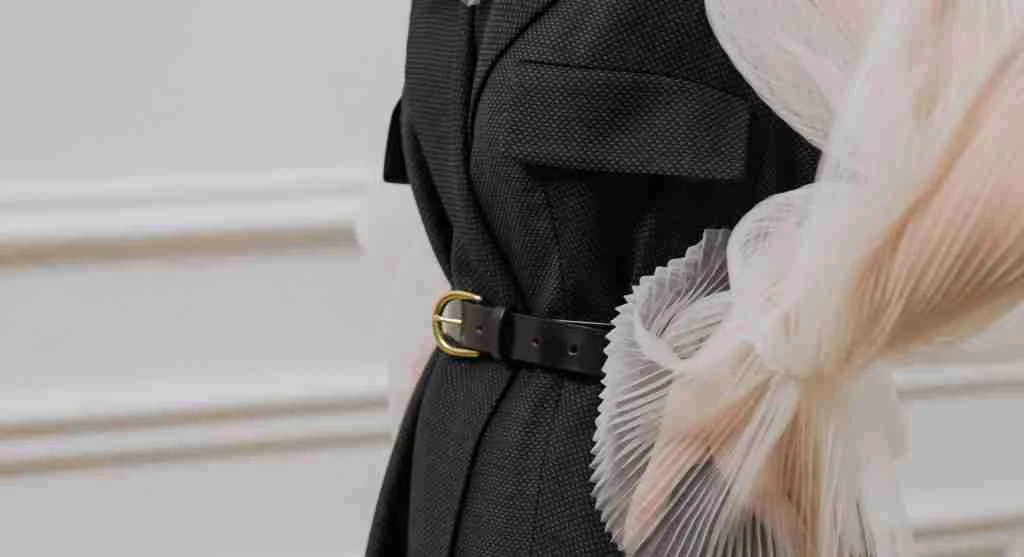
Softer waist emphasis means the outfit acknowledges the middle of the silhouette without forcing a very strong or rigid shape. This may come from a gentle tuck, a natural seam line, a relaxed belt effect, a softly shaped dress, or a layer that creates quiet visual structure through the waist area. The goal is not strong tightness. The goal is readable balance.
This matters because the middle of an outfit often decides whether the clothing feels connected. When the waist area is too undefined, the outfit can seem slightly shapeless. When it is too strict, the look can become harder to wear in daily life. Softer emphasis offers a more practical middle path.
Why stronger waist shaping does not always suit daily life
Very strong waist definition can look striking, but it often asks the rest of the outfit to become more formal or more exact. That may work well in some situations, yet it can feel too controlled for workdays, errands, casual plans, or repeated weekly dressing. Softer waist emphasis usually feels easier because it provides enough structure to guide the silhouette without requiring the whole look to become highly styled.
Stylists often note that the most useful trends are the ones readers can actually live in. Softer shaping works well because it supports daily movement instead of fighting it. The clothing still looks intentional, but it does not demand constant adjustment or a more formal attitude than the day requires.
How softer waist emphasis improves simple outfits
Basic outfits often need one point of structure to feel complete. A simple top and trouser combination may look useful, but without any clear middle, the silhouette can seem flatter than it needs to be. A softer waist effect often helps because it gives the outfit a center without turning the styling into a major statement. The eye begins to understand how the upper and lower halves belong together.
This is why the trend works especially well in wardrobes built around basics. It does not depend on loud accessories or bold prints. It improves the clothing by helping the silhouette read more clearly in a quiet way.
Why dresses and one-piece outfits benefit from it too
Dresses and jumpsuit-like outfits often feel more wearable when the waist area has some gentle guidance. Without any structure, the garment may seem too loose through the middle. With too much shaping, it may start feeling less comfortable or less useful for daily movement. A softer waist line, tie, seam, or wrap-like suggestion can create enough balance without making the garment feel overly dressed.
This is one reason so many easy dresses become wardrobe favorites when their middle is softly shaped. They stay relaxed, but they also stay readable from a styling point of view.
How this trend supports better outfit flow
A good outfit often depends on how smoothly the eye moves from shoulders to shoes. Softer waist emphasis helps this movement because it creates a gentle point of transition instead of a hard stop. The upper half flows into the lower half in a calmer way, which often makes the whole silhouette seem more settled. This can make even very plain clothing look more thoughtful.
That balance matters because readers usually want their outfits to feel complete without looking forced. Softer shaping supports that goal by helping the body line feel more coherent without calling too much attention to itself.
Why layers work well with this trend
Soft blazers, cardigans, overshirts, and light jackets often pair especially well with softer waist emphasis because they can help frame the middle of the outfit without squeezing it. A layer may create the suggestion of shape through its opening, length, or drape instead of through direct tightness. This often feels much more wearable than trying to force the waist through one strong detail alone.
Readers often notice that the right layer makes the whole outfit feel more complete without changing the basic clothes underneath. That is part of what makes this trend so practical. It can be supported through styling, not only through garment construction.
How shoes and accessories should support the same mood
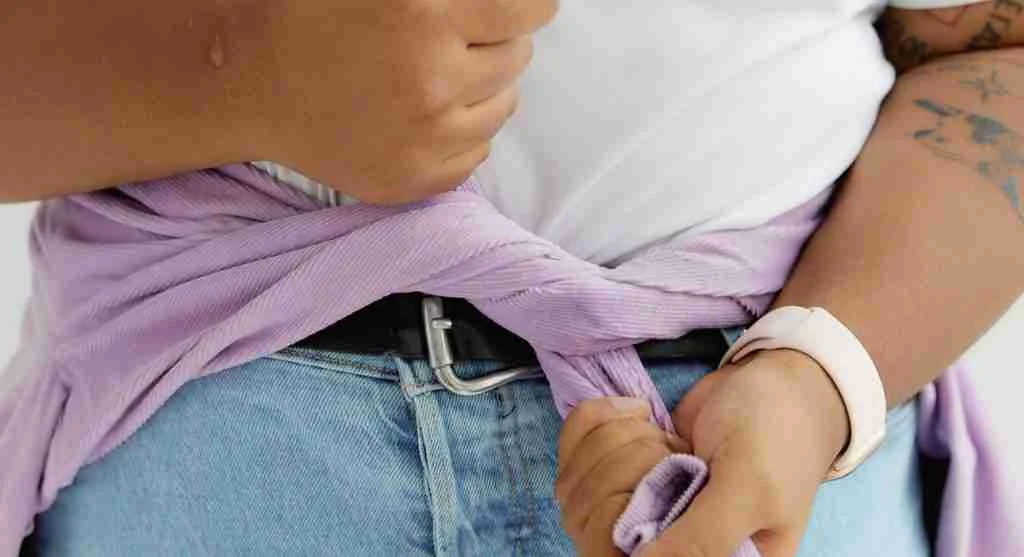
Softer waist emphasis usually creates a calmer and more natural outfit structure, so the shoes and accessories often work best when they support that same feeling. Clean flats, gentle loafers, practical sandals, quieter belts, and bags with moderate structure often pair well because they continue the same balance. Very hard or severe finishing pieces can sometimes pull the outfit back toward a sharper tone than the rest of the clothing is creating.
This does not mean accessories must be invisible. It simply means they should support the outfit’s softer structure rather than undo it. When they do, the full look often feels more unified and much easier to wear.
Why this trend repeats better than stronger silhouette trends
Some silhouette trends are memorable but difficult to repeat because they rely on strong visual drama. Softer waist emphasis usually has more long-term value because it can appear in many kinds of outfits without feeling repetitive or demanding. Readers can use the idea with trousers, skirts, dresses, layers, and light knits across the week while still keeping the wardrobe varied.
Wardrobe planners often explain that the best trends are the ones that quietly improve many outfits rather than dominate one. This trend does that well. It gives the silhouette more clarity without asking the reader to build the entire outfit around one strong statement every time.
How to know if this trend fits your wardrobe
A strong sign is that outfits often feel a little too shapeless when left completely loose, but too formal when styled with stronger cinching or rigid structure. Readers who prefer basics, light layering, practical shoes, and polished but relaxed daily outfits often find softer waist emphasis fits naturally into the way they already dress. It is especially useful when the wardrobe needs more shape but not more stiffness.
If one gentle adjustment around the middle consistently makes several outfits feel more complete, the trend is probably working well for the wardrobe.
Frequently Asked Questions
Q: What is softer waist emphasis in fashion?
A: It is a styling approach that gives the waist area gentle definition without using a very strong cinch, tight fit, or overly formal silhouette.
Q: Why is softer waist emphasis more wearable for daily outfits?
A: It is more wearable because it adds shape and balance while still allowing comfort, ease of movement, and a more relaxed everyday look.
Q: How can I create softer waist emphasis without a tight belt?
A: You can create it through a partial tuck, a softly shaped seam, an open layer, a relaxed wrap effect, or clothing that naturally gives the middle some quiet structure.
Q: Does this trend only work with dresses?
A: No. It works with dresses, but also with trousers, skirts, knitwear, and layered outfits because the effect comes from gentle structure around the middle of the silhouette.
Key Takeaway
Softer waist emphasis is becoming a more wearable trend in everyday outfits because it gives the silhouette more balance without making the clothing feel too controlled or too formal. It improves simple outfits, works well with layers, and helps daily style feel more natural while still looking intentional. For many readers, this trend works because it brings shape and ease into the same outfit at the same time.