Why One Clear Mid-Outfit Shape Can Make Everyday Looks Feel More Controlled Without Feeling Too Styled
What a mid-outfit shape actually means
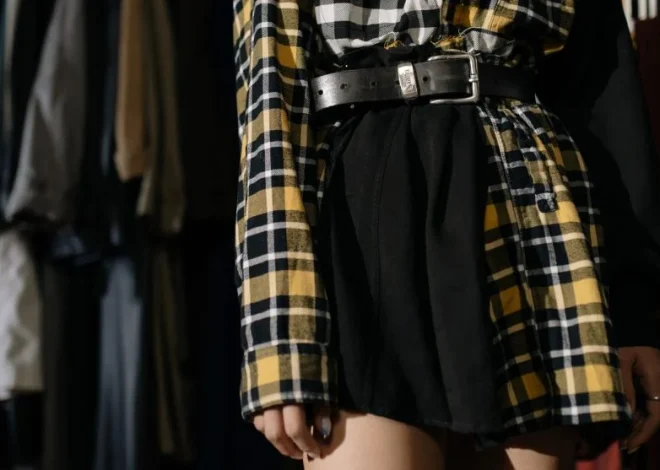
The middle of an outfit is the area where the upper half meets the lower half and where the silhouette either holds together or starts to weaken. This area may be shaped by top length, waistband visibility, layer opening, seam placement, drape, or the relationship between the torso and hips. A clear mid-outfit shape does not need to be tight or dramatic. It only needs to be readable.
This matters because the eye often uses the middle of the body to understand the rest of the outfit. If the center feels uncertain, the top and bottom may seem less connected even when the individual pieces are strong.
Why everyday outfits often feel unclear through the middle
Daily outfits are usually built from practical pieces, which means they often depend on subtle structure more than obvious fashion detail. A shirt may fall too heavily over the waistband. A knit may soften the middle more than expected. A layer may cover the useful transition point without replacing it with another strong line. These issues are not dramatic, but they can make the full outfit feel less settled.
Stylists often explain that basic clothing looks strongest when the silhouette is easy to read. The middle of the outfit is one of the most important places for that clarity to happen. When it disappears, the whole look can begin feeling flatter or more random than it should.
How top length influences the middle more than expected
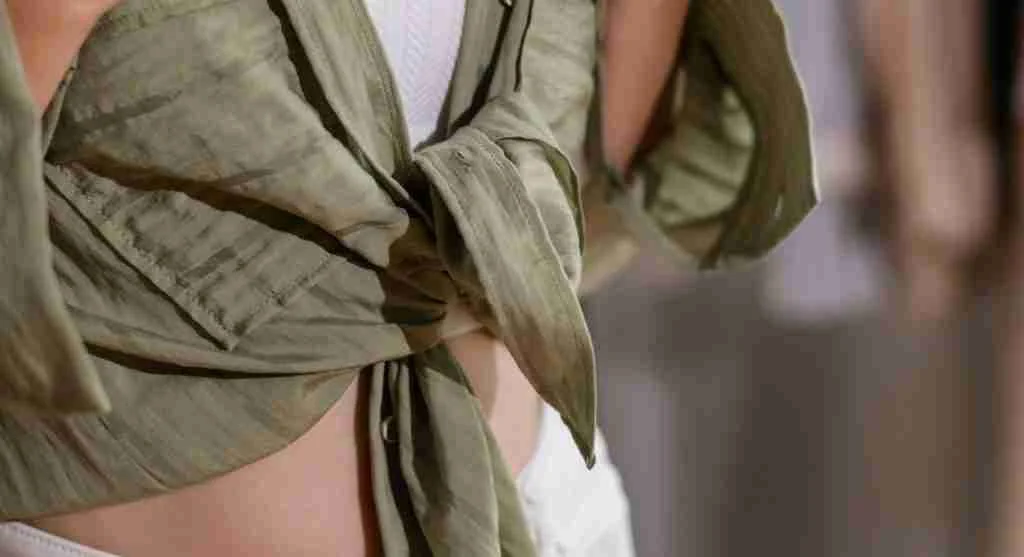
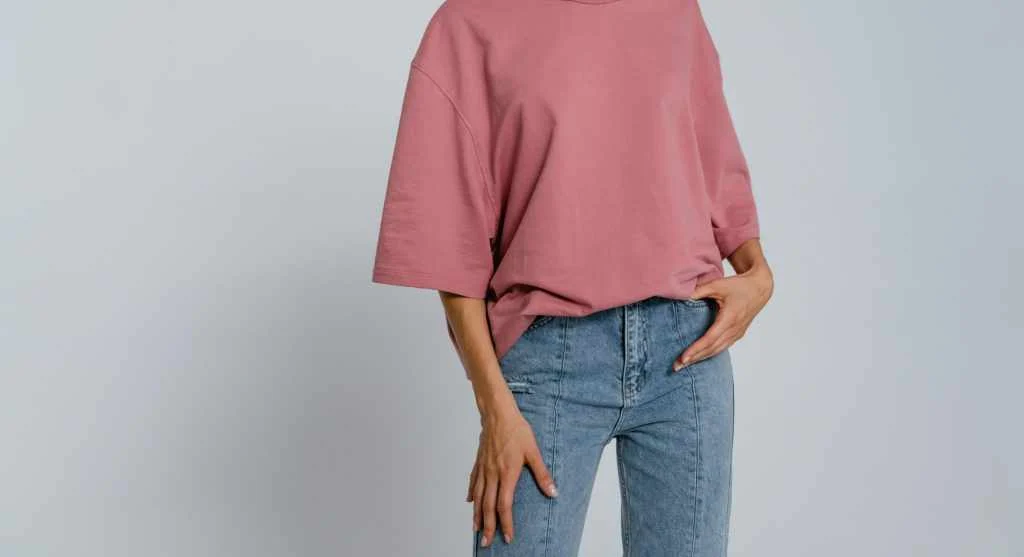
Top length is often one of the first things that decides whether the middle of the outfit will feel controlled. A top that ends too low can blur the shape of the body and weaken the transition into the lower half. A top that ends in a more useful place often makes the outfit look steadier right away because the eye can understand where the upper part ends and the next part begins.
This does not mean every top must be cropped or tucked. It means the ending point of the upper garment should help the silhouette instead of covering its most useful structure.
Why layer openings can create a better middle
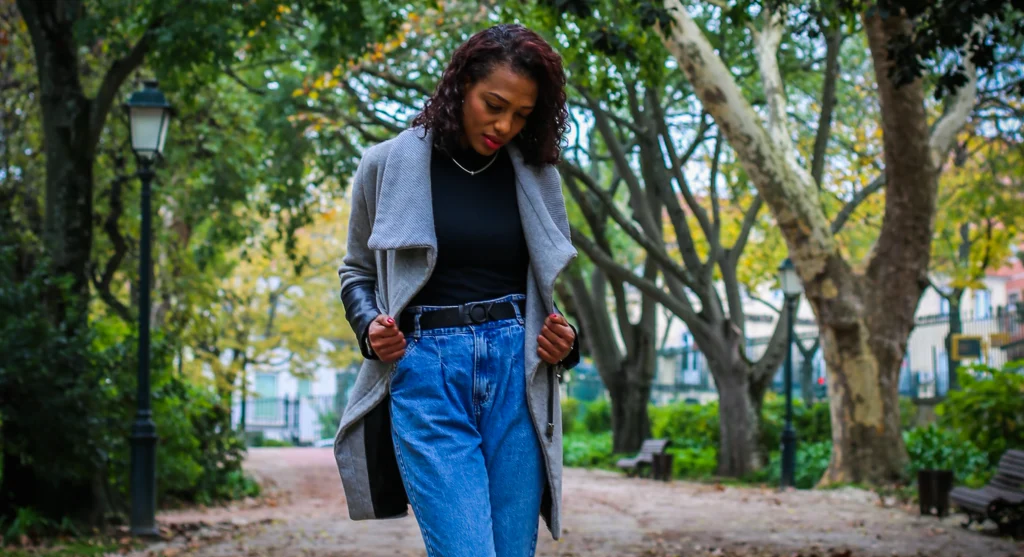
Open layers often help the center of the outfit feel more readable because they guide the eye toward the middle rather than hiding it completely. A cardigan, soft blazer, overshirt, or light jacket can create a clearer vertical frame that supports the torso and makes the lower half feel more connected. When the layer opening works well, it often improves the whole outfit without requiring a strong belt or waist definition.
This is one reason some light layers become so useful in daily dressing. They are not only practical. They quietly shape the center of the look in a more supportive way.
How the lower half supports the middle
The lower half does not only complete the outfit. It also helps determine whether the center feels stable. A clean trouser line, a useful waistband height, or a skirt that begins in a calm and readable way can make the middle of the silhouette much easier to understand. If the lower half introduces too much bulk or uncertainty at the waist and upper hip area, the outfit can lose some of its control right where it needs it most.
This is why dependable bottoms matter so much. They often do more than look good on their own. They help the center of the outfit carry the rest of the silhouette more naturally.
Why this matters even in relaxed dressing
Readers sometimes assume a clear middle shape only matters in dressier outfits, but relaxed clothing often needs it just as much. Loose shirts, soft trousers, easy dresses, and light layers can still look very polished when the center of the look remains readable. Without that clarity, relaxed dressing can sometimes start drifting into visual uncertainty rather than intentional ease.
That is why control and comfort do not have to conflict. A more readable center often makes relaxed clothing look more deliberate without taking away its softness.
How shoes help the center feel finished
Shoes may seem far from the middle of the outfit, but they still influence how stable that central area feels. If the shoes pull too much visual weight downward or shift the tone too sharply, the middle may no longer feel like the true organizing point of the look. A supportive shoe often helps because it allows the outfit’s center to remain the calm point that holds the rest together.
This is one reason everyday shoes matter so much. They do not only finish the look at the bottom. They help decide whether the center of the outfit can stay visually trusted.
Why a clearer middle often reduces overstyling
When the center of the outfit is weak, readers often try to fix the look with more accessories, a stronger jacket, or one more attention-grabbing detail. Sometimes that works, but often the result just becomes busier. A clearer mid-outfit shape usually does more practical work because it improves the foundation of the look. Once that middle is more readable, the outfit often needs less added styling overall.
This is one reason polished daily outfits often seem quieter than expected. The clothing does not need to be pushed harder when the shape at the center is already doing its job.
How to tell when the middle needs help
One sign is that the outfit feels fine piece by piece but less convincing as a whole. Another is that the torso area seems shapeless, heavy, or visually vague once the full look is on. Readers may also notice that one small tuck, one better layer, or one different top length improves everything right away. These are often clues that the center of the outfit needed more clarity.
In those moments, the answer is often not a new trend piece. It is simply a clearer middle that helps the whole look make better sense.
Why a strong middle often looks more expensive
Outfits with a clearer mid-section often seem more polished because they feel more organized from the inside out. The eye understands the silhouette more quickly, which makes the look feel more deliberate and finished. This can make very simple daily clothes appear more refined than louder outfits with weaker structure.
For many readers, this is one of the most useful style basics to understand. Better everyday dressing often begins when the center of the outfit becomes more readable and the rest of the clothing no longer has to compensate for a weak middle.
Frequently Asked Questions
Q: What is a mid-outfit shape?
A: It is the visible structure in the middle of the outfit where the upper and lower halves connect, often shaped by top length, layer opening, and waistband area.
Q: Why does a clearer middle make outfits feel more controlled?
A: It helps because the eye can read the silhouette more easily when the center of the look is understandable instead of blurred or visually uncertain.
Q: Does a clear middle require a tight waist?
A: No. It only requires the center of the outfit to feel readable. That can come from top length, layering, seams, or calm transitions rather than from tight shaping.
Q: How can I improve the middle of an outfit quickly?
A: Try adjusting the top length, adding a useful open layer, or choosing bottoms that support a cleaner waist and upper-hip area so the silhouette feels more connected.
Key Takeaway
One clear mid-outfit shape can make everyday looks feel more controlled without feeling too styled because it gives the silhouette a readable center that helps the top, bottom, and shoes work together. When that middle becomes calmer and easier to understand, simple clothing often looks more polished with less effort. For many readers, stronger daily style begins when the center of the outfit stops feeling vague and starts giving the whole look better structure.

Related Posts

Why One Clear Start-and-Finish Shape Can Make Everyday Outfits Feel More Complete Without Extra Styling

Why One Clear Visual Weight Pattern Can Make Everyday Outfits Feel More Balanced and Easier to Trust