8 Lifestyle Tips That Can Make Daily Life Feel More Manageable
Lifestyle tips are often most helpful when they make ordinary days feel easier to handle. Many people are not looking for dramatic change. They want daily habits that reduce stress, save time, and make home life feel calmer. Small practical choices often have more impact than large plans that are hard to keep.
Productivity coaches, professional organizers, and behavior specialists often explain that organized living usually comes from repeatable systems rather than perfect motivation. When the day has a little more structure, even busy routines can feel less scattered and more manageable.
Why lifestyle tips work best when they stay realistic
Advice often sounds useful until it meets a real schedule. That is why the most effective lifestyle tips are usually the ones that fit normal mornings, working hours, meals, family needs, and evening fatigue. A simple routine that works on an average day is often more useful than an ideal plan designed for unlimited time.
Behavior experts often note that routines last longer when they are practical enough to repeat. Daily habits do not need to look impressive. They need to make life easier in a steady way.
1. Start the day with one small reset
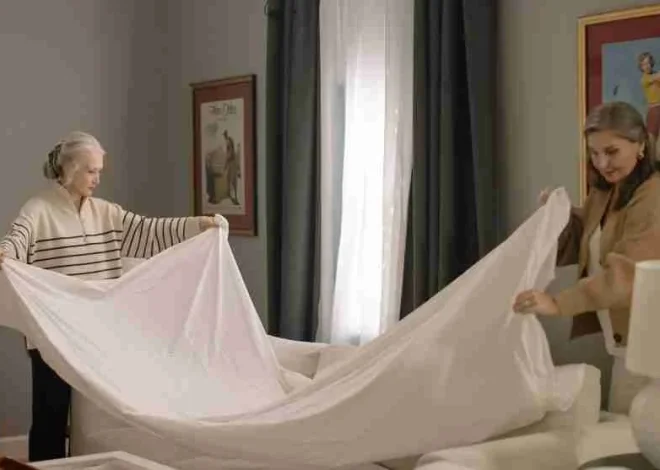
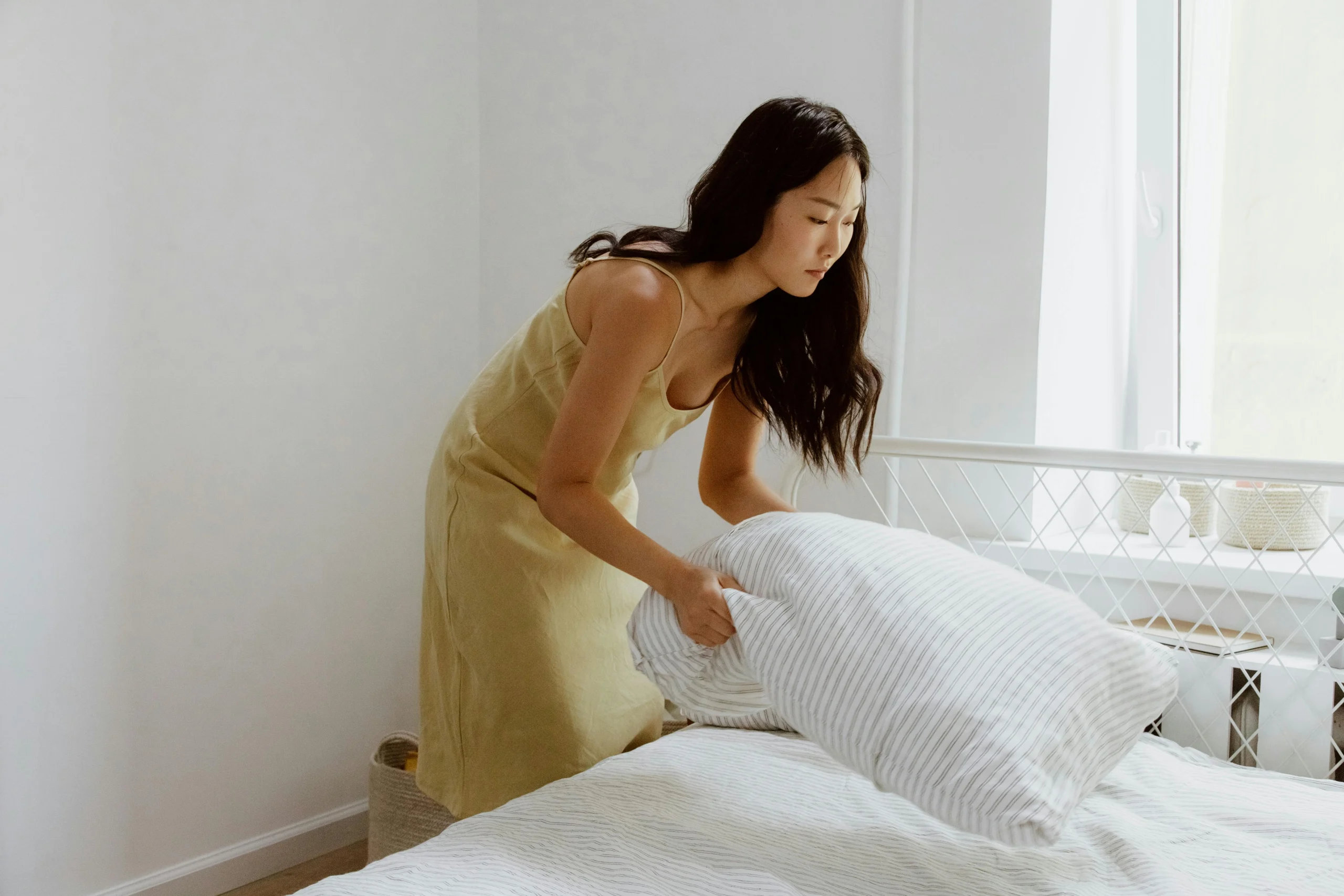
A short reset at the start of the day can shape everything that follows. This could mean opening curtains, making the bed, drinking water, or clearing one surface. These actions are small, but they create a sense of order early on.
Many routine specialists point out that early structure helps reduce the feeling of being behind before the day even begins. A small win can support a more stable mindset through the next few hours.
Credit: Ron Lach / Pexels
2. Reduce clutter where daily habits happen most
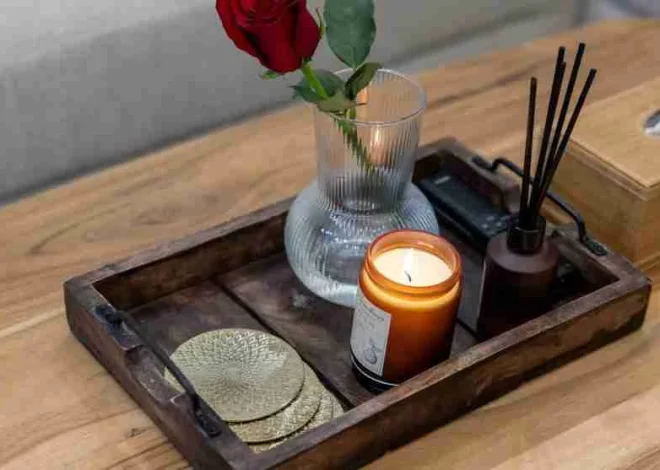
Organized living does not always require a full home cleanout. In many cases, it helps more to focus on the spaces used every day, such as the kitchen counter, bathroom sink, desk, entryway, or bedside table. These areas shape daily flow more than storage corners that are rarely touched.
Professional organizers often say that visible clutter creates visual pressure. When key spaces are simpler, common tasks feel easier and take less energy.
3. Use simple routine anchors through the day
Routine anchors are steady points that help organize the day without planning every minute. Waking up, breakfast, work start time, lunch, dinner, and bedtime can all act as anchors. These moments create rhythm, even if the hours between them change.
Time-management specialists often recommend anchors because they support structure without demanding a rigid schedule. This can make daily habits easier to keep over the long term.
4. Prepare one thing ahead for tomorrow
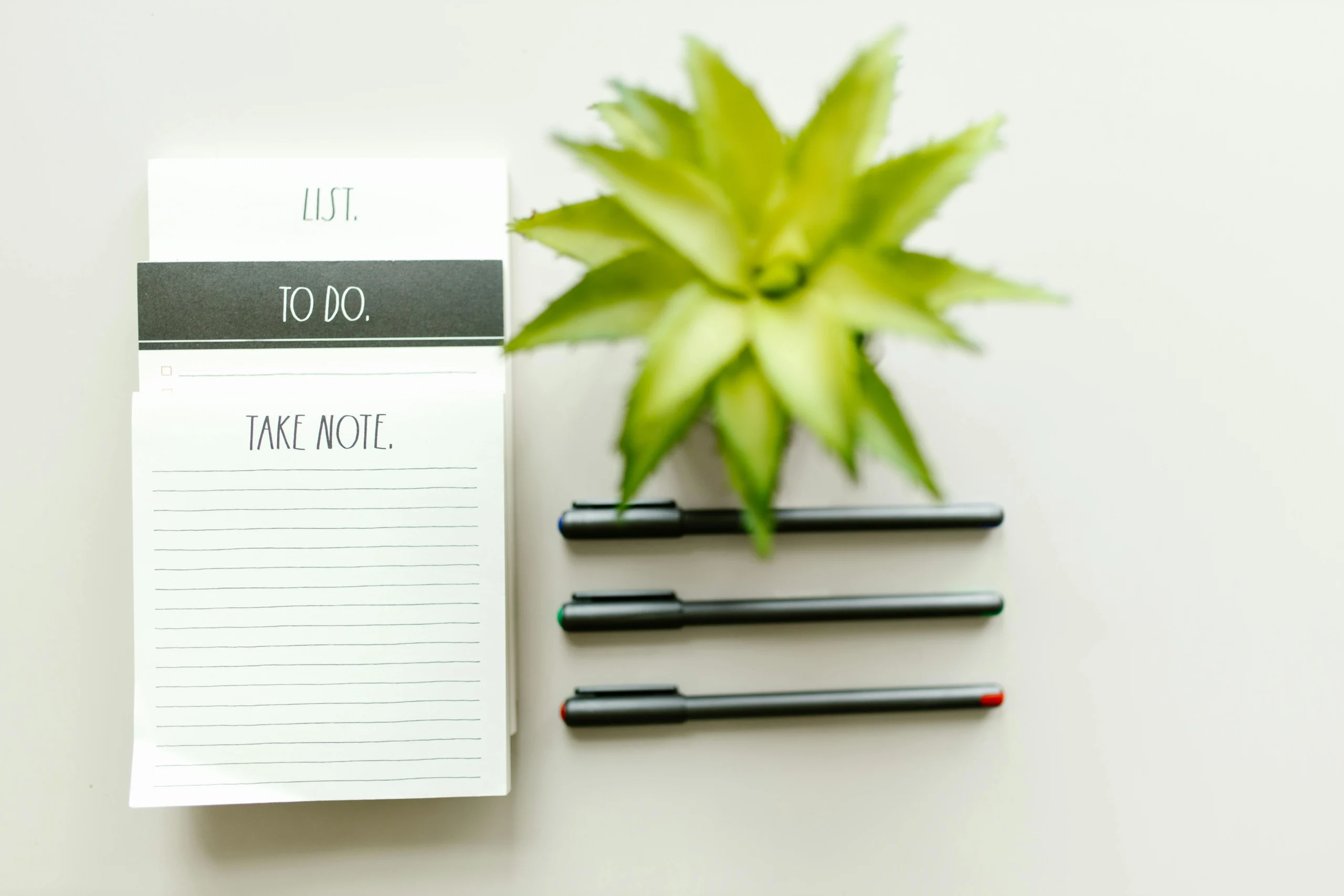
One of the most useful lifestyle tips is preparing a single helpful thing before the day ends. This could mean setting out clothes, packing a bag, reviewing the calendar, or tidying the main room. Small preparation often removes stress from the next morning.
Many people do not need a full evening routine. They only need one or two actions that reduce friction later. These small steps often make the next day feel more manageable.
5. Keep meals and home tasks simpler during busy periods
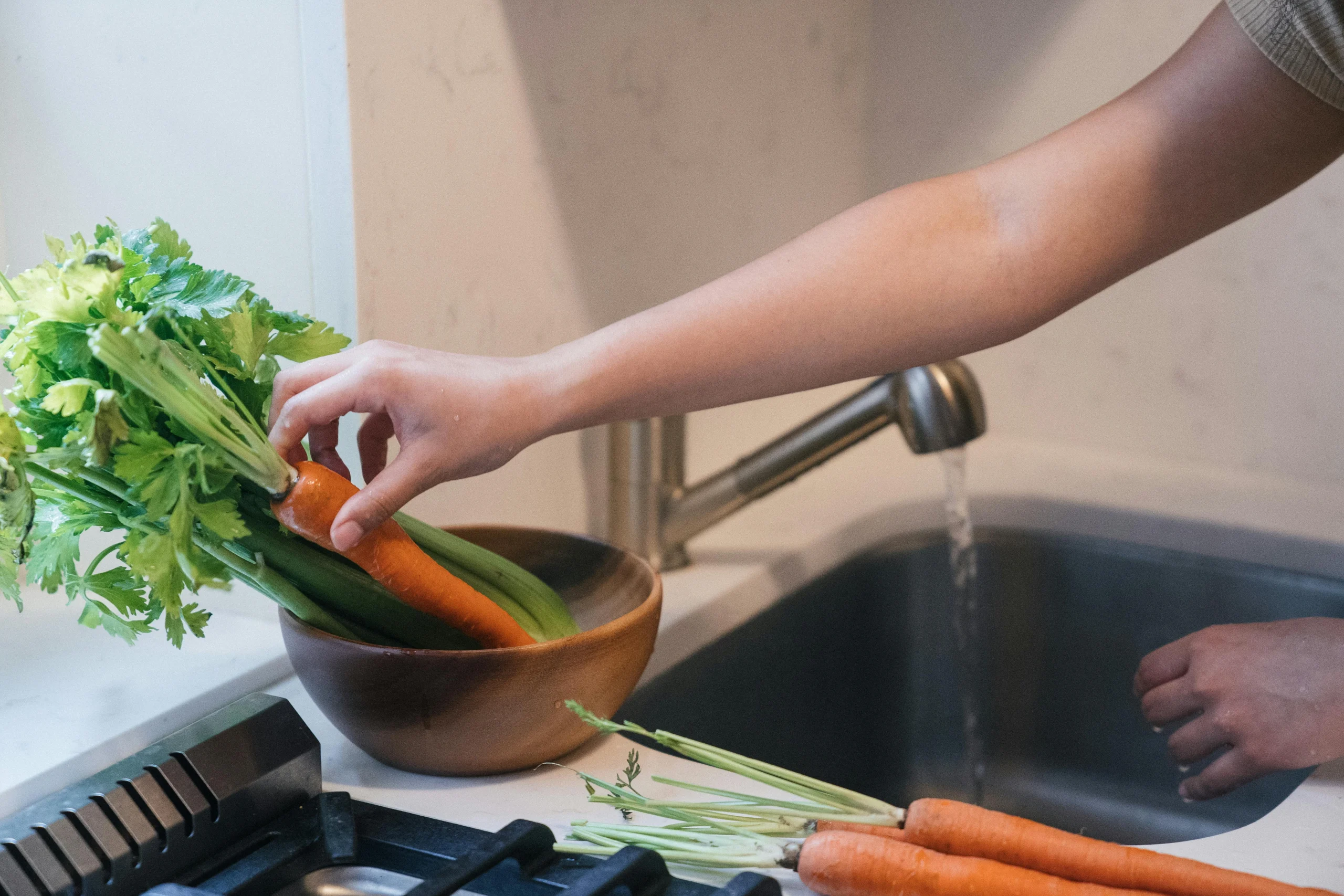
Daily life often becomes harder when everything is treated like it needs maximum effort. During busy weeks, simple meals, repeated grocery basics, and shorter home-care routines can protect time and energy. Organized living often depends on knowing when to simplify.
Household management experts often explain that consistency matters more than complexity. A simple system repeated regularly usually works better than a detailed system used only once in a while.
Credit: Mike Jones / Pexels
6. Protect a short quiet moment each day
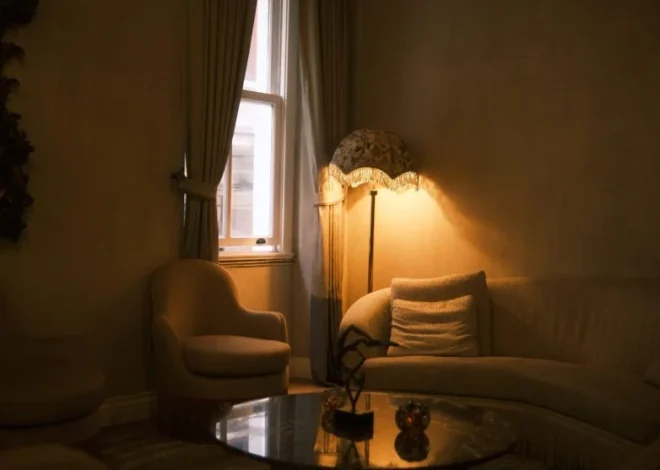
Many routines focus only on output and task completion. Still, a short quiet moment can improve how the day feels overall. This might be a few minutes with tea, a walk outside, quiet reading, or simply sitting without multitasking. Small pauses can help reset attention.
Wellness and behavior experts often note that short breaks improve focus and reduce mental overload. A manageable routine usually includes at least one moment that is not about rushing.
7. Build daily habits around what already happens
New habits are often easier to keep when they connect to actions already in place. A person might drink water after brushing teeth, review the day after morning coffee, or clear a counter after dinner. Linking habits to existing routines makes them easier to remember.
Habit researchers often suggest this method because familiar triggers reduce the need for constant motivation. The routine begins to feel automatic over time.
8. Review what is making life harder than it should be
Some daily stress comes from repeated points of friction that never get addressed. This could be lost keys, clutter near the door, no clear laundry system, poor bag storage, or too many items on key surfaces. Lifestyle tips are most useful when they solve these repeating problems directly.
Professionals who study home organization often advise looking for the moments that create the same frustration every week. These are usually the best places to make simple changes that last.
How lifestyle tips support organized living over time
The value of lifestyle tips usually grows through repetition. One small adjustment may not transform the whole week, but several steady habits can gradually reduce stress and create more order. Organized living is often built from many quiet improvements rather than one major reset.
For most readers, a more manageable life comes from systems that respect real energy levels, real time limits, and real daily needs. Simple routines usually last longer because they ask less while still giving something back.
Frequently Asked Questions
Q: What are the most useful lifestyle tips for busy people?
A: The most useful lifestyle tips for busy people usually include simple routine anchors, small preparation steps, and better organization in everyday spaces. These habits reduce stress without requiring large amounts of extra time.
Q: How can daily habits become easier to keep?
A: Daily habits often become easier to keep when they are small, realistic, and linked to actions that already happen each day. Simpler routines are usually easier to repeat consistently.
Q: What is organized living in practical terms?
A: Organized living usually means daily tasks feel easier to manage because key spaces, routines, and habits work in a clear way. It does not mean everything is perfect all the time.
Q: Why do simple routines often work better than detailed plans?
A: Simple routines often work better because they fit real life more easily. Detailed plans can break quickly when the day changes, but flexible systems are easier to maintain.
Key Takeaway
The best lifestyle tips are usually the ones that make ordinary days feel calmer and easier to manage. Small daily habits, simple routine anchors, and better organization in key spaces can support more organized living without adding pressure. For many readers, useful lifestyle tips work because they are practical enough to keep every day.