How to Follow Fashion Trends Without Making Your Wardrobe Harder
Fashion trends can be useful, but they can also make a wardrobe harder to manage when they are followed without a clear plan. Many readers enjoy seeing what feels current each season, yet daily dressing still needs to work for errands, work, weather, movement, and repeated wear. That is why trend-based style works best when it supports the closet instead of taking it over.
Fashion editors, stylists, and retail analysts often explain that the strongest use of fashion trends is practical rather than extreme. A trend usually becomes more wearable when it fits naturally with basics that are already part of daily life. This keeps the wardrobe current without making it confusing.
Why fashion trends can make a closet feel harder to use
A wardrobe often becomes difficult when too many pieces depend on one very specific moment, mood, or styling idea. Trend items can sometimes look exciting on their own but fail once they need to work with normal shoes, common outerwear, or the reader’s existing trousers, jeans, and shirts. The closet begins to hold more isolated pieces and fewer dependable combinations.
Wardrobe planners often note that the problem is not fashion trends themselves. The problem is adding them without checking whether they connect to the rest of the wardrobe. A useful closet depends on connection more than novelty.
How fashion trends work best with wardrobe basics
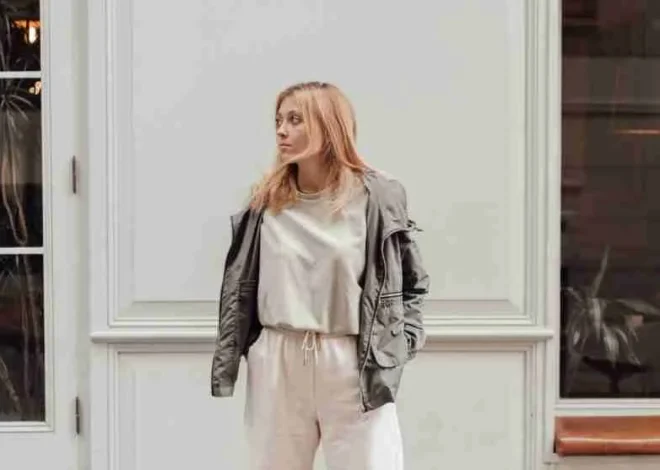
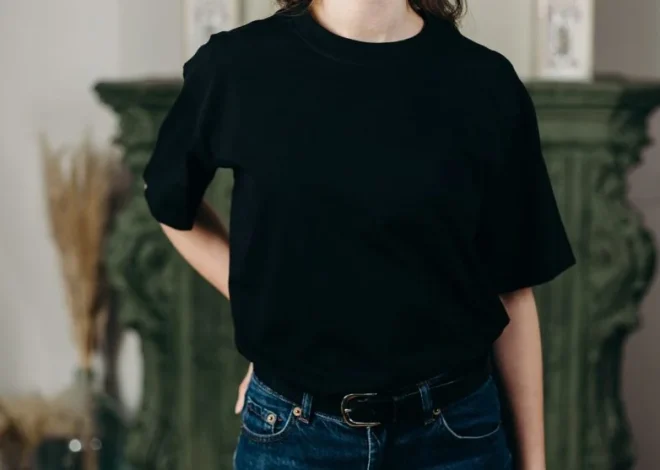
Trends usually become easier to wear when they are anchored by wardrobe basics. A modern trouser shape can pair with a plain knit. A trending shoe can work with a clean white shirt and denim. A current jacket can sit over a simple dress or dark trousers. Basics keep the outfit grounded while the trend adds freshness.
Stylists often recommend changing one area of the outfit at a time. This helps readers test fashion trends without rebuilding the whole look. It also makes the outfit easier to repeat after the first wear.
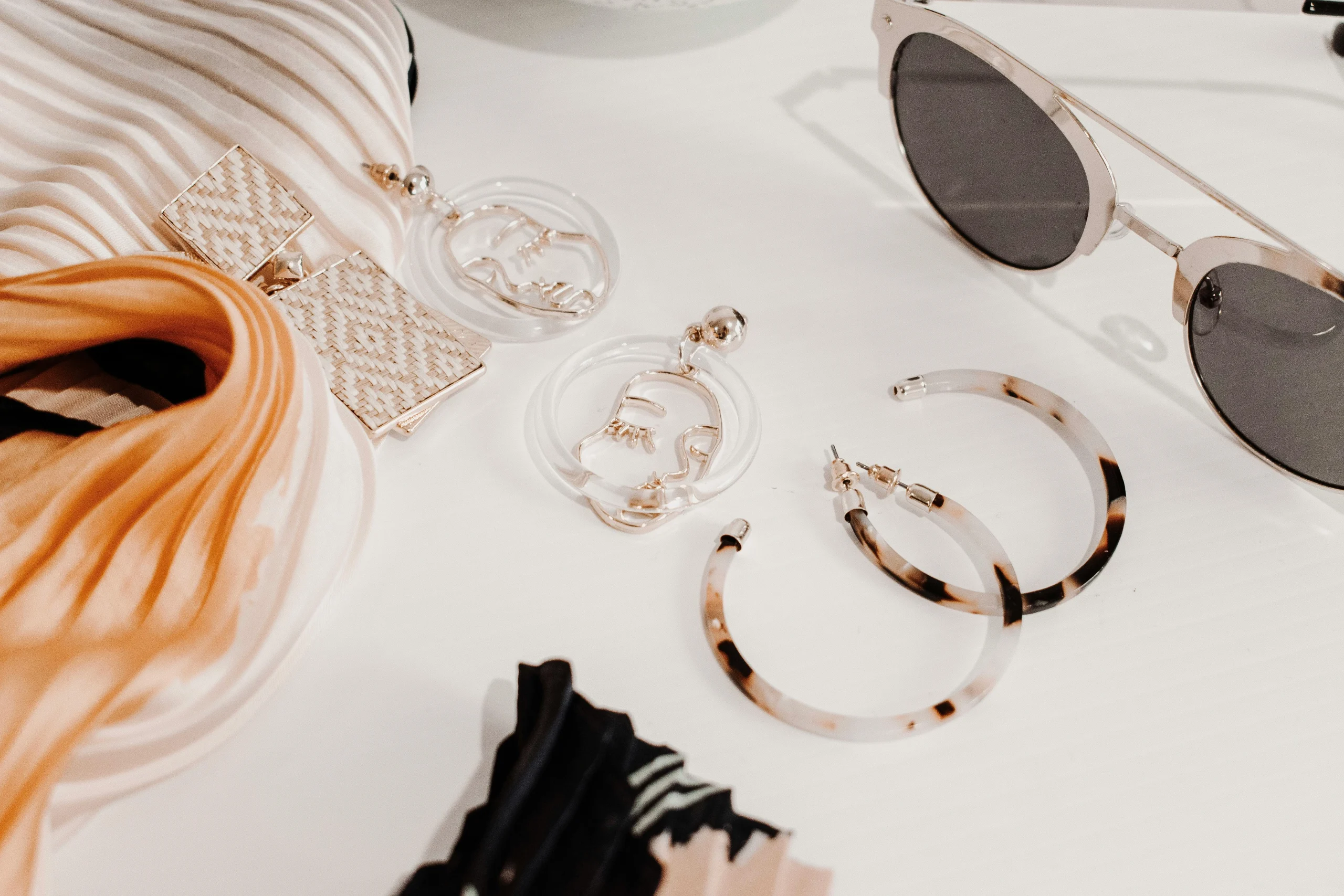
Credit: Harper Sunday / Pexels
Why one strong trend piece is often enough
Many outfits look better when only one clearly current detail leads the look. This might be a trouser shape, a sneaker style, a bag silhouette, a seasonal color, or a jacket cut. When too many trend-focused elements appear at once, the outfit can become harder to read and more difficult to repeat in daily life.
Fashion editors often suggest that one strong trend piece allows the rest of the outfit to remain calm and wearable. This gives the look a modern edge without making it feel forced.
How to tell whether a trend piece will really be useful
A trend piece is usually more useful when it can work in at least three real outfits. It should also match the reader’s schedule, climate, and comfort needs. If the item only suits one narrow moment, it may create more wardrobe pressure than value.
Retail behavior specialists often explain that repeat wear is the clearest sign of a strong purchase. Fashion trends become less risky when they are judged by usefulness rather than excitement alone.
Wearable style often comes from familiar shapes
Not every trend needs to feel dramatic. Many of the easiest fashion trends to use are small shifts in shapes readers already know, such as slightly wider trousers, softer tailoring, calmer color updates, or newer shoe lines that still work with everyday basics. These changes feel current without feeling disconnected from daily life.
Stylists often note that wearable style is less about copying a full trend image and more about adapting a current idea into a familiar outfit formula. This is often what makes a trend last longer in a real wardrobe.
Why seasonal fashion trends should be filtered through routine
Seasonal fashion trends can look appealing because they arrive with strong visual coverage and fresh styling ideas. Still, they do not always fit the reader’s weather, movement, or everyday needs. A heavy fabric may not suit a warm climate. A delicate shoe may not fit a busy day. A very oversized layer may not work with the rest of the closet.
Wardrobe consultants often suggest asking a simple question before following a seasonal trend: will this work in regular life, not just in a styled image? That question often prevents clutter and saves money.
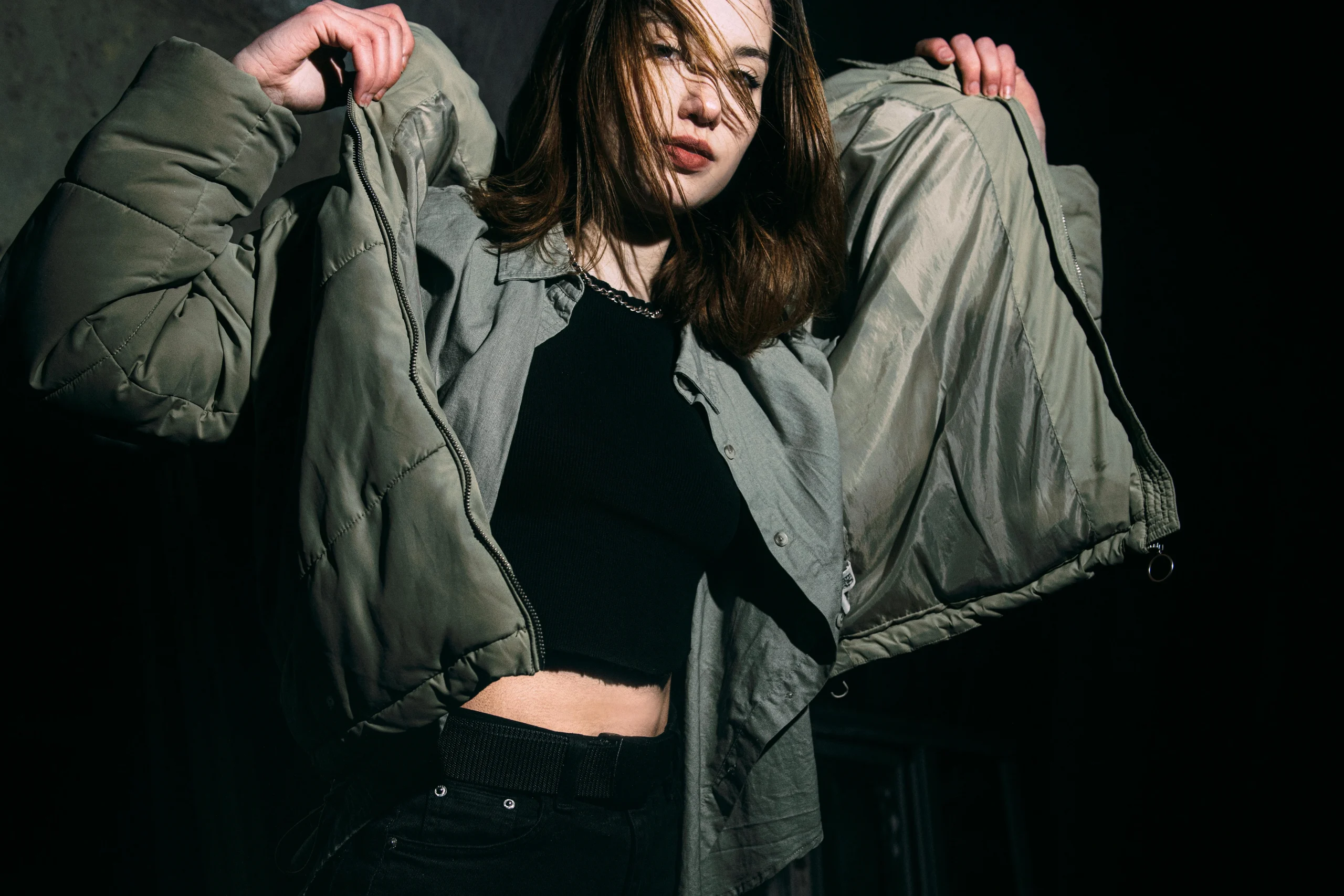
Credit: Konstantin Mishchenko / Pexels
How color trends can refresh a wardrobe gently
Color is often one of the easiest ways to use fashion trends without making dressing harder. A new seasonal tone can enter through knitwear, accessories, footwear, or one shirt rather than a full outfit reset. This helps the wardrobe feel updated while keeping most combinations familiar.
Fashion professionals often point out that softer color changes are easier to mix with basics than dramatic pattern changes. That is why color trends can be a practical starting point for readers who want a small update.
Why trends should not replace personal routine
Personal routine matters because it decides what clothing actually gets worn. An outfit may look current, but if it does not support walking, sitting, commuting, working, or repeated use, it may not belong in a practical closet. Fashion trends work best when they fit existing habits instead of competing with them.
Personal style often becomes stronger when readers know which shapes, fabrics, and shoes suit their life first. Trends can then be added in smaller, smarter ways. This usually creates a wardrobe that feels more current and less chaotic.
How to keep fashion trends from taking over the whole closet
A useful rule is to let basics stay in the majority and trends stay in the minority. This keeps the wardrobe stable while still allowing room for change. Readers do not need every item to look new. They need enough familiar structure for getting dressed to stay easy.
Closet planners often note that trends are strongest when they refresh the wardrobe, not when they replace its foundation. A closet with too many trend pieces may look exciting briefly but can become difficult to use over time.
Frequently Asked Questions
Q: How can fashion trends feel easier to wear?
A: Fashion trends usually feel easier to wear when they are paired with wardrobe basics and introduced one piece at a time. This keeps the outfit balanced and more practical for daily use.
Q: What is the best way to test trend pieces?
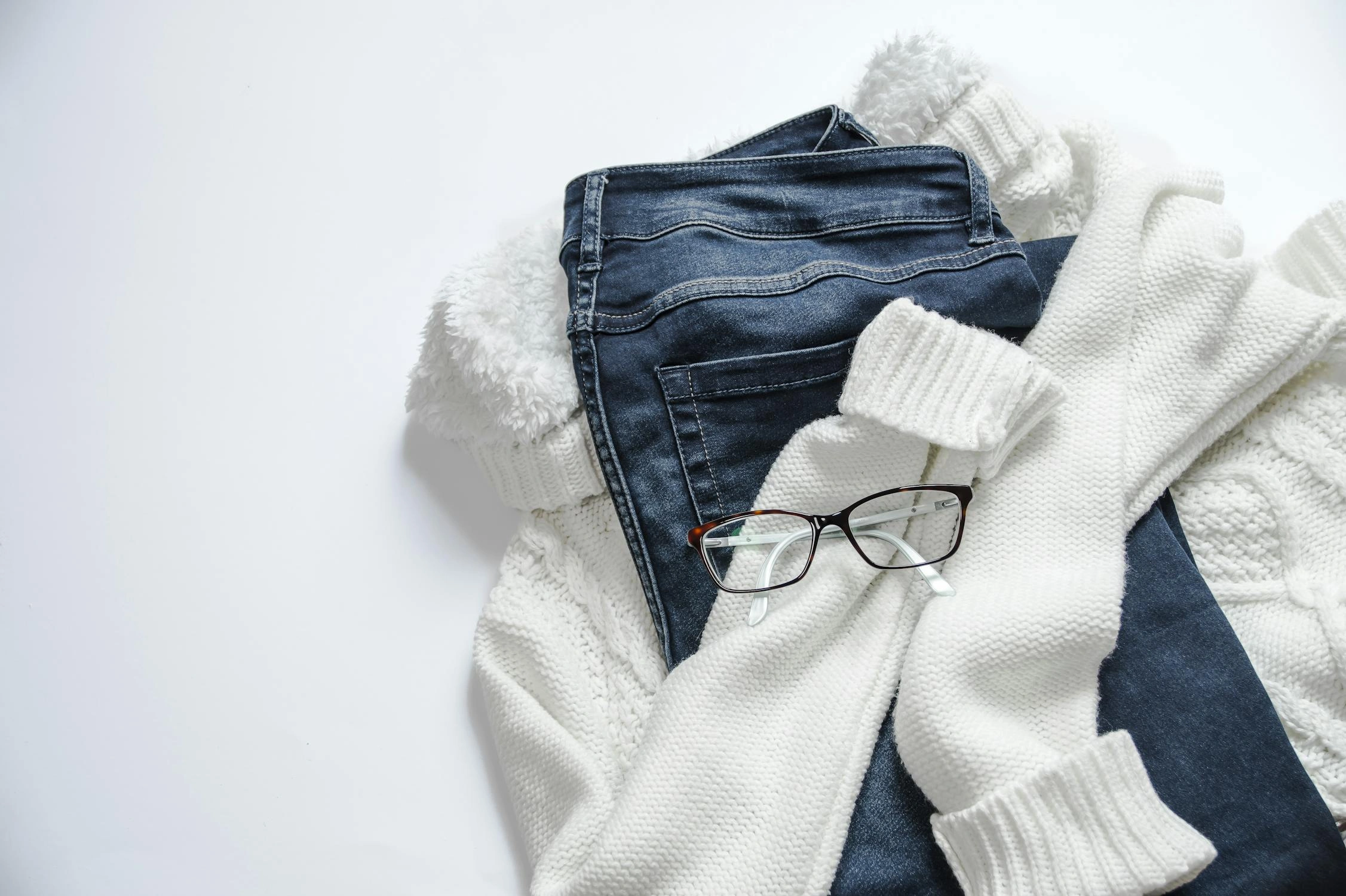
A: A good way to test trend pieces is to style them with clothes already worn often, such as simple trousers, denim, knitwear, or neutral shoes. This shows whether the trend actually fits the wardrobe.
Q: Can fashion trends work in a small wardrobe?
A: Yes. Fashion trends can work in a small wardrobe when they are chosen carefully and mix well with basics. Small closets often benefit from fewer but more flexible trend updates.
Q: Why do some trends stay unworn?
A: Some trends stay unworn because they do not match the reader’s routine, climate, comfort level, or existing clothes. The issue is often practicality, not interest.
Key Takeaway
Fashion trends work best when they support the wardrobe instead of making it harder to use. Trend pieces usually become more wearable when they mix with basics, fit daily life, and stay limited enough to keep the closet balanced. For many readers, fashion trends feel most useful when they refresh the wardrobe without replacing its foundation.