Why Simple Lifestyle Tips Often Make the Biggest Difference in Daily Life
Lifestyle tips often seem small, but small habits can shape how the whole day feels. Many readers are not looking for a dramatic reset. They want routines that reduce friction, save time, and make daily life feel calmer and easier to manage.
Behavior specialists, productivity coaches, and home organization experts often explain that lasting change usually comes from repeatable habits rather than intense short-term effort. When simple routines fit real life, they often do more than complicated systems that look helpful but rarely last.
Why simple lifestyle tips often work better than big plans
Big plans can feel motivating at first, but they often rely on high energy, extra time, and perfect timing. Daily life rarely works that way. Schedules shift, unexpected tasks appear, and energy changes from one day to the next. That is why lifestyle tips usually work better when they are small enough to survive a normal week.
Habit experts often note that practical routines are easier to repeat because they ask less from the person using them. A small step done often usually creates more real change than a larger step done only once in a while.
How lifestyle tips reduce daily friction
Many daily frustrations come from repeated points of friction. This can mean not knowing what to wear, misplacing small essentials, leaving tasks unfinished until late, or starting the day feeling rushed. Lifestyle tips help by reducing these small but frequent problems before they become bigger.
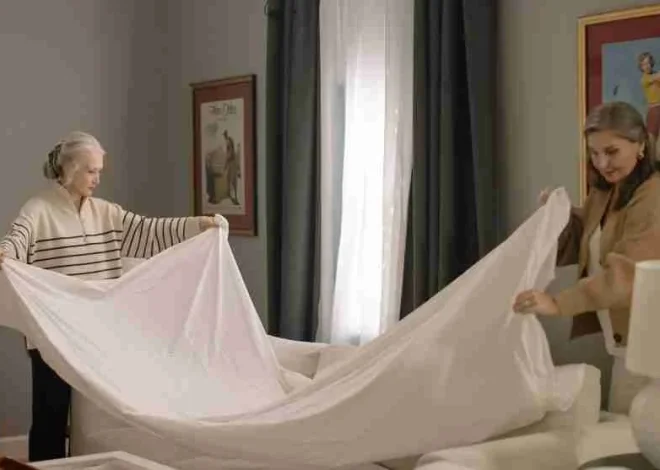
Professional organizers often describe friction as the hidden problem behind messy routines. When the daily system is unclear, every task takes a little more energy. A few simple habits can remove that pressure and make the day feel more stable.

Credit: Sarah Chai / Pexels
Why daily routine matters more than occasional effort
A daily routine shapes how time, energy, and attention are used. Occasional bursts of effort can help in certain moments, but everyday structure is what usually determines whether life feels scattered or manageable. A useful routine does not need to control every hour. It only needs to support the most repeated parts of the day.
Time-management researchers often suggest that routines are strongest when they reduce repeated decisions. Morning anchors, predictable meal times, work start habits, and evening resets can all help create a steadier rhythm without making the day feel rigid.
Simple habits often protect mental energy
One reason small habits matter is that they protect mental energy. Choosing the same breakfast during busy weeks, setting out clothes early, or keeping one main surface tidy can remove several small decisions. These choices may seem minor, but together they lighten the mental load.
Behavior experts often note that decision fatigue builds quietly throughout the day. Lifestyle tips that reduce unnecessary choices can make the rest of the day feel clearer and easier to manage, especially during busy periods.
How organized living supports calmer routines
Organized living does not mean having a perfect house or a highly controlled schedule. It usually means the parts of life used most often are easier to manage. Clear counters, a place for everyday items, and a few steady routines can support more order without requiring constant cleaning or complicated systems.
Home organization specialists often point out that visible order affects mood and movement. When key areas stay usable, people can move through the day with less visual and mental pressure.
Why preparation the night before often helps most
Many useful lifestyle tips focus on what happens before the next day begins. A short evening reset can lower stress the following morning more than many people expect. This could mean checking the calendar, preparing clothing, clearing one room, or packing the items needed for the next day.
Routine coaches often say the next morning usually begins the night before. Even one small preparation step can make a busy start feel less rushed and more controlled.

Credit: Vitaly Gariev / Pexels
Why routines should match energy, not only goals
Some routines fail because they are built around the person someone hopes to be, not the person managing a real schedule. Goals matter, but daily structure often works better when it matches actual energy levels. A routine that can survive tired evenings and rushed mornings is usually more valuable than one that only works on ideal days.
Habit specialists often recommend designing routines around the lowest realistic energy point, not the highest. This makes the system more likely to stay in place when life becomes busy or unpredictable.
Lifestyle tips work best when they stay flexible
Flexibility is one reason some habits last longer than others. A rigid plan may look efficient, but it can fall apart quickly when work, family needs, travel, or weather changes. Lifestyle tips often succeed because they give structure without demanding perfection.
Productivity experts often suggest using anchors instead of strict schedules. Waking, meals, work blocks, resets, and bedtime can stay fairly steady while the rest of the day moves around them. This creates order without making the day feel overly controlled.
What lasting simple habits often have in common
Lasting habits are usually visible, repeatable, and connected to real needs. They often happen in the same place, at roughly the same time, or after an action that already exists in the day. This is why putting water beside the bed, keeping keys near the door, or tidying after dinner often works well. These habits attach themselves to ordinary life instead of needing constant reminders.
Experts in behavior change often explain that successful routines feel natural after enough repetition. The best lifestyle tips usually become part of the day so gradually that they stop feeling like a special effort at all.
Frequently Asked Questions
Q: Why do simple lifestyle tips often work so well?
A: Simple lifestyle tips often work well because they are easier to repeat in real life. Small habits usually last longer than large plans that depend on extra time or energy.
Q: What are the best lifestyle tips for a busy routine?
A: The best lifestyle tips for a busy routine often include simple morning anchors, evening preparation, reduced clutter in key spaces, and small habits that lower daily decisions.
Q: Does organized living mean keeping everything perfect?
A: No. Organized living usually means the spaces and routines used most often are clear and manageable. It does not require constant perfection.
Q: How can a daily routine become easier to maintain?
A: A daily routine often becomes easier to maintain when it is practical, flexible, and built around actions that already happen each day. Simpler habits are usually easier to keep steady.
Key Takeaway
Simple lifestyle tips often make the biggest difference because they fit naturally into real life and reduce daily friction in small but consistent ways. Better routines, small preparation habits, and more organized living can help everyday life feel calmer without adding extra pressure. For many readers, the most useful lifestyle tips are the ones that remain practical enough to repeat every day.