
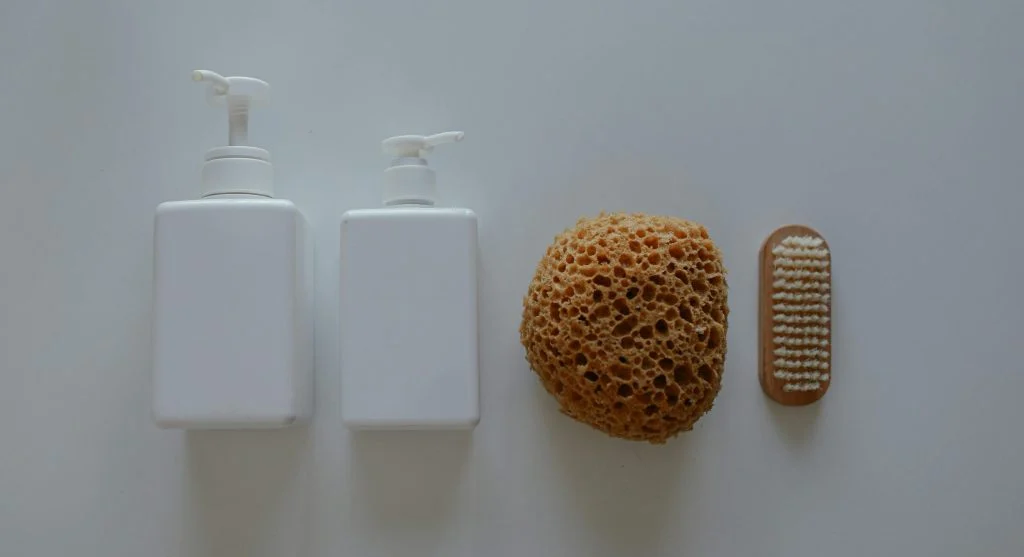
8 Daily Grooming Habits That Can Make Self-Care Feel More Manageable All Week
Daily grooming habits often feel easiest to keep when they are simple enough to survive the whole week. Many readers manage self-care well for a day or two, then lose the routine once work gets busier, mornings get rushed, or evenings feel too tiring. In most cases, the problem is not a lack of effort. It is that the routine asks for more than ordinary life can keep supporting.
Grooming specialists, habit experts, and personal care educators often explain that the most useful self-care routines are the ones that stay practical through normal weeks. That is why daily grooming habits often work best when they reduce friction, rely on repeatable steps, and fit the pace of real daily life instead of ideal conditions.
Why daily grooming habits matter more than occasional effort
Many readers focus on doing more when they have extra time, but daily upkeep usually depends on consistency rather than intensity. A routine that can still happen on a tired evening or a rushed morning often creates more long-term value than a more detailed routine that disappears whenever the schedule changes.
Habit researchers often note that repeated small actions shape self-care more effectively than occasional bigger efforts. This is one reason daily grooming habits often matter more than routines that only work when the day feels unusually calm.
1. Keep only the true daily essentials visible
One of the strongest grooming habits is keeping the routine area clear enough to use without hesitation. When too many products stay on the counter, self-care can begin to feel crowded and harder to follow. A simpler setup with only the most-used items visible often makes the routine feel lighter right away.
Professional organizers often explain that visual clutter slows down habit flow. Readers are more likely to follow through when the needed items are easy to see and easy to reach.
2. Follow the same order each day
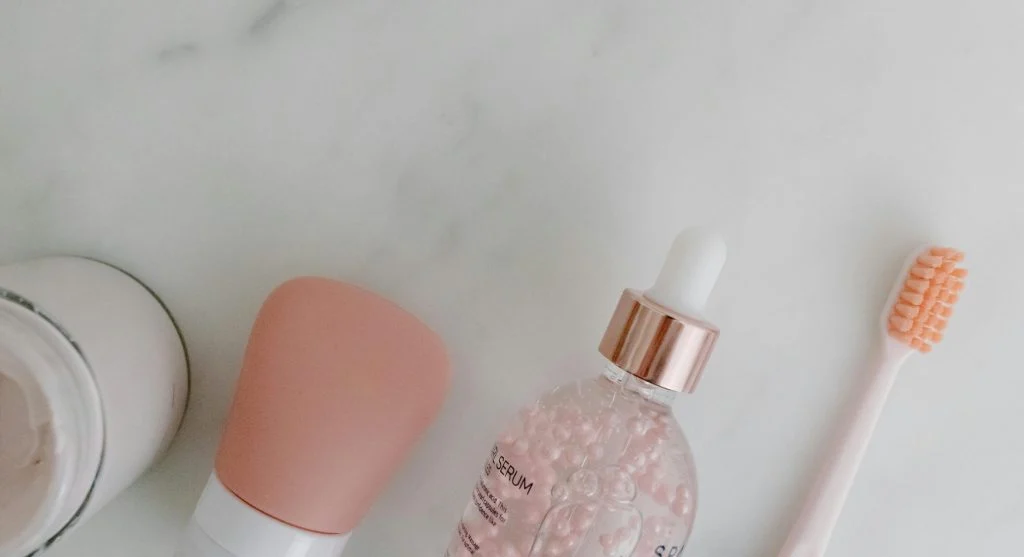
Self-care often becomes easier when the order stays familiar. Readers do not need to stop and rethink each next step. A clear sequence lowers hesitation and helps the routine feel more automatic over time. This is especially useful during busy mornings, when too many decisions can make even a short routine feel difficult.
Behavior specialists often explain that repeated order supports habit memory. The simpler the pattern feels, the easier it becomes to keep it moving through the week.
3. Keep a shorter version ready for tiring days
One of the most useful daily grooming habits is preparing a faster version of the routine for days when time or energy is lower. A shorter version helps readers maintain basic self-care without feeling forced to complete every step. This keeps the routine alive instead of turning it into something that gets skipped entirely.
Time-management experts often note that flexible systems usually last longer than rigid ones. A shorter routine often protects consistency better than an all-or-nothing approach.
4. Clean tools before they become a problem
Brushes, combs, razors, towels, and other grooming tools can quietly shape whether the routine feels smooth or frustrating. When these items are clean and ready, daily upkeep often moves much faster. When they are ignored, even a simple routine can start feeling more annoying than helpful.
Grooming professionals often point out that clean tools support steadier habits because they remove one more barrier between intention and action. Self-care feels much easier when the basic tools are already ready to use.
5. Let grooming basics do most of the work
Many readers make self-care harder by expecting every routine to do too much. In most cases, daily grooming habits work best when they focus on strong basics. Clean skin, neat hair, fresh daily hygiene, tidy nails, and well-kept facial hair where relevant often make the biggest visible difference. These basics often carry the routine better than extra steps do.
Personal care educators often explain that simple grooming basics create the foundation of daily polish. When they are handled well, the full routine often feels more effective without becoming more complicated.
6. Tie the routine to something already happening
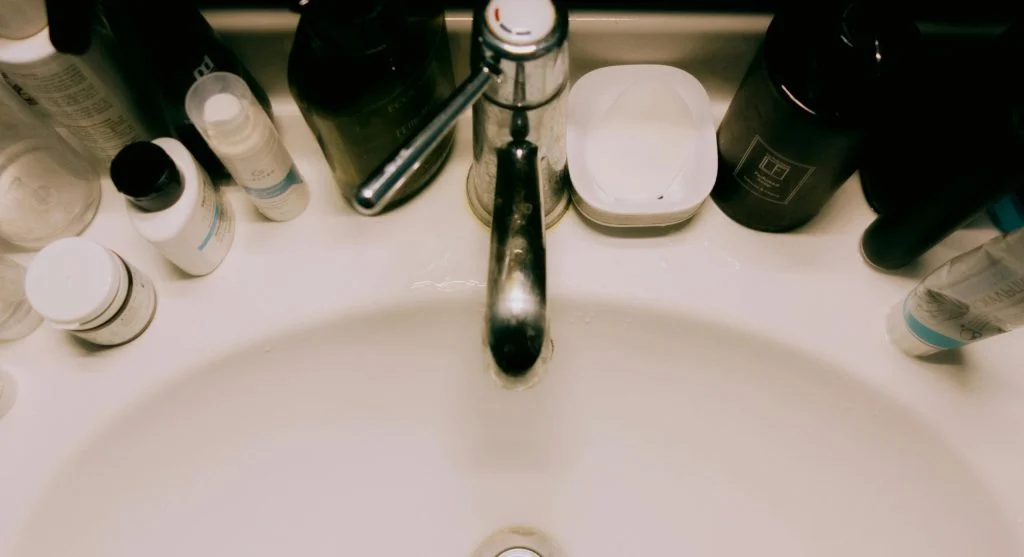
Daily grooming habits often become easier to remember when they connect to actions already built into the day. This might mean starting the routine after brushing teeth, after a shower, or before changing into sleepwear. When a habit has a natural place in the day, it usually needs less effort to begin.
Habit experts often recommend this approach because existing routines create reliable cues. Readers do not have to depend only on memory or motivation when the timing is already built into daily life.
7. Avoid changing products too quickly
Frequent changes can make grooming routines feel unsettled. A new item every few days may create more confusion than clarity, especially when the reader is still trying to keep a basic rhythm. Stability often helps self-care feel easier because the routine becomes familiar enough to trust.
Consumer behavior specialists often note that routines tend to feel calmer when they are not constantly being redesigned. Readers usually benefit from letting a useful system stay steady long enough to become normal.
8. End the day with one small grooming reset
A small evening grooming reset can make the next day feel easier before it even begins. This might mean clearing the counter, placing a fresh towel nearby, checking that tools are ready, or setting the most-used products back in place. The action itself can be very short, but it often protects the whole routine from becoming harder again the next morning.
Home and habit experts often explain that small resets help daily systems stay usable. The routine does not need to be rebuilt from scratch when the setup has already been quietly prepared.
How these daily grooming habits support the whole week
These habits work because they reduce repeated friction. The routine becomes easier to begin, easier to follow, and easier to finish without too much extra thought. Over time, this usually helps readers keep self-care going even when work, errands, and low-energy evenings make the week feel heavier.
For many readers, daily grooming habits become most valuable not when life is perfectly calm, but when the routine still holds together during ordinary pressure. That is often what makes a self-care system truly useful.
Frequently Asked Questions
Q: What are daily grooming habits?
A: Daily grooming habits are small repeated self-care actions that help maintain a clean, neat, and manageable routine through the week. They often include simple product use, tool care, and steady routine order.
Q: Why do daily grooming habits make self-care easier?
A: Daily grooming habits make self-care easier because they reduce decision fatigue and build consistency. Small repeated actions usually feel easier to keep than larger, less regular routines.
Q: What is the best way to keep grooming manageable on busy days?
A: One of the best ways is to keep a shorter version of the routine ready, keep essential items visible, and make sure the tools are already clean and easy to use.
Q: Do grooming habits need many products to work well?
A: No. Many grooming habits work best with only a few reliable products and strong routine basics. Simplicity often makes self-care easier to repeat.
Key Takeaway
Daily grooming habits can make self-care feel more manageable all week when they stay simple, repeatable, and practical enough for real life. Clean tools, a clear setup, and a flexible routine usually support better consistency than a more crowded system. For many readers, the best grooming habits are the ones that keep working long after the week becomes busy.

Related Posts

Why One Small End-of-Routine Reset Zone Can Make Daily Grooming Feel Cleaner and Easier the Next Morning

Why One Steady Hand-Level Routine Can Make Daily Grooming Feel More Controlled and Less Distracting