8 Small Home Habits That Can Make Busy Weeks Feel Easier to Handle
Small home habits often matter most during the weeks that feel too full from the start. Many readers do not need a perfect home routine to get through a busy stretch. They need a few repeatable habits that reduce daily friction and help the home stay usable even when the schedule feels heavy.
Home organizers, behavior specialists, and productivity coaches often explain that busy weeks feel easier when the home supports the day instead of adding more stress. A few small home habits can make mornings smoother, evenings calmer, and everyday tasks easier to manage without asking for too much time or effort.
Why small home habits often work better than bigger plans
Large systems can sound impressive, but they often become hard to keep when work, errands, and fatigue start building. Small home habits usually work better because they fit inside ordinary life. They ask for less time, less energy, and less perfect timing. That often makes them more realistic and more useful over time.
Habit experts often note that the routines readers keep are rarely the biggest ones. They are usually the habits that stay possible even on rushed mornings and tiring evenings.
1. Put daily essentials in the same place every time
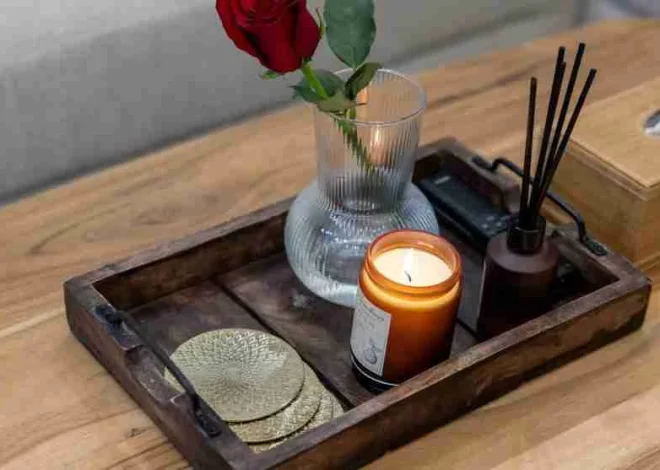
One of the most useful home habits is giving keys, bags, wallets, and other everyday items one dependable place. This reduces searching, lowers frustration, and helps the day begin or end with less confusion. Even a small tray or shelf near the door can make a real difference.
Professional organizers often explain that repeated item loss is not always a memory problem. It is often a systems problem. A fixed place usually solves much more than readers expect.
2. Clear one surface before the day ends
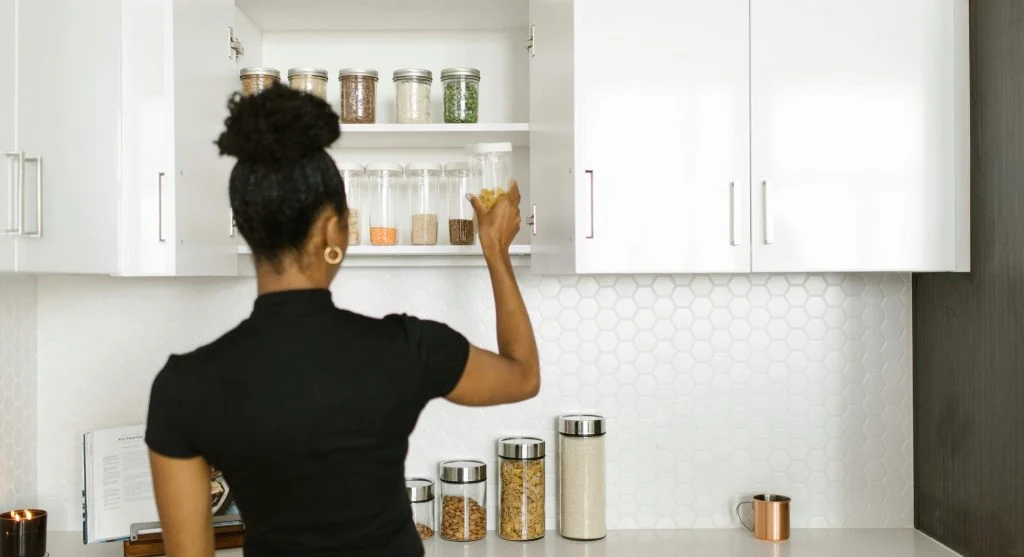
Busy weeks often feel heavier when counters, tables, or desks become too cluttered to use easily. One of the strongest small home habits is clearing just one important surface before bed. This could be the kitchen counter, dining table, or work desk. The goal is not cleaning the whole room. It is protecting one space that will matter again tomorrow.
Home organization experts often note that a single clear surface can change how the whole room feels. It creates one usable area that helps the next day begin more smoothly.
3. Keep one short written plan visible
A packed week often feels more stressful when everything stays in the mind at once. A short visible plan can help give the day more shape. This does not need to be a long list. A few main tasks or reminders placed somewhere easy to see can often create enough structure to reduce mental pressure.
Productivity specialists often explain that shorter plans tend to work better during busy stretches because they guide attention without adding more overwhelm.
4. Reset the kitchen or entryway in five minutes
Some home areas affect daily life more than others. The kitchen and entryway often shape the tone of the whole day because they are used repeatedly. A five-minute reset in one of these spaces can help restore order without turning into a major chore. Putting away dishes, straightening shoes, or returning bags to their places often does enough.
Behavior experts often explain that short resets work because they reduce repeated friction. These spaces become easier to move through again almost immediately.
5. Prepare one thing for tomorrow before sleeping
One of the simplest small home habits is doing one useful task for the next day before going to bed. This might mean setting out clothes, packing a bag, checking the calendar, or filling a water bottle. The task may look minor, but it often reduces the exact kind of morning stress that builds during busy weeks.
Time-management coaches often note that calmer mornings usually begin the night before. Small evening preparation often has more value than readers realize.
6. Keep the most-used tools easy to reach
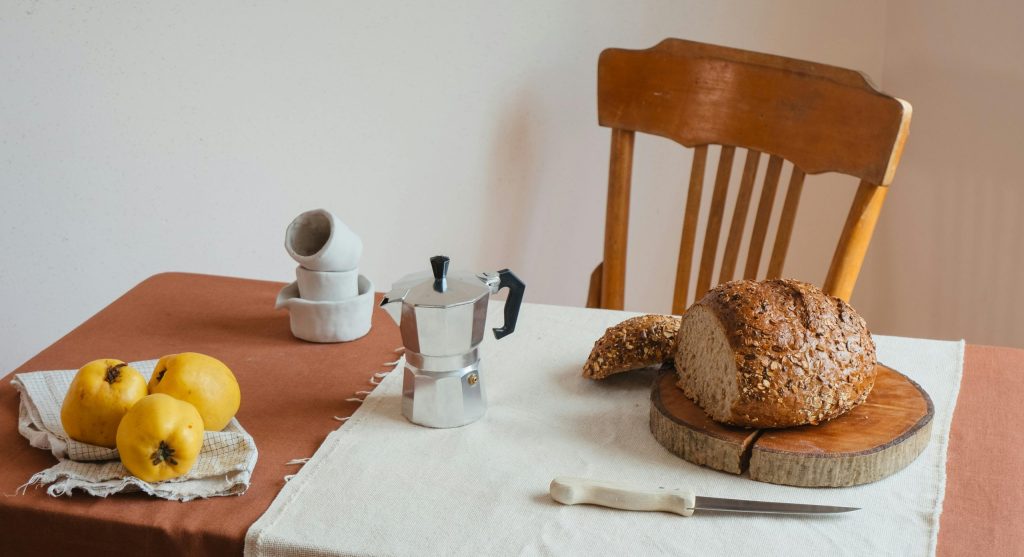
Busy weeks become harder when basic items are always buried, mixed together, or difficult to grab quickly. Keeping chargers, notebooks, work tools, cleaning wipes, or kitchen basics within easy reach can remove a surprising amount of daily stress. This is especially useful for readers whose routines move quickly from one task to another.
Organizers often explain that easy access supports habit consistency. Readers are more likely to use helpful tools when those tools are not hidden behind extra effort.
7. Use one calm moment to reset mentally
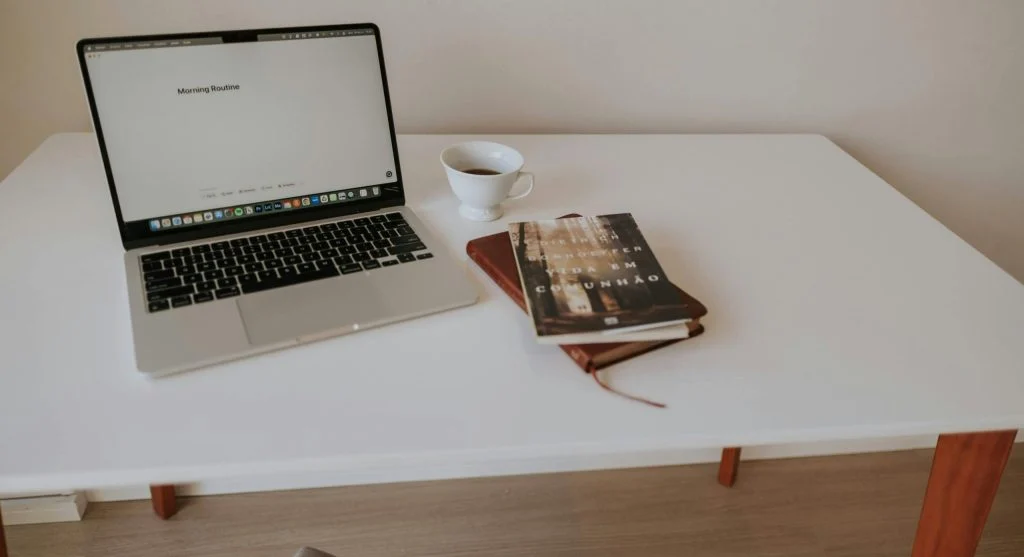
Not every useful home habit needs to involve cleaning or organizing. One quiet moment to sit down, review the day, or look ahead can help the home feel calmer too. A cup of tea, a short pause at the table, or two minutes with a notebook may help readers feel more settled before the next task begins.
Routine specialists often note that homes feel more supportive when they include at least one moment of pause. This kind of habit can change the pace of a busy week in a subtle but meaningful way.
8. Let “good enough” count on busy weeks
One of the most important small home habits is allowing practical progress to count even when the result is not perfect. During busy weeks, a half-reset room, a cleared counter, or a short plan may already be enough. Readers often lose useful routines by expecting too much from them. A home habit that stays possible is usually more valuable than one that looks ideal but disappears quickly.
Behavior experts often explain that consistency grows when routines feel realistic. A good-enough habit often lasts longer than a perfect one that cannot survive normal pressure.
How these small home habits support calmer weeks
These habits work because they reduce repeated friction without asking for major effort. They help readers find what they need faster, move through key spaces more easily, and begin the next task with less resistance. Over time, that often makes the whole week feel more manageable even when the schedule stays busy.
For many readers, a calmer week does not come from dramatic change. It often comes from a few simple home habits repeated often enough to keep daily life from becoming harder than it needs to be.
Frequently Asked Questions
Q: What are small home habits?
A: Small home habits are short repeated actions that make daily life easier, such as clearing one surface, putting essentials in one place, or preparing one thing for tomorrow.
Q: Why do small home habits help during busy weeks?
A: Small home habits help during busy weeks because they reduce repeated friction without asking for too much time or energy. They keep important parts of home life manageable.
Q: Which home habits make the biggest difference first?
A: Habits that affect key daily spaces often make the biggest difference first. Entryways, kitchen counters, desks, and evening preparation routines are strong places to begin.
Q: Do home routines need to be perfect to work?
A: No. Home routines usually work best when they are realistic enough to repeat. A good-enough habit often provides more lasting value than a perfect one that is hard to keep.
Key Takeaway
Small home habits can make busy weeks feel easier to handle because they reduce the repeated stress points that build up across ordinary days. A few short routines in the right places often do more than larger systems that are hard to maintain. For many readers, the most useful home habits are the ones simple enough to keep even when life feels full.