How to Spot Fashion Mistakes Before They Change the Whole Outfit
Fashion mistakes are often easier to prevent than to fix later in the day. Many readers know what it feels like to leave home in an outfit that seemed fine at first, only to realize later that something feels off. The shirt may sit awkwardly, the shoes may not match the rest of the look, or the accessories may feel heavier than the outfit needs.
Stylists, wardrobe planners, and fashion editors often explain that the strongest outfits usually depend on a few simple checks before leaving home. A polished outfit does not require perfection. It usually comes from understanding fit, balance, color, and finishing details more clearly.
Why Fashion Mistakes Often Go Unnoticed at First
Many outfit problems are not obvious when each clothing piece is viewed on its own. A pair of trousers may look fine on the hanger, and the same may be true for the top, jacket, shoes, and accessories. The issue often appears only after everything is worn together. This is why fashion mistakes can feel surprising later in the day.
Style professionals often note that outfits should be judged as a whole, not piece by piece. The overall balance matters more than whether each item looks good alone. Learning to check the full look can prevent many small styling issues before they affect the day.
Step 1: Check Fit Before Thinking About Anything Else
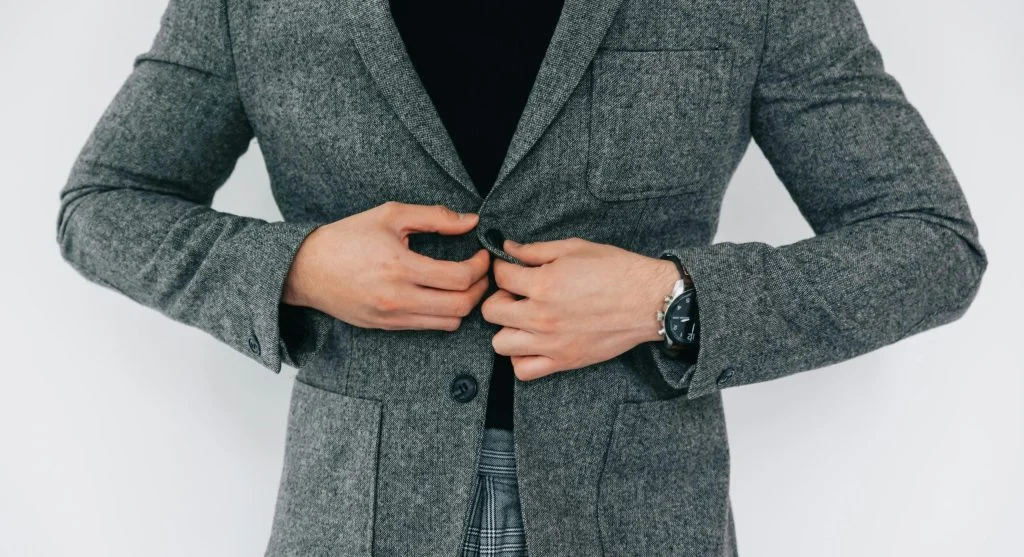
Fit is one of the most common sources of fashion mistakes because it affects the full outfit right away. A shirt that pulls across the chest, trousers that bunch heavily at the ankle, or a jacket that sits poorly at the shoulders can weaken the whole look before shoes or accessories are even considered.
Tailoring professionals often explain that good fit does not mean tight clothing. It means clean lines, comfortable movement, and proportions that support the body well. A quick mirror check for sleeves, hems, shoulder lines, and trouser length can prevent a lot of outfit frustration later.
Credit: PNW Production / Pexels
Step 2: Check Whether the Outfit Has Clear Balance
Outfit balance often decides whether clothing feels polished or slightly awkward. Loose clothing from top to bottom may create too much visual weight, while fitted clothing from top to bottom may feel too sharp. Many fashion mistakes happen when the shape of the outfit becomes too one-sided.
Stylists often recommend looking for contrast in a controlled way. A fuller trouser may work better with a cleaner top line. A relaxed knit may pair more successfully with straighter denim or a more structured lower half. This kind of balance helps the eye understand the outfit more clearly.
Step 3: Make Sure the Shoes Support the Look
Shoes often influence the outfit more than readers expect. One of the most common fashion mistakes is choosing footwear that changes the tone of the look in the wrong direction. A shoe that feels too casual, too heavy, or too formal can weaken an otherwise strong outfit.
Footwear specialists often note that shoes should match not only the clothing but also the purpose of the day. The right pair should support movement, weather, and outfit mood at the same time. If the shoes feel disconnected, the full look may feel less settled.
Step 4: Check if One Detail Is Competing With Everything Else
Many outfits only need one noticeable detail. This could be a coat, a bag, a pair of shoes, a color accent, or a piece of jewelry. Fashion mistakes often happen when too many strong elements appear together and compete for attention.
Fashion editors often suggest asking one simple question: what is the main focus of this outfit? If the answer feels unclear, the look may be carrying too many visible details. Removing one item often improves the outfit faster than adding another.
Step 5: Review the Color Connection Across the Outfit
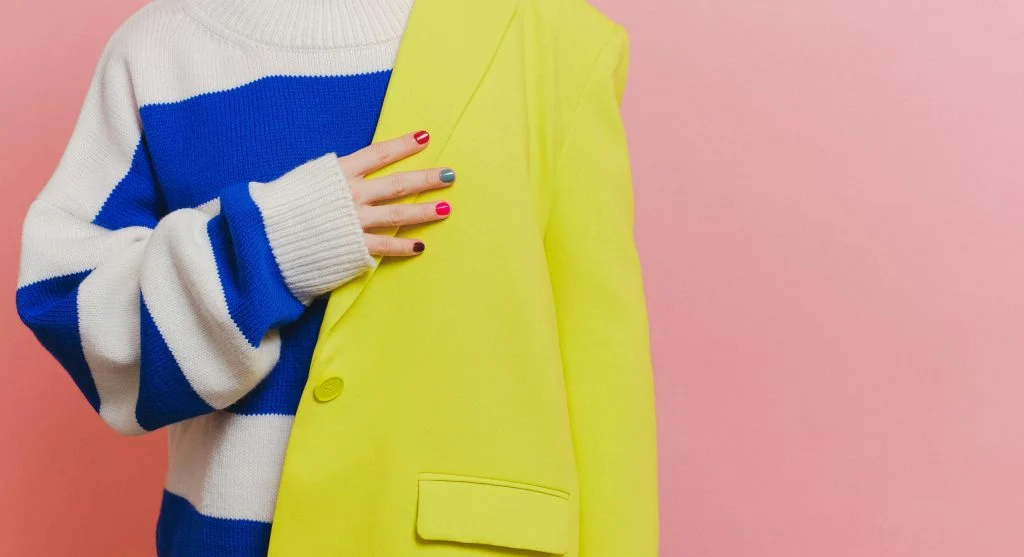
Color can lift an outfit, but it can also create confusion when shades do not connect well. One of the easier fashion mistakes to miss is a color combination that feels scattered instead of deliberate. This does not mean color should be avoided. It means the outfit should still feel visually connected.
Wardrobe consultants often recommend checking whether the main colors support each other before adding accents. Calm base shades with one clear accent often help the outfit stay polished and easier to repeat later.
Credit: Anna Shvets / Pexels
Step 6: Check the Condition of the Clothing and Accessories
Some fashion mistakes come from maintenance rather than styling. Wrinkled fabric, stretched knitwear, dull shoes, loose threads, or a worn-out bag can make the outfit feel less polished even when the outfit formula is strong. Clothing condition is often the detail readers forget to review.
Garment care specialists often explain that good maintenance supports style more than many people realize. Steaming, brushing, cleaning, and basic repairs often do more for a wardrobe than adding new items. A well-kept simple outfit often appears stronger than a trend-heavy outfit in poor condition.
Step 7: Look at the Outfit From a Distance, Not Only Up Close
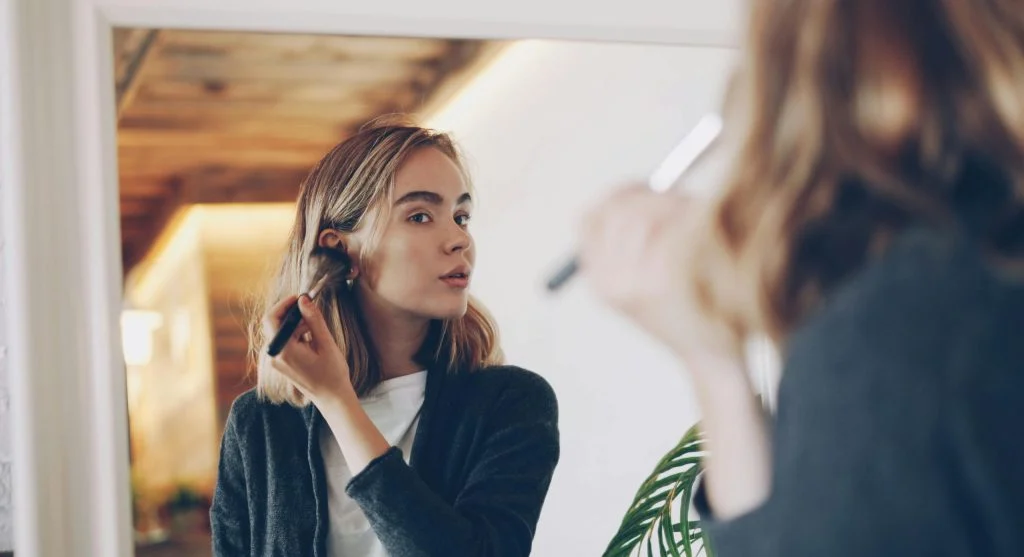
Many people check outfits too closely and miss how the full look reads from a normal distance. Taking a step back from the mirror often helps readers see proportion, layering, and shoe balance more clearly. This is also where a distracting accessory or awkward hem can become obvious.
Stylists often suggest viewing the outfit from both close and full-length angles. Different problems appear at different distances. A strong final check usually needs both.
Step 8: Remove One Thing Before Adding Something Else
One of the best ways to avoid fashion mistakes is to simplify before trying to improve the look with more items. If the outfit already has a clear structure, one noticeable detail, and supportive shoes, adding more may weaken the balance instead of helping it. Editing is often what creates polish.
Style professionals frequently note that polished outfits are often the result of restraint. A bag, a watch, a pair of earrings, or a jacket may already be enough. The final step is often deciding what the outfit does not need.
How These Checks Improve Outfit Confidence Over Time
The more often readers use these checks, the easier they become. Over time, outfit mistakes become easier to spot before leaving home instead of hours later. This can reduce frustration and help daily dressing feel calmer, quicker, and more dependable.
Wardrobe experts often explain that outfit confidence grows from understanding patterns. Once readers notice which fit issues, shoe choices, or accessory habits keep causing trouble, they can make better choices more quickly. Small repeated checks often create stronger style than dramatic changes do.
Frequently Asked Questions
Q: What are the most common fashion mistakes before leaving home?
A: The most common fashion mistakes often involve poor fit, weak outfit balance, disconnected shoes, too many strong details, or clothing in poor condition. These issues are easier to catch with a quick full-outfit check.
Q: Why do shoes affect the whole outfit so much?
A: Shoes affect the whole outfit because they influence both visual balance and practical use. The wrong shoe can shift the tone of the outfit in a way that feels off even if the rest of the clothes work well.
Q: How can an outfit look more polished quickly?
A: An outfit often looks more polished quickly when the fit is clear, the colors connect, the shoes support the outfit, and one distracting detail is removed. Simpler finishing choices often help a lot.
Q: Do fashion mistakes always require buying new clothes?
A: No. Many fashion mistakes can be improved through better fit checks, clearer outfit balance, cleaner maintenance, and smarter editing. Small adjustments often make a bigger difference than new purchases.
Key Takeaway
Fashion mistakes are often small, but they can affect an entire outfit when they are overlooked. Fit, balance, shoes, color coordination, and the condition of clothing all play a role in whether a look feels polished or unfinished. For many readers, the easiest way to avoid fashion mistakes is to do a few simple checks before leaving home and let careful editing shape the final outfit.