
8 Wardrobe Habits That Can Make Daily Outfit Choices Feel Much Simpler
Wardrobe habits often shape daily dressing more than readers expect. Many people assume difficult outfit choices come from not having enough clothes. In real life, the bigger issue is often how the closet is used. A wardrobe may hold plenty of items and still feel stressful if the habits around it make dressing slower, less clear, and harder to repeat from one day to the next.
Closet organizers, stylists, and wardrobe planners often explain that a practical wardrobe works best when it supports repeated use instead of constant guesswork. Small habits around visibility, outfit structure, color connection, and shoe choice can make daily outfit choices feel much simpler without requiring a major closet reset.
Why wardrobe habits matter more than many people think
Most readers do not get dressed by looking at the whole closet carefully every morning. They rely on quick choices, familiar patterns, and the clothing that feels easiest to trust. That means wardrobe habits quietly shape which pieces get worn, which items stay ignored, and how easy outfit planning feels under time pressure.
Wardrobe experts often note that a closet should not only hold clothing. It should guide good decisions. When the habits around the wardrobe are stronger, the same clothes often become much easier to use.
1. Keeping the most-used pieces in the clearest view
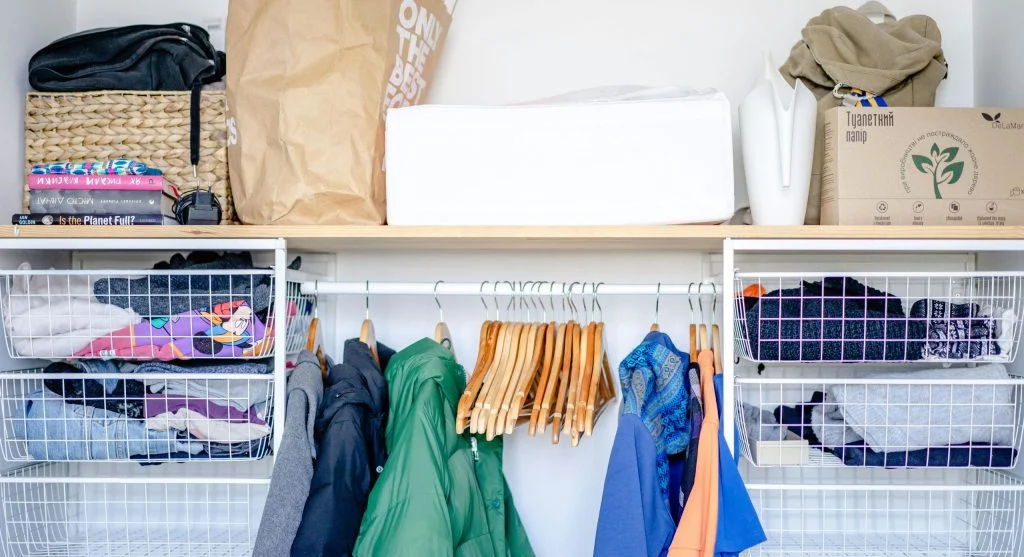
One of the strongest wardrobe habits is placing dependable pieces where they can be seen quickly. Shirts, trousers, knitwear, denim, useful layers, and everyday shoes often do the most work across the week. When these items are buried behind occasional pieces, the closet becomes harder to use for no good reason.
Professional organizers often explain that visibility supports repeat wear. Readers usually wear what they can reach without much effort. When strong pieces stay in view, daily outfit choices often become much faster.
2. Repeating outfit formulas instead of starting from zero
Many stylish wardrobes rely on familiar outfit formulas. A shirt plus trousers plus loafers, a knit plus denim plus sneakers, or a dress plus jacket plus flats can all become dependable combinations. These formulas do not remove personality. They reduce the number of choices that have to be made under pressure.
Stylists often explain that daily dressing becomes easier when readers stop expecting every outfit to feel completely new. Reliable outfit patterns often make mornings calmer and the wardrobe easier to trust.
3. Choosing clothing that works in at least three outfits
A useful wardrobe habit is judging clothing by whether it supports several real combinations. A piece may look attractive by itself and still make daily dressing harder if it only works in one narrow outfit. Clothing that fits at least three realistic looks often provides much more value in daily life.
Closet planners often recommend this habit because it keeps the wardrobe focused on real use rather than isolated appeal. Pieces that repeat easily usually become the strongest parts of the closet.
4. Letting repeat wear count as success
Some readers worry that wearing the same strong items too often means the wardrobe is too limited. In practice, repeat wear is often one of the clearest signs that a closet is working well. A trouser used several times in a week or a jacket worn across multiple settings is usually proving its value.
Wardrobe consultants often note that repeat wear is not a problem to hide. It often shows that the reader has identified clothing that truly supports daily life and deserves a central place in the wardrobe.
5. Keeping shoes practical enough for real days
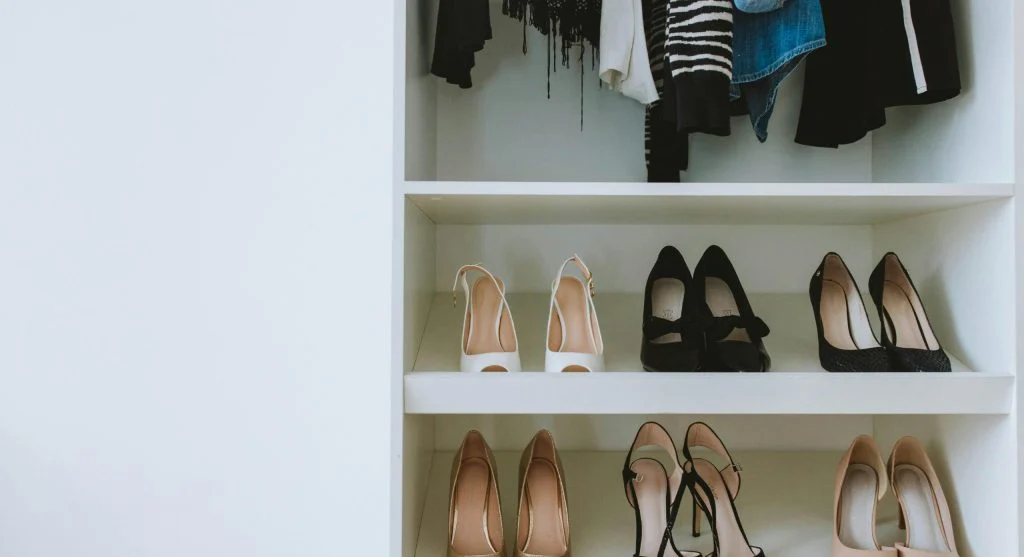
Shoes often decide whether the outfit still works after several hours. A useful wardrobe habit is giving most attention to the shoes that support walking, weather, and several outfit moods at once. Loafers, clean sneakers, flats, and low boots often become stronger choices than shoes that only fit one exact look.
Footwear specialists often explain that daily outfit choices become easier when a few dependable shoes are doing most of the work. They help connect the closet and lower the chance of outfits falling apart at the last step.
6. Using a connected color base
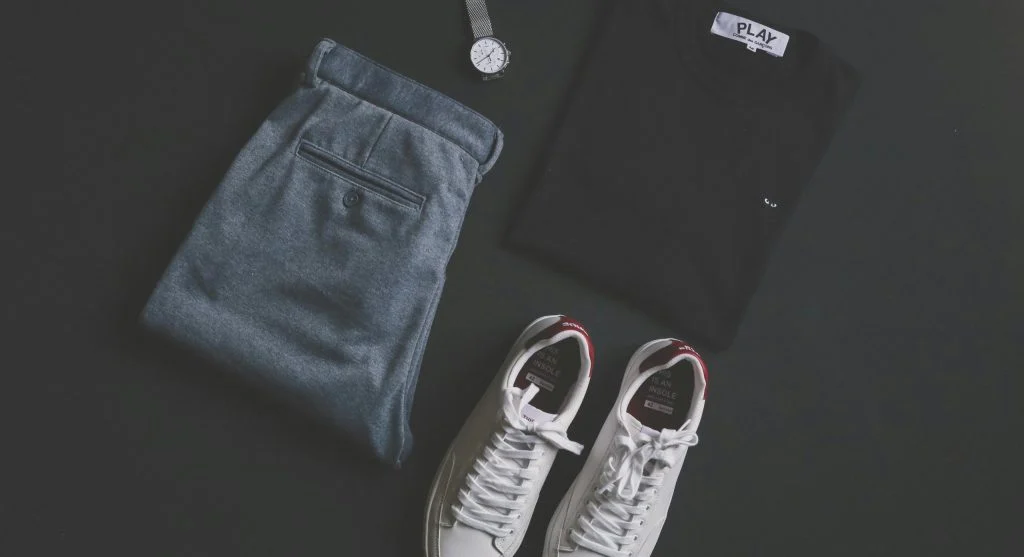
Color can either make the wardrobe feel easier or much harder. A connected palette of navy, gray, white, black, beige, olive, and denim blue often helps because more tops, bottoms, layers, and shoes mix naturally. This does not mean all color should disappear. It means the wardrobe foundation should already work smoothly before stronger accents are added.
Wardrobe experts often explain that connected color is one of the simplest ways to reduce daily dressing stress. It helps more outfits make visual sense without too much effort.
7. Reviewing what caused trouble during the week
A very useful wardrobe habit is noticing what felt difficult. Maybe one pair of trousers never looked right with any shoes. Maybe one jacket stayed hidden because it felt awkward to layer. Maybe a certain color kept interrupting the rest of the closet. These small observations often reveal what the wardrobe needs more clearly than shopping ideas do.
Closet organizers often recommend short weekly reflection because it keeps the wardrobe tied to real use. A closet becomes easier to improve when readers pay attention to what keeps causing friction.
8. Doing a small weekly reset instead of waiting for a big one
Many wardrobes feel chaotic because they are left alone until the mess becomes too visible to ignore. A better habit is a short weekly reset. This might mean returning useful pieces to the front, checking what was worn most, and removing clutter from the main working area. Small resets often protect the closet from becoming stressful again.
Behavior specialists often note that a little maintenance usually works better than one dramatic cleanup followed by weeks of neglect. This is often what keeps daily outfit choices feeling clear over time.
How these wardrobe habits make mornings easier
These habits reduce the number of poor choices the wardrobe presents each morning. The strongest pieces become easier to see, the same good combinations become easier to repeat, and the weakest parts of the closet become easier to notice and correct. Over time, this often makes the wardrobe feel more supportive and far less tiring to use.
For many readers, that is what practical style really looks like. It is not about a perfect closet. It is about habits that make daily outfit choices simpler and more dependable across ordinary weeks.
Frequently Asked Questions
Q: What are wardrobe habits?
A: Wardrobe habits are the repeated ways readers organize, choose, and wear clothing. These habits shape how easy daily outfit choices feel and which pieces get used most often.
Q: Why do wardrobe habits matter for daily outfit choices?
A: Wardrobe habits matter because they affect visibility, repeat wear, shoe choice, and outfit formulas. Strong habits often make the closet easier to use without requiring more clothing.
Q: What is the best wardrobe habit to start with?
A: One of the best wardrobe habits to start with is keeping the most-used clothing easy to see and easy to reach. That often improves daily dressing very quickly.
Q: Can wardrobe habits reduce morning stress?
A: Yes. Good wardrobe habits can reduce morning stress by lowering decision fatigue, improving outfit structure, and making strong pieces easier to repeat throughout the week.
Key Takeaway
Wardrobe habits often make daily outfit choices much simpler because they improve how the closet works from one day to the next. Better visibility, repeat wear, connected colors, and useful shoes often reduce more stress than extra clothing ever can. For many readers, stronger daily style begins with habits that make good outfit choices easier to repeat.

Related Posts

Why One Small Second-Choice Outfit Set Can Make Busy Mornings Feel Less Risky and More Manageable

Why One Small Always-Works Outfit Slot Can Make Daily Dressing Feel Faster and More Reliable