Why Light Layers Often Make Seasonal Looks Feel More Useful in Real Life
Seasonal looks often feel hardest when the day changes several times before it ends. A cool morning may turn warm by noon, then feel breezy again in the evening. In those conditions, readers often discover that the most useful outfits are not the heaviest ones or the most dramatic ones. They are often the ones built with light layers that can adjust without creating extra stress.
Fashion editors, wardrobe planners, and retail stylists often explain that transitional dressing works best when the outfit can shift with real life. Light layers usually support that better than bulky pieces because they are easier to wear, easier to remove, and easier to carry when the weather changes direction during the day.
Why seasonal looks often fail when layers feel too heavy
Many readers try to solve changing weather by adding more clothing too early. That may feel safe at the start of the day, but it can quickly make the outfit feel uncomfortable later. A thick layer may become too warm indoors, too bulky to carry, or too limiting once the temperature rises. Seasonal looks often feel easier when the clothing leaves room for the day to change.
Wardrobe experts often note that useful transitional outfits usually depend on flexibility. The reader often needs clothing that supports more than one weather moment, not clothing that only fits the first hour outside.
How light layers improve real-life outfit comfort
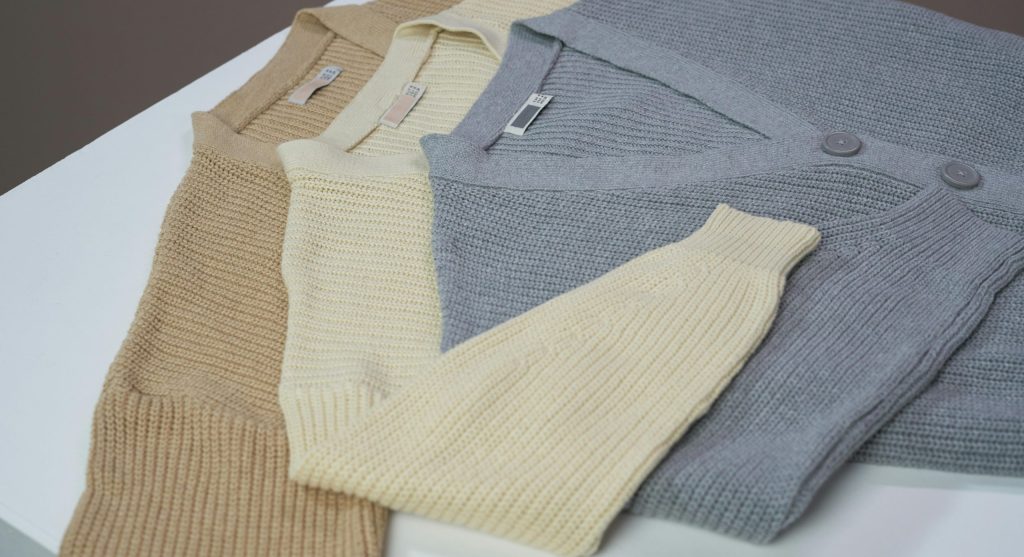
Light layers usually help because they create options without adding too much weight. A cardigan, denim jacket, relaxed blazer, light trench, or overshirt can all add warmth while still keeping the outfit manageable. These pieces are often easier to remove than thicker outerwear, and they usually sit better over basic clothing underneath.
Stylists often explain that comfort is one of the quiet reasons some seasonal looks get repeated and others do not. When the layer feels practical through walking, sitting, and temperature shifts, the whole outfit becomes much more useful in daily life.
Why a strong base outfit matters in transitional dressing
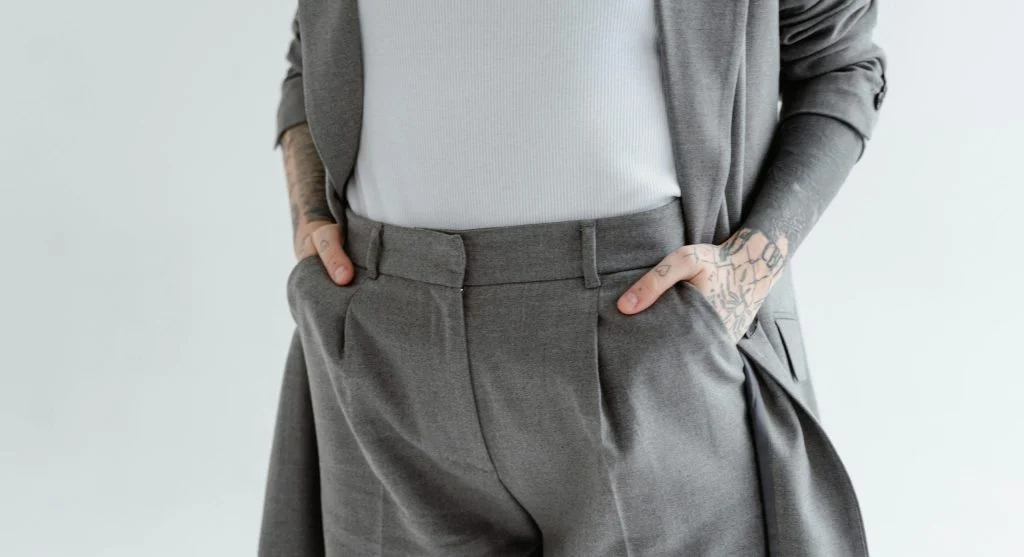
Light layers work best when the outfit underneath already makes sense. A knit top with straight trousers, a shirt with denim, or a dress with practical flats can all form a strong base. If the outer layer comes off later, the outfit should still feel complete. This is one of the most useful parts of seasonal dressing because it keeps the reader from depending too much on one piece.
Fashion editors often recommend starting with a base outfit that already fits the day well. That way, the layer adds flexibility instead of carrying all the visual responsibility of the look.
How light layers help seasonal looks stay polished
Some readers worry that light layers may make an outfit feel unfinished. In practice, they often do the opposite when chosen well. A light trench can sharpen basics. A cardigan can soften a more structured outfit. A relaxed blazer can make a simple outfit feel more complete without pushing it too far into formal dressing.
Style professionals often explain that layers do not have to be heavy to create polish. They simply need enough shape to support the rest of the outfit clearly.
Why lighter fabrics make all-day outfits easier to repeat
Fabric weight matters because it changes how the outfit feels after several hours. Fine knitwear, cotton shirts, soft tailoring, and lighter jackets often make seasonal looks easier to repeat because they create less heat and less bulk. These materials also tend to sit more naturally over other pieces, which helps the outfit feel less restricted through the day.
Retail stylists often note that real-life wear depends on comfort over time. Clothing that feels fine at 8 a.m. but tiring by afternoon often does not stay in regular rotation. Lighter fabrics often solve that problem quietly.
How shoes support light-layer seasonal looks
Shoes help decide whether a seasonal outfit still feels balanced once layers change. Loafers, simple sneakers, flats, and low boots often work well because they can support a mild-weather base outfit and still fit cooler moments later in the day. The right shoe helps the outfit stay believable when the outer layer comes off or when the pace of the day changes.
Footwear specialists often explain that useful seasonal shoes should match both the outfit and the routine. When they do, the outfit feels more complete even as the day shifts around it.
Why connected colors make light layers easier to wear
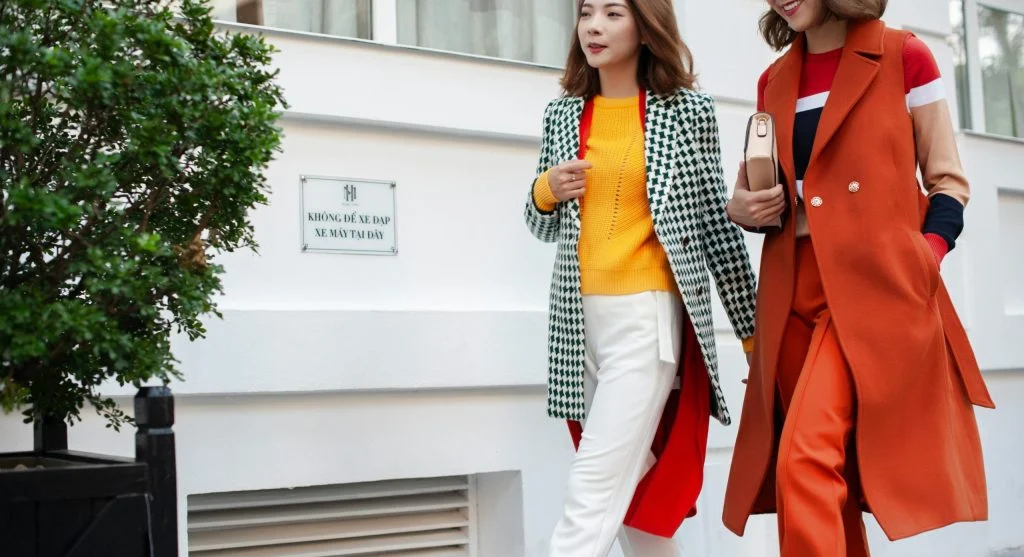
Seasonal looks often show more than one layer at once, so color connection matters. Shades such as navy, beige, cream, gray, olive, soft brown, and denim blue usually make it easier for layers to work together. This also helps the outfit stay clear if one piece is removed later because the visible clothing still belongs together visually.
Wardrobe consultants often note that connected color makes transitional outfits easier to repeat. It reduces the feeling that the outfit only works in one exact version.
How light layers reduce outfit pressure
One of the biggest advantages of light layers is that they let the reader prepare for changing weather without trying to solve everything all at once. The outfit can begin lighter, stay wearable indoors, and still have enough support available when the air changes later. This often makes the whole day feel easier because the outfit does not become a problem that needs constant adjustment.
Behavior around clothing often improves when the outfit feels manageable. Readers are more likely to repeat seasonal looks when they trust those looks to remain useful for longer stretches of the day.
Why light layers often become the most repeated seasonal pieces
Clothing usually repeats when it proves useful, and light layers often do exactly that. They move across workdays, errands, casual outings, and changing forecasts without much trouble. The same blazer may work with trousers one day and denim the next. The same cardigan may support dresses, shirts, or simple knits over several weeks.
For many readers, that is what makes light layers so valuable. They do not simply fill a weather gap. They become part of the daily system that keeps seasonal dressing practical and easier to trust.
Frequently Asked Questions
Q: Why do light layers help seasonal looks feel more useful?
A: Light layers help seasonal looks feel more useful because they are easier to add, remove, and carry through changing weather. They support comfort without making the outfit too heavy.
Q: What are the best light layers for transitional dressing?
A: Useful light layers often include cardigans, denim jackets, relaxed blazers, light trench coats, and overshirts. These pieces usually work across several outfits and several weather shifts.
Q: Do seasonal looks need heavy outerwear to feel complete?
A: No. Many seasonal looks feel more complete with a strong base outfit and one lighter layer that adds flexibility rather than too much bulk.
Q: How can all-day outfits stay comfortable in changing weather?
A: All-day outfits often stay comfortable when they begin with a complete base, use lighter fabrics, include practical shoes, and rely on layers that can be adjusted as the day changes.
Key Takeaway
Light layers often make seasonal looks feel more useful in real life because they create flexibility without making the outfit heavy or difficult to manage. A strong base outfit, lighter fabrics, connected colors, and practical shoes can keep transitional dressing comfortable for much longer. For many readers, the most wearable seasonal looks are the ones that stay ready for the full day instead of only the first hour.