Why Simple Home Routines Often Make Daily Life Feel More Settled
Simple home routines often do more for daily life than bigger systems that look impressive but are hard to maintain. Many readers do not need a full reset of their schedule or home. They need a few small actions that make mornings smoother, evenings calmer, and ordinary tasks easier to manage.
Behavior specialists, home organizers, and productivity coaches often explain that daily life feels more settled when repeated actions reduce friction inside the home. A small routine at the right moment can change how the whole day feels. That is why simple home routines often matter more than complicated plans that ask too much from already busy lives.
Why simple home routines often work better than larger systems
Large systems can look organized on paper, but everyday life rarely follows a perfect plan. Work changes, errands appear, energy drops, and household tasks build up in uneven ways. Simple home routines usually work better because they fit around those realities instead of pretending they do not exist.
Habit experts often note that useful routines are not the ones that look most impressive. They are the ones that readers can repeat during normal weeks without needing ideal timing or constant motivation. A smaller routine often survives because it asks for less while still giving real support.
How home flow affects the whole day
Home flow is often shaped by a few repeated moments. Where keys are left, how the kitchen looks in the morning, whether the desk is usable, and how the evening ends can all affect the mood and speed of the next part of the day. These details may seem small, but they often decide whether life feels steady or scattered.
Home organization experts often explain that the most useful routines usually support the areas touched every day. A clear entryway, a workable counter, and one calm evening habit can often improve daily life more than organizing a rarely used storage shelf.
Why everyday organization should begin with repeated friction
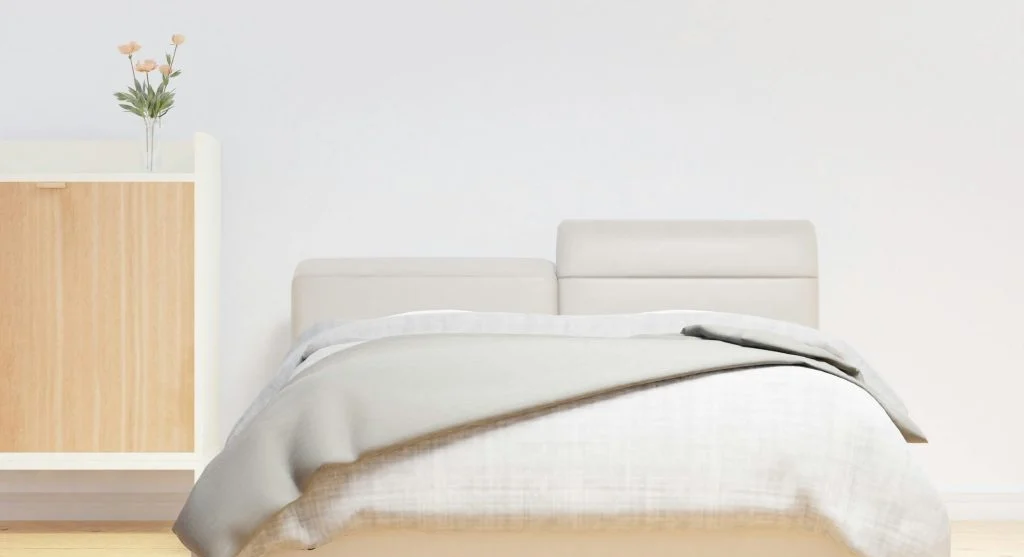
Many readers try to organize the home by focusing on what looks messy first. A more useful starting point is often what feels difficult again and again. This might mean searching for keys, clearing the same counter every night, losing track of small daily items, or starting work with an untidy desk. These repeated points of friction often show exactly where a simple home routine can help most.
Productivity specialists often recommend asking one clear question: what keeps making the day harder than it should be? The answer often reveals the best place to build a small practical routine.
How one morning anchor can make the home feel calmer
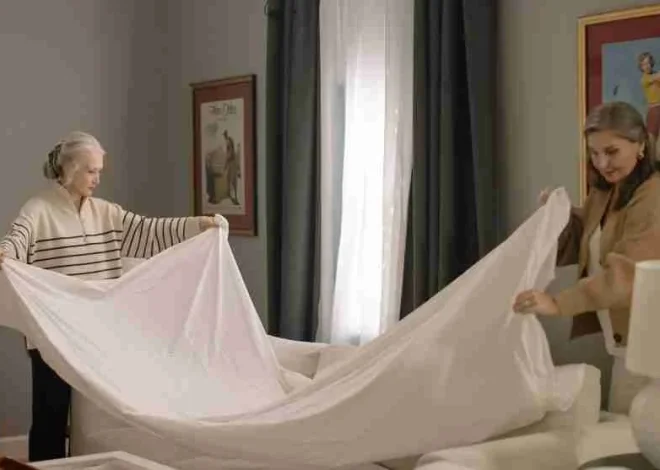
A morning anchor is a repeated action that helps the day begin with more order. This could mean opening the curtains, making the bed, putting dishes away, or preparing one clear space before anything else begins. The action itself may be small, but it gives the home a steadier starting point.
Routine coaches often note that strong mornings do not always need many steps. One useful anchor can reduce the feeling of starting behind and can help the next tasks feel more manageable.
Why short evening resets often matter more than deep cleaning
Many people assume home order depends on large cleaning efforts. In everyday life, short evening resets often matter more. A five-minute tidy, a cleared counter, a bag placed by the door, or a quick return of misplaced items can make the next morning feel much easier. These small resets often protect home flow far better than waiting for one big effort later.
Home organizers often explain that short repeated resets work because they prevent the home from drifting too far off course. The goal is not perfect tidiness. It is keeping the home usable and calm enough for normal life.
How routines help a home feel easier to move through
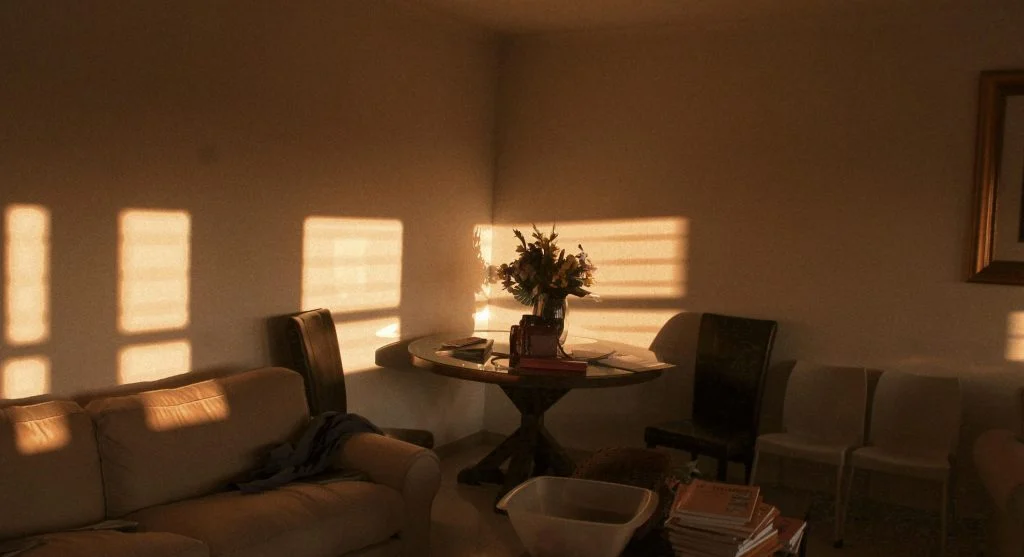
One of the biggest benefits of simple home routines is that they make movement through the day feel smoother. Readers spend less time searching, redoing, and deciding. The home begins to support the day instead of interrupting it. This can make mornings less rushed, work periods more focused, and evenings less tiring.
Behavior experts often explain that smoother routines reduce mental load because the next action becomes easier to see. That kind of clarity often changes daily life more than people expect.
Why simple home routines still need flexibility
Useful routines should support life, not control it. Some days will move differently because of work, guests, illness, errands, or low energy. A strong home routine can bend without disappearing. That often means keeping the habit small enough that it can still happen in a shorter form when the day gets full.
Habit researchers often note that flexible routines last longer because they survive imperfect days. A system that allows smaller versions is often more realistic and more useful over time.
How settled homes often rely on ordinary habits
Homes that feel settled are not always the most styled or most perfect. They are often homes where ordinary habits quietly support the day. Keys have a place. Counters stay usable. Bags are ready. A short evening reset happens often enough. These actions may seem unremarkable, but together they create daily stability.
For many readers, that is what organized living truly looks like. It is not constant effort. It is a home that functions well because a few repeated habits keep it moving in the right direction.
Frequently Asked Questions
Q: What are simple home routines?
A: Simple home routines are small repeated actions that make daily life easier, such as putting essentials in one place, doing a short evening reset, or starting the day with one useful home habit.
Q: Why do simple home routines help daily life feel more settled?
A: Simple home routines help daily life feel more settled because they reduce repeated friction, support home flow, and make ordinary tasks easier to manage without needing large amounts of time.
Q: What is the best place to start with everyday organization?
A: The best place to start is often the area or task that keeps causing repeated stress, such as the entryway, kitchen counter, desk, or evening routine before the next day begins.
Q: Do home routines need to be the same every day?
A: Not always. Good home routines usually stay consistent in purpose, but they can become shorter or simpler on busier days so they remain realistic and easier to repeat.
Key Takeaway
Simple home routines often make daily life feel more settled because they reduce the small points of friction that quietly build stress throughout the day. A few repeated habits in the right places can improve home flow without making life feel overmanaged. For many readers, daily order becomes easier when the home is supported by small routines that are simple enough to keep.